Removing the Disease: Surgery for Cancer

postphx.com – Cancer, a group of diseases characterized by the uncontrolled growth and spread of abnormal cells, remains one of the most formidable challenges in modern medicine. While the treatment landscape for cancer is broad and includes chemotherapy, radiation therapy, immunotherapy, and targeted therapy, surgery remains a cornerstone in the management of many types of cancer. The primary goal of cancer surgery is to remove the tumor and, if possible, surrounding tissue that may contain cancer cells, thereby reducing the tumor burden and improving the patient’s chances of survival.

Types of Cancer Surgery

There are several types of cancer surgery, each with its own objectives:

  1. Curative Surgery: The main goal of curative surgery is to remove all visible cancer from the body. This type of surgery is performed when the cancer is localized and has not spread to other parts of the body.
  2. Debulking Surgery: When a tumor cannot be completely removed, debulking surgery aims to remove as much of the cancer as possible. This can help reduce symptoms and make other treatments, such as chemotherapy or radiation therapy, more effective.
  3. Diagnostic Surgery: Sometimes, a biopsy is performed to diagnose cancer. This involves removing a small sample of tissue for examination under a microscope.
  4. Preventive (Prophylactic) Surgery: In certain high-risk individuals, preventive surgery may be recommended to remove tissue that is at high risk of becoming cancerous. For example, women with the BRCA1 or BRCA2 gene mutations may choose to undergo mastectomy or oophorectomy to reduce their risk of breast or ovarian cancer.

Advances in Surgical Techniques

Over the years, surgical techniques have evolved significantly, offering patients less invasive options with reduced recovery times and fewer complications.

  • Minimally Invasive Surgery: This includes laparoscopic and robotic-assisted surgeries, which use small incisions and specialized instruments. These techniques are associated with less pain, scarring, and a quicker recovery compared to traditional open surgery.
  • Image-Guided Surgery: The use of real-time imaging during surgery helps surgeons more accurately locate and remove tumors, particularly in sensitive areas such as the brain or near vital organs.
  • Precision Surgery: Advances in genomics and molecular profiling have led to more personalized surgical approaches, where the treatment plan is tailored to the genetic makeup of the patient’s cancer.

Challenges and Considerations

While surgery can be highly effective in treating cancer, it is not without risks. Complications can include infection, bleeding, blood clots, and damage to surrounding tissues or organs. Moreover, the success of surgery depends on the type, stage, and location of the cancer, as well as the patient’s overall health and preferences.

Surgeons must carefully balance the need to remove as much cancer as possible with the preservation of normal tissue function. For instance, in the case of head and neck cancers, surgery must be meticulously planned to avoid damaging structures critical for speech and swallowing.

Recovery and Follow-up

Post-surgery, patients typically require a period of recovery, which can vary depending on the extent of the surgery. Follow-up care is crucial to monitor for any signs of cancer recurrence and to manage any long-term side effects or complications. Many patients will also undergo additional treatments such as chemotherapy or radiation therapy, especially if the cancer has spread or there is a high risk of recurrence.

Conclusion

Surgery plays a critical role in the treatment of cancer, offering a means to physically remove tumors and potentially cure the disease. Advances in surgical techniques and technologies continue to improve outcomes for cancer patients, making surgery less invasive and more precise. However, the decision to undergo surgery should be made in consultation with a multidisciplinary team of cancer specialists, considering the individual’s specific circumstances and preferences. With ongoing research and innovation, the future of cancer surgery holds promise for even greater success in removing the disease and improving the quality of life for cancer patients.


Cultivating Dreams: The Garden of Childhood

postphx.com – In the heart of every child lies a garden, a vibrant, untamed expanse where dreams and imagination flourish. This garden is not bound by the physical realm; it is a place of infinite possibility, where the seeds of creativity, curiosity, and wonder are sown. As adults, we often look back on our childhood with a sense of nostalgia, remembering the vivid dreams that once seemed within reach. The Garden of Childhood: Cultivating Dreams is an exploration of this sacred space, a reminder of the importance of nurturing the dreams of our youth.

The Seeds of Imagination

Every child is born with an innate sense of wonder, a curiosity about the world that drives them to explore, to ask questions, and to dream. These are the seeds from which the garden of childhood grows. It is a place where the boundaries between the real and the imaginary blur, where a cardboard box can become a spaceship, and a tree branch, a magic wand. The seeds of imagination, when watered with encouragement and sunlit by freedom, grow into towering trees that provide shade and comfort in the garden of our minds.

The Soil of Play

Play is the soil in which the seeds of imagination take root. It is through play that children learn, grow, and express themselves. The garden of childhood is rich with the soil of play, a fertile ground where creativity and problem-solving skills are cultivated. Whether it’s building a fort, engaging in a game of pretend, or simply exploring the natural world, play is essential to the development of the child’s garden. It is here that children learn to navigate the complexities of the world, to collaborate with others, and to find joy in the simple things.

The Water of Emotion

Emotions are the water that nourishes the garden of childhood. It is through experiencing a wide range of emotions that children learn to understand themselves and the world around them. The garden is a place where it’s safe to feel, to express joy, sadness, anger, and love. It is in the nurturing of these emotions that children learn empathy, resilience, and the importance of emotional intelligence. The garden teaches children that it’s okay to feel deeply, to be vulnerable, and to seek comfort in the beauty of the world.

The Sunlight of Encouragement

Encouragement is the sunlight that warms the garden of childhood, providing the energy needed for dreams to grow. It is the words of praise, the nods of approval, and the gentle guidance that help children to believe in themselves and their dreams. The garden thrives under the warmth of encouragement, a reminder that every dream, no matter how big or small, is worth pursuing. It is here that children learn the value of hard work, perseverance, and the pursuit of their passions.

The Harvest of Dreams

The garden of childhood is a place of growth, a space where dreams are nurtured and allowed to flourish. As children play, imagine, feel, and are encouraged, they harvest the fruits of their garden—a lifetime of memories, lessons, and dreams. These are the treasures that they carry with them into adulthood, a reminder of the magic of childhood and the power of dreams.

Cultivating the Garden

As adults, it is our responsibility to cultivate the garden of childhood, to provide the soil, water, sunlight, and encouragement needed for dreams to grow. It is a delicate task, requiring patience, understanding, and a willingness to enter the world of the child. By nurturing the garden of childhood, we not only help children to grow into well-rounded individuals but also keep alive the dreams and wonder of our own youth.

The Garden of Childhood: Cultivating Dreams is a call to action, a reminder of the importance of preserving the magic of childhood. It is a celebration of the dreams that lie within us all, a testament to the enduring power of imagination, play, emotion, and encouragement. Let us tend to the garden of childhood with care, for in doing so, we cultivate a world rich with dreams and possibilities.

Masters of the Three-Dimensional: Sculpting the Extraordinary

postphx.com – In the vast expanse of the art world, where creativity knows no bounds, the art of sculpting stands out as a testament to human ingenuity and skill. Sculptors, the masters of the three-dimensional, have the unique ability to breathe life into inanimate materials, transforming them into extraordinary works that captivate the senses and stir the soul. From ancient civilizations to the modern era, these artists have pushed the boundaries of their medium, leaving an indelible mark on the cultural landscape.

The origins of sculpture can be traced back to prehistoric times, with early examples found in the form of small figurines and monumental statues. These early works, such as the Venus of Willendorf or the colossal statues of Easter Island, speak to the universal human desire to create and express through form. As civilizations evolved, so too did the art of sculpture, with ancient cultures like the Egyptians, Greeks, and Romans elevating it to new heights. The meticulously crafted sphinxes and serene faces of the Pharaohs, the idealized figures of Greek athletes, and the grand imperial portraits of Roman emperors all reflect the societal values and artistic prowess of their times.

The Renaissance was a golden age for sculpture, with masters like Michelangelo and Donatello redefining the possibilities of the medium. Michelangelo’s David, with its perfect anatomical precision and profound emotional depth, remains one of the most iconic sculptures in history. The artist’s ability to reveal the figure from within the marble, as if freeing it from its stone prison, showcases the sculptor’s role as both creator and liberator.

As art moved into the modern era, sculptors continued to innovate, embracing new materials and techniques. Auguste Rodin’s The Thinker and The Gates of Hell challenged traditional notions of beauty and form, introducing a sense of movement and introspection into his works. The 20th century saw further experimentation, with artists like Henry Moore and Louise Bourgeois exploring the abstract and the surreal, pushing the boundaries of what sculpture could convey.

Today, the art of sculpture is more diverse than ever, with artists working in a myriad of mediums from traditional stone and bronze to unconventional materials like plastic, glass, and even light. The works of contemporary sculptors like Anish Kapoor and Olafur Eliasson invite viewers to engage with their creations on a deeply personal level, often blurring the lines between art, science, and philosophy.

What unites these masters of the three-dimensional across the ages is their shared ability to evoke emotion and thought through form. Sculpture, in its essence, is a dialogue between the artist and the material, a negotiation of space and mass that results in something greater than the sum of its parts. It is an art form that demands presence, inviting viewers to walk around it, to view it from different angles, and to experience it in its entirety.

Sculpting the extraordinary is not just about the creation of objects; it is about the creation of experiences. It is about challenging perceptions, questioning the status quo, and inviting the world to see the familiar in a new light. The masters of sculpture have always been pioneers, leading the way in exploring the possibilities of their medium and leaving behind a legacy that continues to inspire and provoke.

In a world that is increasingly digital and two-dimensional, the art of sculpture serves as a powerful reminder of the tactile and the tangible. It is a celebration of the physical world and a testament to the enduring human need to create and connect through form. As we continue to navigate the complexities of the modern age, the works of these extraordinary sculptors stand as beacons of creativity, skill, and the relentless pursuit of the extraordinary.

International Street Festivals and Parades: Dance to the Beat

postphx.com – Street festivals and parades are vibrant expressions of culture, community, and creativity. They are celebrations that bring people together, transcending borders and uniting diverse populations through the universal language of dance and music. These events are not just mere gatherings; they are powerful platforms for showcasing heritage, fostering social cohesion, and promoting tourism. Among the myriad of activities that take place, dance often takes center stage, pulsating through the streets and captivating audiences with its rhythm and energy.

The Global Tapestry of Street Festivals

From the samba-filled streets of Rio de Janeiro during Carnival to the colorful Bollywood-style dances at London’s Notting Hill Carnival, street festivals around the world offer a kaleidoscope of cultural experiences. Each festival has its unique flavor, reflecting the history, traditions, and artistic expressions of its community.

In New Orleans, the Mardi Gras parade is a raucous celebration where jazz music and dance merge in a spectacular display of costumes and floats. The festival’s roots can be traced back to the 18th century, showcasing a blend of French, African, and American influences.

The Holi Festival of Colors in India is another vibrant event where dance plays a pivotal role. Participants throw colored powders and water at each other, accompanied by traditional folk songs and dances that celebrate the arrival of spring.

Dance as a Unifying Force

Dance, at the heart of these festivals, serves as a unifying force. It breaks down barriers, encourages participation, and fosters a sense of belonging. Whether it’s the intricate steps of a traditional folk dance or the freestyle movements of a street dance crew, the act of dancing together bridges gaps between people of different ages, backgrounds, and nationalities.

Moreover, dance in street festivals and parades often carries a message. It can be a form of protest, a means of storytelling, or a way to preserve cultural heritage. For example, the Pink Dot SG event in Singapore uses dance and music to advocate for diversity and inclusivity, while the Auckland Diwali Festival in New Zealand showcases the rich traditions of Indian culture through dance and performance.

Economic and Social Impact

Beyond their cultural significance, street festivals and parades have a substantial economic and social impact. They boost local economies by attracting tourists, creating job opportunities, and promoting local businesses. The Rio Carnival alone is estimated to generate millions of dollars in revenue each year.

On the social front, these events contribute to community building and social cohesion. They provide a space for people to come together, share experiences, and celebrate their differences. This sense of unity and belonging is invaluable, especially in today’s increasingly divided world.

Conclusion

International street festivals and parades are more than just celebrations; they are powerful expressions of identity, culture, and community. Through the universal language of dance, they bring people together, fostering understanding, unity, and joy. As we continue to navigate the complexities of our global society, these vibrant events remind us of the importance of coming together, sharing our stories, and dancing to the beat of our collective heart.

The Police Perspective: Crime and Justice

postphx.com – The landscape of crime and justice is complex, multifaceted, and ever-evolving. At the heart of this landscape is the police force, an institution tasked with maintaining public order, enforcing the law, and ensuring the safety of citizens. The police perspective on crime and justice is crucial for understanding the challenges, strategies, and reforms necessary to effectively combat crime and uphold the rule of law. This article delves into the police perspective on crime and justice, exploring their role, challenges, and the impact of societal changes on their operations.

The Role of Police in Society

The primary role of the police is to serve and protect the community. This involves a wide range of responsibilities, from patrolling the streets to responding to emergencies, investigating crimes, and apprehending suspects. Police officers are the first line of defense against crime, and their actions directly influence public safety and perceptions of justice.

Challenges Faced by Police

The police face numerous challenges in their efforts to maintain law and order. These include:

  • Rising Crime Rates: In areas with high crime rates, police are often stretched thin, trying to respond to multiple incidents simultaneously.
  • Resource Constraints: Budget cuts and limited resources can hinder police operations, affecting everything from patrol car availability to training programs.
  • Public Perception and Trust: Negative media portrayals and instances of police misconduct can erode public trust, making community policing more challenging.
  • Technological Advancements: While technology can aid in crime prevention and investigation, it also presents new challenges, such as cybercrime and the need for constant training to stay updated.

The Impact of Societal Changes

Societal changes, including demographic shifts, technological advancements, and evolving attitudes towards law enforcement, significantly impact the police perspective on crime and justice. For instance, the rise of social media has changed how police interact with the public and gather intelligence. Similarly, movements advocating for police reform and accountability have led to changes in policing strategies and practices, emphasizing community engagement and de-escalation techniques.

Strategies for Effective Policing

Effective policing requires a multifaceted approach that includes:

  • Community Policing: Building strong relationships with the community is crucial for gaining trust and cooperation, which are essential for crime prevention and solving.
  • Training and Education: Continuous training in areas such as de-escalation, mental health, and cultural sensitivity can improve police responses to various situations.
  • Technology Integration: Leveraging technology for crime mapping, data analysis, and communication can enhance police efficiency and effectiveness.
  • Accountability and Transparency: Implementing clear protocols for oversight and accountability can help rebuild public trust and ensure justice is served.

Conclusion

The police perspective on crime and justice is shaped by a complex interplay of factors, including their role in society, the challenges they face, and the impact of societal changes on their operations. Effective policing requires not only a commitment to serving and protecting the community but also a willingness to adapt to new challenges and embrace reforms that promote justice, accountability, and trust. As society continues to evolve, the police must remain at the forefront of these changes, ensuring that their strategies and practices reflect the needs and values of the communities they serve.

Journey Through the Wild: Unveiling the Amazon’s Hidden Realms

postphx.com – Nestled within the heart of South America lies the Amazon rainforest, a sprawling wilderness that stretches across nine countries and is home to an unparalleled diversity of life. Known as the “lungs of the Earth,” the Amazon is a place of mystery, beauty, and untold stories. “The Amazon’s Hidden Realms: A Journey Through the Wild” is an exploration of this enigmatic ecosystem, a voyage that takes us deep into the heart of the jungle to uncover its secrets and marvel at its wonders.

Biodiversity Exploration

The Amazon rainforest is a treasure trove of biodiversity, harboring over half of the world’s species. From the towering kapok trees that reach for the sky to the delicate orchids that cling to their trunks, the flora of the Amazon is as diverse as it is vital. The forest floor teems with life, where insects, amphibians, and reptiles go about their daily existence in the dim light that filters through the canopy.

Venturing into the Amazon’s hidden realms, one encounters a menagerie of wildlife. The jaguar, the apex predator of the rainforest, moves stealthily through the underbrush. Colorful birds, like the macaw and the hummingbird, dart between the trees, their vibrant plumage a stark contrast to the lush greenery. The rivers and streams are alive with piranhas, electric eels, and the gentle giant of the Amazon, the manatee.

Indigenous Cultures

The Amazon is not just a natural wonder; it is also home to numerous indigenous communities who have lived in harmony with the forest for centuries. These groups, such as the Yanomami and the Kayapo, possess a wealth of knowledge about the plants, animals, and ecosystems that surround them. Their cultures, traditions, and languages are as diverse as the rainforest itself, and they serve as the custodians of this precious environment.

River Expeditions

The Amazon River, the mightiest on Earth, is the lifeline of the rainforest. Its waters, along with those of its countless tributaries, support a complex web of life. A journey through the Amazon’s waterways reveals the river’s importance as a highway for both people and wildlife. Pink river dolphins, known locally as boto, glide through the water, while river turtles bask on the banks. For the local communities, the river provides sustenance, transportation, and a way of life that has remained largely unchanged for generations.

Conservation Efforts

The Amazon faces numerous threats, including deforestation, climate change, and pollution. These challenges endanger not only the rainforest’s ecosystems but also the indigenous cultures that depend on them. Conservationists and scientists are working tirelessly to protect the Amazon, establishing reserves, conducting research, and advocating for sustainable practices. “The Amazon’s Hidden Realms” highlights these efforts, showcasing the resilience and dedication of those who fight to preserve this natural wonder for future generations.

Scientific Research

The Amazon is a laboratory for scientific discovery. Researchers from around the world come to study its complex ecosystems, hoping to unlock the secrets of its biodiversity. Their work is crucial for understanding the interconnectedness of life on Earth and for developing strategies to combat environmental challenges. Through their eyes, “The Amazon’s Hidden Realms” reveals the Amazon’s role in global ecology and the urgent need to safeguard its future.

Adventure and Survival

To venture into the Amazon is to embark on an adventure. The rainforest is a place of extremes, where the heat and humidity can be oppressive, and the terrain is often impenetrable. Yet, for those who are prepared to face its challenges, the Amazon offers unparalleled experiences. Surviving in the wild, navigating by the stars, and living off the land are all part of the journey, teaching us about our own resilience and our connection to the natural world.

Cultural and Historical Insights

The Amazon’s history is as rich and varied as its biodiversity. From the ancient civilizations that once thrived along its banks to the modern-day battles over land rights and environmental protection, the rainforest has been at the center of human endeavors. “The Amazon’s Hidden Realms” delves into this history, providing a context for the struggles and triumphs of those who have called the Amazon home.

“The Amazon’s Hidden Realms: A Journey Through the Wild” is more than just a travelogue; it is a celebration of life in all its forms. It is a reminder of the beauty and complexity of the natural world and the importance of preserving it for future generations. As we explore the Amazon’s hidden realms, we are reminded of our place within the web of life and the responsibility we bear to protect it.

Situs Trisula88: Pintu Masuk ke Dunia Perjudian Online yang Mengagumkan

Di era digital yang penuh dengan inovasi, situs Trisula88 telah muncul sebagai salah satu portal utama bagi para pecinta perjudian online di Indonesia. Dengan penawaran yang luas dan beragam, Trisula88 tidak hanya menyediakan permainan yang menarik, tetapi juga memberikan pengalaman bermain yang tak terlupakan bagi para pemain.

Permainan Bervariasi: Kualitas dan Kuantitas

Salah satu kekuatan utama Trisula88 adalah koleksi permainannya yang bervariasi. Dari slot online yang serba ada, permainan kasino klasik, hingga taruhan olahraga yang menegangkan, Trisula88 memiliki sesuatu untuk setiap selera. Setiap permainan dirancang dengan kualitas terbaik, menjamin pengalaman bermain yang menarik dan menghibur.

Bonus Menarik: Selamat Datang di Trisula88

Situs Trisula88 juga dikenal karena bonus dan promosinya yang menarik. Dari bonus selamat datang yang hangat untuk pemain baru hingga hadiah dan promo menarik untuk pemain setia, Trisula88 selalu memiliki sesuatu untuk membuat para pemain merasa dihargai dan terpampang. Ini bukan hanya sekedar permainan; ini adalah pengalaman yang dirancang untuk memberikan nilai tambah bagi setiap pemain.

Keamanan dan Kenyamanan: Prioritas Kami

Di Trisula88, keamanan dan kenyamanan para pemain diprioritaskan. Dengan menggunakan teknologi keamanan canggih dan protokol yang ketat, Trisula88 menjamin bahwa setiap transaksi dan data pribadi pemain dilindungi dengan aman. Selain itu, layanan pelanggan yang responsif siap membantu pemain dalam mengatasi segala masalah yang muncul, menjamin pengalaman bermain yang lancar dan menyenangkan.

Dengan permainan yang bervariasi, bonus yang menarik, dan komitmen terhadap keamanan dan kenyamanan, Trisula88 adalah pilihan yang tepat bagi para pecinta perjudian yang mencari kesenangan tanpa batas dalam lingkungan yang aman dan profesional. Situs ini bukan hanya sebuah platform; ini adalah komunitas yang dirancang untuk memenuhi kebutuhan dan keinginan setiap pemain dalam mencari kesenangan dan pengalaman bermain yang tak terlupakan.

Repositories of Knowledge and Culture: The World’s Libraries

postphx.com – The world’s libraries are not just repositories of knowledge and culture; they are also centers of learning, research, and community engagement. From ancient times to the digital age, libraries have played a crucial role in preserving and disseminating information, fostering literacy, and supporting educational and scholarly activities. Here is an overview of some of the most significant libraries around the world, highlighting their contributions to the global tapestry of knowledge and culture:

Ancient Libraries

  • Library of Alexandria (Ancient Egypt): One of the largest and most significant libraries of the ancient world, it was a major center of scholarship. Although it was destroyed, the modern Bibliotheca Alexandrina is a tribute to its legacy.
  • Library of Ashurbanipal (Ancient Assyria): Located in Nineveh, it is the oldest organized library in the world, containing thousands of clay tablets with texts on literature, religion, and science.

Medieval and Renaissance Libraries

  • The Vatican Library (Vatican City): Founded in the 15th century, it is one of the world’s oldest libraries and contains some of the most valuable collections of historical texts and documents.
  • Bodleian Libraries (University of Oxford, UK): Dating back to the 14th century, it is one of the oldest libraries in Europe and a major research library.

National Libraries

  • Library of Congress (United States): The largest library in the world, with millions of items on thousands of acres, it is not only a legislative library but also a national treasure.
  • British Library (UK): Home to the Magna Carta, the Codex Sinaiticus, and a vast collection of manuscripts, maps, and historical items, it is one of the greatest libraries in the world.
  • National Library of France (France): With a collection of over 15 million documents, it is one of the largest and oldest libraries in the world.

Modern and Special Libraries

  • New York Public Library (USA): An iconic symbol of the city’s cultural heritage, it is one of North America’s largest libraries.
  • Royal Library of Denmark (Denmark): Known for its distinctive architecture and extensive collections, it is a center for research and cultural activities.
  • National Diet Library (Japan): The national library of Japan, it plays a crucial role in the country’s cultural and scholarly pursuits.

Digital Libraries and the Future

  • Internet Archive: A non-profit digital library offering free universal access to books, movies, music, and more.
  • Google Books: An initiative to digitize the world’s books, making them searchable and accessible online.

Libraries continue to evolve in response to technological advancements and changing societal needs. They remain vital institutions, offering not just books and resources but also programs, services, and spaces that foster community, learning, and cultural enrichment. Whether physical or digital, libraries are indispensable to the preservation of human knowledge and the promotion of cultural diversity.

Situs Trisula88: Pilihan Game dan Teknologi

Trisula88 menawarkan berbagai permainan yang menarik bagi penggunanya, yang mencakup berbagai kategori dari slot klasik hingga permainan meja modern. Ini memungkinkan pemain untuk memilih dari berbagai opsi sesuai dengan preferensi permainan mereka.

Slot Online

Slot adalah salah satu kategori paling populer di Trisula88, dengan berbagai tema dan variasi. Pemain bisa menemukan slot klasik, slot video, dan slot progresif, yang semuanya menawarkan pengalaman bermain yang unik dan kesempatan untuk memenangkan hadiah besar.

Permainan Meja

Untuk penggemar permainan klasik, Trisula88 menyediakan variasi permainan meja seperti blackjack, roulette, baccarat, dan poker. Permainan ini tersedia dalam format standar serta opsi live dealer, yang menambahkan elemen interaksi sosial dan pengalaman kasino yang lebih autentik.

Permainan Khusus

Selain slot dan permainan meja, Trisula88 juga menawarkan permainan khusus seperti keno, bingo, dan scratch cards. Permainan ini biasanya menawarkan gameplay yang lebih santai tetapi masih menyediakan kesempatan untuk memenangkan hadiah.

Teknologi yang Digunakan di Trisula88

Trisula88 menggunakan teknologi terbaru untuk memastikan bahwa pengalaman pemain aman dan menyenangkan. Fokus utama adalah pada keamanan, kualitas permainan, dan keselarasan dengan perangkat modern.

Platform Berbasis Web dan Mobile

Trisula88 tersedia pada platform berbasis web yang memungkinkan akses mudah melalui browser apapun tanpa perlu mengunduh software tambahan. Selain itu, situs ini juga dioptimalkan untuk mobile, memungkinkan pengguna untuk bermain di smartphone atau tablet dengan antarmuka yang disesuaikan.

Keamanan dan Enkripsi

Keamanan adalah prioritas utama di Trisula88. Situs ini menggunakan teknologi enkripsi SSL untuk melindungi data dan transaksi keuangan pengguna. Ini memastikan bahwa semua informasi pribadi disimpan dengan aman dan terlindungi dari akses tidak sah.

Perangkat Lunak Game Berkualitas

Trisula88 bermitra dengan beberapa pengembang perangkat lunak game terkemuka di industri untuk menyediakan permainan yang tidak hanya menyenangkan tetapi juga adil. RNG (Random Number Generator) digunakan untuk memastikan bahwa hasil permainan adalah acak dan adil.

Kesimpulan

Situs Trisula88 menawarkan kombinasi menarik dari pilihan permainan yang luas dan teknologi canggih untuk memastikan bahwa setiap kunjungan ke situs adalah pengalaman yang aman dan menghibur. Dengan pilihan permainan yang terus bertambah dan penggunaan teknologi terdepan, Trisula88 berupaya untuk memenuhi dan melampaui harapan para pemainnya.

Where Science and Horror Intersect: The Frankenstein Factor

postphx.com – In the annals of literature, few stories have captured the imagination and sparked the debate over the ethics of scientific advancement quite like Mary Shelley’s “Frankenstein; or, The Modern Prometheus.” Published in 1818, this Gothic novel has transcended its literary origins to become a cultural touchstone, embodying what is now termed the “Frankenstein Factor” – the complex interplay between scientific creation and the moral implications of playing god. This article delves into the themes of Shelley’s novel, its impact on the perception of science, and how it continues to resonate in contemporary discussions about bioethics and technological progress.

At the heart of “Frankenstein” is the story of Victor Frankenstein, a young scientist who, through a combination of ambition and hubris, succeeds in creating life from death. His creation, often referred to as the “monster,” is a sentient being endowed with intelligence and emotions, yet is rejected by humanity due to its grotesque appearance. The tragic consequences of Frankenstein’s experiment serve as a cautionary tale about the dangers of unchecked scientific pursuit and the moral responsibility that comes with the power to create life.

The novel raises profound questions about the nature of life, the ethics of scientific experimentation, and the potential consequences of ignoring the moral implications of our actions. It reflects the anxieties of the early 19th century, a period marked by rapid technological advancements and the beginnings of the Industrial Revolution. Shelley’s work tapped into the fears of a society grappling with the transformative power of science and the potential for it to go awry.

The Frankenstein Factor has since permeated various aspects of culture, influencing not only literature but also film, television, and even scientific discourse. The image of Frankenstein’s monster has become a universal symbol of the dangers inherent in scientific overreach. It serves as a reminder of the importance of considering the ethical implications of our technological endeavors, from genetic engineering and artificial intelligence to climate change and biotechnology.

In the 21st century, the themes of “Frankenstein” are more relevant than ever. As scientists continue to push the boundaries of what is possible, from creating life in the lab to developing technologies that blur the lines between human and machine, the questions raised by Shelley’s novel remain as pressing as ever. The Frankenstein Factor compels us to ask: What are the limits of scientific inquiry? How do we balance the potential benefits of new technologies with the ethical considerations of their use? And perhaps most importantly, who is responsible for the creations of science, especially when they go wrong?

The ongoing debate over CRISPR-Cas9 gene editing technology is a prime example of the Frankenstein Factor at play in modern society. CRISPR offers the potential to cure genetic diseases and improve human health, but it also raises concerns about designer babies, genetic inequality, and the long-term ecological impact of altering the gene pool. These discussions echo the dilemmas faced by Victor Frankenstein, as society grapples with the moral implications of its scientific creations.

In conclusion, “Frankenstein” is more than just a classic horror story; it is a timeless exploration of the ethical boundaries of science. The Frankenstein Factor serves as a critical lens through which we can examine the complex relationship between scientific progress and moral responsibility. As we continue to navigate the uncharted waters of technological advancement, Shelley’s novel reminds us of the importance of considering the ethical implications of our creations, lest we too become the monsters of our own making.

World War I: The Collapse of Empires and The Eastern Front

postphx.com – The Eastern Front of World War I, stretching from the Baltic Sea in the north to the Black Sea in the south, was a vast and brutal theater of conflict that played a pivotal role in the collapse of empires and the reshaping of the European map. This front involved the Russian Empire, the Austro-Hungarian Empire, the German Empire, the Ottoman Empire, and, to a lesser extent, the Kingdom of Romania and the Kingdom of Bulgaria. The Eastern Front was characterized by massive armies, extensive territories, and significant human and material losses.

The Opening Moves

The Eastern Front opened in August 1914 with the German Empire executing the Schlieffen Plan, aiming to knock France out of the war quickly before turning its full attention to Russia. However, the plan’s failure at the Marne allowed Russia to mobilize its forces more effectively than anticipated. The Austro-Hungarian Empire, meanwhile, struggled against Serbia and later faced the Russian advance into Galicia.

The Brutality and Scale of the Eastern Front

The Eastern Front was marked by its vast scale and the immense human suffering it caused. Battles often involved millions of soldiers, and the front stretched over thousands of kilometers. The conditions were harsh, with soldiers facing not only enemy fire but also extreme weather conditions, from the bitter cold of the Russian winter to the scorching heat of the summer.

The Eastern Front saw some of the war’s most significant battles, including the Battle of Tannenberg (1914), where the German forces decisively defeated the Russian Army, and the Brusilov Offensive (1916), a massive Russian attack that, while initially successful, ultimately led to heavy losses on both sides.

The Collapse of Empires

The strain of the war on the Eastern Front contributed significantly to the collapse of the empires involved. The Russian Empire was the first to succumb, with the strain of the war exacerbating internal tensions that led to the February Revolution in 1917, which overthrew the Tsarist regime. The provisional government that followed continued the war effort, leading to further discontent and ultimately the Bolshevik Revolution in October 1917. The new Bolshevik government, led by Vladimir Lenin, signed the Treaty of Brest-Litovsk in March 1918, taking Russia out of the war.

The Austro-Hungarian Empire was also severely weakened by the war, facing nationalist uprisings and economic collapse. By the end of the war, the empire disintegrated into several independent nations.

The Ottoman Empire, already in decline before the war, faced multiple fronts and internal strife. The empire’s defeat in the war led to its dissolution and the establishment of the modern Republic of Turkey under Mustafa Kemal Atatürk.

Conclusion

The Eastern Front of World War I was a crucible that tested the might and endurance of empires. The immense human and material cost of the conflict contributed to the collapse of the Russian, Austro-Hungarian, and Ottoman Empires, reshaping the political landscape of Europe and the Middle East. The war’s aftermath saw the emergence of new nations and the beginning of a new era in global history, marked by the rise of nation-states and the decline of imperial powers. The Eastern Front’s legacy is a testament to the profound impact of World War I on the course of the 20th century.

Warm and Cozy Meals Made Easy: Comfort Food in a Flash

postphx.com – In the hustle and bustle of modern life, the desire for comfort food is a universal craving. These are the dishes that warm our hearts and souls, reminding us of home, family, and simpler times. However, with busy schedules and limited time, the idea of preparing a comforting meal from scratch can seem daunting. Fear not! With a little creativity and some time-saving tips, you can enjoy warm and cozy meals without spending hours in the kitchen. Here’s how to make comfort food in a flash.

1. Embrace One-Pot Wonders
One of the easiest ways to cut down on cooking time and cleanup is to embrace one-pot meals. Dishes like pasta, soups, and stews can be prepared in a single pot or pan, reducing the number of dishes to wash and simplifying the cooking process. For example, a quick pasta dish with garlic, olive oil, and cherry tomatoes can be ready in under 20 minutes.

2. Use Convenience Foods Wisely
While it’s tempting to reach for pre-made meals, you can still enjoy the convenience without sacrificing taste or nutrition. Opt for pre-cut vegetables, pre-cooked grains, or canned beans to speed up meal prep. A comforting lentil soup can be on the table in no time when you start with canned lentils instead of dried.

3. Make Friends with Your Freezer
Your freezer is a comfort food goldmine. Stock up on frozen vegetables, meats, and even ready-made doughs. These can be the base of a quick pizza night, a stir-fry, or a hearty casserole. Frozen foods are flash-frozen at their peak, locking in nutrients and flavor, so you’re not compromising on quality.

4. Prep Ahead
A little preparation goes a long way. Spend some time on the weekend chopping vegetables, cooking grains, or marinating proteins. These components can be the building blocks for several comfort food meals throughout the week. For instance, roasted chicken can be used for sandwiches, salads, or soups.

5. Simplify Sauces and Seasonings
Complex sauces and elaborate seasoning blends can be time-consuming. Instead, focus on simple, bold flavors. A drizzle of pesto, a sprinkle of Parmesan, or a squeeze of lemon can transform a basic dish into something special without much effort.

6. Leverage Your Slow Cooker or Instant Pot
These kitchen appliances are lifesavers when it comes to comfort food. A slow cooker can simmer a hearty beef stew all day while you’re at work, and an Instant Pot can whip up a pot roast in a fraction of the usual time. Both allow you to set it and forget it, making dinner practically effortless.

7. Get Creative with Leftovers
Leftovers are not just a repeat meal; they’re the foundation for something new. Transform last night’s roast chicken into a creamy chicken pot pie or use those extra veggies in a frittata. Not only does this save time, but it also reduces waste.

8. Keep a Well-Stocked Pantry
A pantry stocked with staples like canned tomatoes, broth, pasta, and rice means you’re always a few steps away from a comforting meal. These ingredients form the backbone of countless dishes and can be dressed up or down depending on what you have on hand.

9. Don’t Forget About the Microwave
The microwave is often overlooked as a tool for cooking, but it can be incredibly useful for reheating leftovers, steaming vegetables, or even baking potatoes in a fraction of the time it would take in the oven.

10. Enjoy the Process
Finally, remember that cooking should be enjoyable, not a chore. Put on some music, pour a glass of wine, and savor the process of creating a meal that will bring comfort and joy to you and your loved ones.

In conclusion, comfort food doesn’t have to be complicated or time-consuming. With a few smart strategies and a well-stocked kitchen, you can enjoy warm and cozy meals made easy, any day of the week. So go ahead, indulge in the comfort of home cooking, even when time is of the essence.

Fish Tales: Unusual species and their amazing lives

The underwater world is a vast and mysterious realm, teeming with life in all its forms. Among the most fascinating inhabitants of this blue planet are the fish, a diverse group of vertebrates that have adapted to an extraordinary range of environments. From the deepest trenches of the ocean to the highest mountain streams, fish have evolved remarkable traits that allow them to thrive in their respective habitats. In this article, we will explore some of the most extraordinary fish species and their unique lives, highlighting the incredible diversity and adaptability of these aquatic creatures.

  1. The Coelacanth: A Living Fossil
    The coelacanth, once thought to have been extinct for 66 million years, was discovered alive in 1938 off the coast of South Africa. This “living fossil” is a rare example of an ancient lineage that has changed little over millions of years. Coelacanths are of particular interest to scientists because they share many characteristics with the fish that first ventured onto land, making them a key to understanding the evolution of vertebrates.
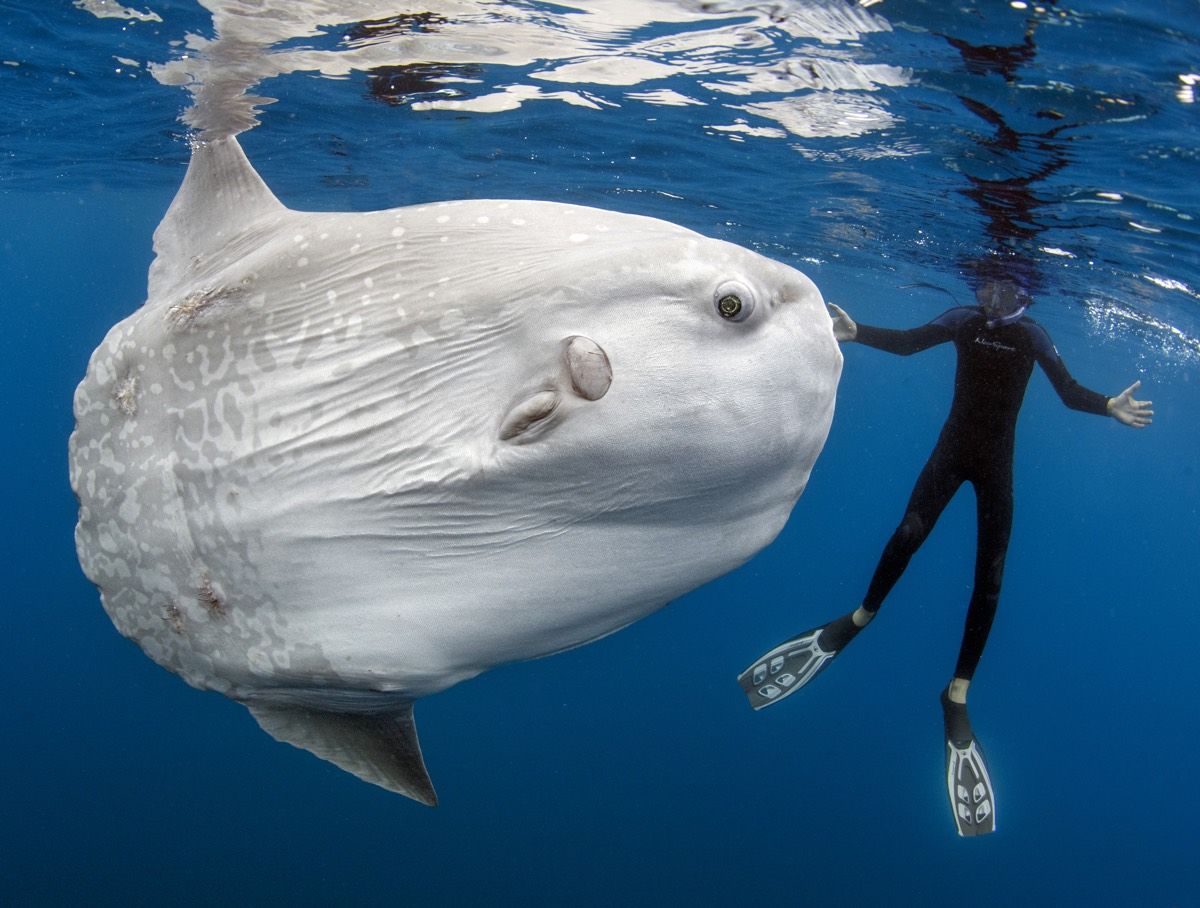
  2. The Mola Mola: The World’s Heaviest Bony Fish
    The ocean sunfish, or mola mola, is an oddity among fish. With a body that is as tall as it is long, the mola mola can weigh up to 2,200 kilograms (4,850 pounds), making it the heaviest bony fish in the world. Despite its size, the mola mola is a gentle giant that feeds primarily on gelatinous creatures like jellyfish. Its unusual shape and lack of a true tail fin make it an intriguing subject for marine biologists.
  3. The Anglerfish: Masters of Deep-Sea Deception
    Anglerfish are a family of fish known for their bizarre and varied appearances. They are perhaps best known for the bioluminescent lure that dangles from their heads, which they use to attract prey in the dark depths of the ocean. Some anglerfish species exhibit extreme sexual dimorphism, with males being much smaller than females and, in some cases, permanently attaching themselves to a female, losing their digestive organs and becoming dependent on her for nutrition.
  4. The Archerfish: Sharpshooters of the Water
    The archerfish is a remarkable species that has developed a unique hunting technique. It shoots jets of water at insects and other small animals sitting on vegetation above the water’s surface, knocking them into the water where they can be eaten. This requires incredible precision and the ability to compensate for refraction, making the archerfish a prime example of animal intelligence and adaptation.
  5. The Electric Eel: A Shocking Predator
    Although not a true eel, the electric eel is a freshwater fish capable of generating powerful electric shocks, which it uses for both hunting and defense. These shocks can be up to 600 volts, strong enough to stun or even kill nearby prey. The electric eel’s ability to produce electricity has fascinated scientists and has been studied extensively for its potential applications in technology and medicine.
  6. The Clownfish and Its Symbiotic Relationship
    Clownfish, made famous by the movie “Finding Nemo,” have a remarkable symbiotic relationship with sea anemones. They are immune to the stinging tentacles of their host anemones, which provide them with protection from predators. In return, the clownfish clean the anemone and even entice other fish to come close, which the anemone can then capture. This mutualistic relationship is a beautiful example of co-evolution.
  7. The Great White Shark: Apex Predator
    The great white shark is one of the ocean’s most feared predators, known for its size, power, and sharp teeth. Despite their fearsome reputation, great whites play a crucial role in their ecosystems as apex predators, helping to maintain balance among marine populations. Their life history, including their migratory patterns and hunting strategies, continues to be a subject of extensive research.
  8. The Lungfish: Survivors of the Ages
    Lungfish are ancient creatures that have survived for over 300 million years, bridging the gap between water and land. They possess a primitive lung-like organ that allows them to breathe air, which they use to survive in oxygen-poor waters or during droughts when their habitats dry up. This adaptation has allowed lungfish to endure through the ages, making them one of the most resilient species on the planet.

The extraordinary species highlighted here are just a glimpse into the vast array of fish that inhabit our waters. Each has its own unique story of survival, adaptation, and co-evolution, showcasing the incredible diversity of life in the aquatic realm. As we continue to explore and learn about these remarkable creatures, we gain a deeper appreciation for the complexity and beauty of the natural world.

Zoos at the Forefront of Species Preservation

emerged as pivotal institutions in the global effort to preserve biodiversity. Beyond their role as centers for education and recreation, zoos are increasingly recognized as conservation caretakers, playing a crucial role in species preservation. This article delves into the multifaceted strategies zoos employ to safeguard endangered species and the significant impact they have on conservation efforts worldwide.

The Evolution of Zoos: From Exhibition to Conservation

The concept of zoos has evolved dramatically over the centuries. Once places where animals were displayed for entertainment, modern zoos have transformed into conservation powerhouses. This shift reflects a growing awareness of the environmental crisis and the critical role humans play in the survival of many species. Today, zoos are at the forefront of species preservation, combining scientific research, breeding programs, and public education to combat extinction.

Breeding Programs: Saving Species from the Brink

One of the most visible conservation efforts undertaken by zoos is the establishment of breeding programs for endangered species. These programs, often coordinated internationally, aim to increase the genetic diversity and population numbers of species threatened by extinction. Success stories abound, from the Arabian oryx, once extinct in the wild but successfully reintroduced through zoo breeding programs, to the California condor, whose numbers have been steadily climbing thanks to captive breeding initiatives.

Scientific Research and Rehabilitation

Zoos also serve as vital centers for scientific research. By studying animals in controlled environments, researchers can gain insights into their behavior, physiology, and reproductive habits, information that is crucial for conservation efforts in the wild. Additionally, zoos play a key role in the rehabilitation of injured or orphaned wildlife, preparing them for reintroduction into their natural habitats.

Public Engagement and Education

Perhaps one of the most significant contributions zoos make to conservation is their role in public engagement and education. By providing opportunities for people to see and learn about animals they might never encounter otherwise, zoos foster a connection to the natural world that is essential for conservation. Educational programs, interactive exhibits, and conservation campaigns empower visitors to become advocates for wildlife and the environment.

Challenges and Criticisms

Despite their contributions, zoos face challenges and criticisms. Ethical concerns regarding animal welfare and the limitations of captive environments are ongoing debates. Moreover, the success of conservation efforts often depends on addressing the root causes of species decline, such as habitat destruction and climate change, issues that require broader environmental policies and public support.

The Future of Zoo Conservation

Looking ahead, the role of zoos in conservation is likely to expand. Innovations in technology and animal care, combined with a growing emphasis on habitat preservation and rewilding projects, offer new avenues for zoos to contribute to species preservation. As guardians of biodiversity, zoos will continue to play a critical role in ensuring that future generations can experience the wonder of a diverse and thriving natural world.

In conclusion, zoos stand as beacons of hope in the fight against species extinction. Through their commitment to breeding programs, scientific research, public education, and conservation advocacy, zoos are proving to be indispensable caretakers in the global effort to preserve our planet’s precious biodiversity. As we face the challenges of the 21st century, the work of zoos in conservation will be more important than ever.

Building a Life as a Married Couple: Partnership and Progress

In the grand tapestry of human relationships, marriage stands out as a unique and profound bond. It is a partnership that, when nurtured with care and intention, can lead to a life filled with shared progress and mutual fulfillment. Building a life together as a married couple is not just about the merging of two individuals; it’s about creating a new entity that thrives on collaboration, compromise, and continuous growth. This article explores the key elements that contribute to a successful partnership and how couples can progress together through the journey of marriage.

1. Communication: The Foundation of Partnership

At the heart of any successful marriage lies effective communication. It is the bedrock upon which trust, understanding, and intimacy are built. Open, honest, and respectful dialogue allows couples to express their needs, desires, fears, and dreams. It fosters a deeper connection and enables partners to navigate life’s challenges together. Learning to listen actively and empathize with each other’s perspectives is crucial. Couples should strive to create a safe space where both individuals feel heard and valued, even when discussing difficult topics.

2. Mutual Respect and Appreciation

Respect is the cornerstone of a healthy partnership. It involves acknowledging and valuing each other’s differences, opinions, and contributions to the relationship. Couples should celebrate their individual strengths and support each other’s personal growth. Expressing gratitude and appreciation for the little things, as well as the big, helps to maintain a positive and loving atmosphere. Recognizing and affirming each other’s efforts, whether they be career achievements, household chores, or emotional support, strengthens the bond and fosters a sense of teamwork.

3. Shared Goals and Dreams

Building a life together requires aligning on common goals and aspirations. This doesn’t mean that individual dreams should be sacrificed; rather, it’s about finding a balance between personal ambitions and shared objectives. Couples should regularly discuss their hopes for the future and work together to create a roadmap that honors both partners’ desires. Whether it’s planning for a family, career advancements, or travel adventures, having shared goals gives the relationship direction and purpose.

4. Embracing Change and Growth

Life is unpredictable, and change is inevitable. A successful partnership is one that is flexible and adaptable. Couples should be open to evolving together and supporting each other through life’s transitions. This might mean making compromises, learning new skills, or stepping out of comfort zones. Growth within a marriage can lead to a deeper connection and a more fulfilling partnership. It’s important to remember that progress is not always linear; there will be ups and downs, but facing them together makes the journey worthwhile.

5. Maintaining Independence

While it’s essential to build a life together, maintaining individuality is also crucial. Encouraging each other to pursue personal interests, hobbies, and friendships outside of the relationship can actually strengthen the bond. It allows partners to bring fresh perspectives and experiences back into the marriage, enriching the shared life. Balancing togetherness with independence ensures that each individual continues to grow and contribute to the partnership in meaningful ways.

Conclusion

Building a life as a married couple is a beautiful, complex, and rewarding endeavor. It requires commitment, effort, and a willingness to grow together. By prioritizing communication, mutual respect, shared goals, adaptability, and independence, couples can create a partnership that not only withstands the test of time but also thrives on the journey. Partnership and progress go hand in hand, and when nurtured with love and intention, marriage can be a source of immense joy and fulfillment.

A Multifaceted Star’s Journey: Selena Gomez

Selena Gomez, a name that resonates with a generation, is not just a singer or an actress but a multifaceted star whose journey from a child prodigy to a global icon is nothing short of inspiring. Born on July 22, 1992, in Grand Prairie, Texas, Gomez’s rise to fame began at a young age, but her impact on music, acting, and advocacy has made her a role model for millions around the world.

Early Beginnings and Disney Fame

Gomez’s career took off when she was cast in the Disney Channel series “Barney & Friends” at the tender age of seven. However, it was her role as Alex Russo in the hit Disney show “Wizards of Waverly Place” that catapulted her to stardom. The show’s success made Gomez a household name and a teen idol, opening doors for her in both the music and film industries.

Music Career

Venturing into music, Gomez formed the band Selena Gomez & the Scene in 2009. The band released three studio albums, each achieving significant commercial success and showcasing Gomez’s pop sensibilities. Her solo career took off with the release of her debut album “Stars Dance” in 2013, which debuted at number one on the Billboard 200 chart. Gomez’s subsequent albums, “Revival” (2015), “Rare” (2020), and her latest, “Revelación” (2021), have continued to explore her musical evolution, blending pop with Latin influences and earning critical acclaim.

Acting and Producing

Beyond her music career, Gomez has made significant strides in acting. Her roles in films like “Spring Breakers” (2012) and “The Dead Don’t Die” (2019) have shown her versatility as an actress. Gomez has also ventured into producing, with her production company, July Moon Productions, focusing on projects that highlight diverse voices and stories.

Philanthropy and Advocacy

Gomez’s influence extends beyond entertainment. She is a vocal advocate for mental health awareness, having taken time away from the spotlight to prioritize her well-being. Through her philanthropic efforts, including the launch of the Rare Beauty brand and its corresponding Rare Impact Fund, Gomez aims to destigmatize mental health issues and provide access to services for those in need.

Legacy

Selena Gomez’s journey is a testament to her talent, resilience, and dedication. From her early days on Disney Channel to becoming a global pop star and advocate, Gomez has shown that she is more than just a product of the entertainment industry. She is a force that uses her platform for positive change, inspiring her fans and peers alike.

As Gomez continues to evolve, her legacy is not just in the music she creates or the roles she takes on but in the impact she has made on her fans and the world. Selena Gomez is not just a star; she is a symbol of strength, authenticity, and the power of using one’s voice for good.

A Life in the Spotlight: From Stage to Screen

The journey from stage to screen is a storied path that many performers have trodden, each with their unique experiences and tales of transformation. It’s a journey that encapsulates the essence of show business, a world where the spotlight never dims, and the curtain never truly falls. This article delves into the lives of those who have navigated this path, exploring the challenges, the triumphs, and the enduring allure of a life lived in the spotlight.

The Genesis: A Stage Debut

For many, the journey begins on the stage, a place where the immediacy of the audience’s reaction is palpable. The stage is a crucible where performers are forged, learning the craft of acting, singing, or dancing in a setting that demands presence and connection. It’s here, under the bright lights and amidst the roar of applause, that many discover their passion for performance.

The stage offers a unique intimacy, a direct line of communication between the performer and the audience. It’s a space where nuance and subtlety can be as impactful as grand gestures, and where the energy of the crowd can elevate a performance. For those who begin here, the stage is a formative ground, teaching lessons in discipline, timing, and the power of storytelling.

The Transition: From Stage to Screen

The transition from stage to screen is not merely a change of venue but a transformation in the very nature of performance. The screen, whether big or small, demands a different kind of acting. The close-up lens reveals the minutiae of emotion, requiring a performer to delve deep into the subtleties of human behavior.

For stage actors, this transition can be challenging. The broad strokes that play well to a theater audience must be refined, the energy channeled inward. Yet, the skills honed on the stage—the ability to command an audience, the stamina for long hours of performance, and the deep understanding of character—are invaluable assets in the screen world.

The Screen: A New Canvas

The screen offers its own set of opportunities and challenges. The ability to reach a global audience, to tell stories that transcend cultural and geographical boundaries, is a powerful draw. The screen also allows for a diversity of roles and projects, from indie films to blockbuster hits, from episodic television to streaming series.

For performers, the screen offers a chance to collaborate with a wide array of talent, from directors and writers to fellow actors and technicians. Each project is a new adventure, a chance to inhabit different worlds and explore different facets of the human experience.

The Spotlight: A Life in Performance

A life in the spotlight, whether on stage or screen, is one of constant reinvention. It requires resilience, adaptability, and an unwavering passion for the craft. The journey from stage to screen is a testament to the enduring allure of performance, a celebration of the human capacity for storytelling.

Performers who have made this journey speak of the joy of connecting with audiences, of the thrill of stepping into someone else’s shoes, and of the satisfaction of a job well done. They also speak of the sacrifices, the long hours, and the relentless pursuit of excellence.

In the end, a life in the spotlight is about more than fame or fortune. It’s about the love of performance, the desire to move and be moved, to tell stories that resonate and inspire. For those who have chosen this path, the stage and screen are not just places of work but stages of life, each performance a chapter in an ongoing story of dedication, creativity, and the relentless pursuit of art.

Conclusion

From stage to screen, the journey of a performer is one of constant evolution, a life lived in the spotlight. It’s a path marked by challenges and triumphs, by the thrill of the new and the comfort of the familiar. For those who embark on this journey, the stage and screen offer a world of endless possibilities, a canvas on which to paint the stories of a lifetime.

Recognition and Treatment: Nail Diseases and Disorders

Nails, often overlooked in the grand scheme of bodily health, are not just cosmetic features but also indicators of our overall well-being. They can reflect nutritional deficiencies, systemic diseases, and local infections. Nail diseases and disorders can range from cosmetically displeasing to functionally debilitating. Understanding the recognition and treatment of these conditions is crucial for maintaining both health and appearance.

Common Nail Disorders

  1. Fungal Nail Infections (Onychomycosis): This is one of the most common nail disorders, characterized by the presence of fungi in the nail bed. Affected nails appear discolored, thickened, and brittle. Treatment often involves antifungal medications, either oral or topical, and in severe cases, nail removal.
  2. Ingrown Toenails: This condition occurs when the edge of the toenail grows into the skin of the toe, causing pain, redness, and sometimes infection. Treatment may include trimming the nail in a specific way, lifting the edge of the nail, or in severe cases, surgery to remove the ingrown portion.
  3. Nail Psoriasis: Psoriasis can affect the nails, making them pitted, discolored, and prone to crumbling. Treatment focuses on managing the underlying psoriasis, often with topical treatments, light therapy, or systemic medications.
  4. Nail Fungus: Beyond onychomycosis, other fungal infections can affect the nails, leading to similar symptoms. Treatment is similar, focusing on antifungal medications.
  5. Paronychia: This is an infection of the skin around the nail, often caused by bacteria or fungi. It can lead to redness, swelling, and pain. Treatment involves antibiotics or antifungal medications, and sometimes, drainage of the pus.

Recognition and Diagnosis

Recognizing nail disorders often starts with observing changes in the appearance or behavior of the nails. Discoloration, thickening, brittleness, or pain can all be signs of underlying issues. A thorough examination by a healthcare professional, often a dermatologist or podiatrist, is crucial for accurate diagnosis. This may involve a physical examination, nail scrapings for lab analysis, and sometimes, imaging tests.

Treatment Approaches

Treatment for nail disorders depends on the specific condition and its severity. Common approaches include:

  • Medications: Antifungal, antiviral, or antibiotic medications are used to treat infections. Topical treatments are applied directly to the nail, while oral medications are used for more severe cases.
  • Surgery: In cases where medications are ineffective or the condition is severe, surgical options such as nail removal may be considered.
  • Lifestyle Changes: Proper nail care, including keeping nails clean and trimmed, can help prevent infections and ingrown nails. Wearing breathable shoes and socks can also reduce the risk of fungal infections.
  • Nutritional Support: Ensuring adequate nutrition, particularly of vitamins and minerals important for nail health, can help prevent some disorders.

Prevention

Preventing nail diseases and disorders involves good hygiene practices, such as keeping nails clean and dry, avoiding nail biting and picking, and wearing protective gloves when using chemicals or working with soil. Regular foot care, including proper trimming of toenails, can prevent ingrown nails.

Conclusion

Nail diseases and disorders can significantly impact one’s quality of life, both in terms of appearance and functionality. Early recognition and appropriate treatment are key to managing these conditions effectively. Consulting healthcare professionals for accurate diagnosis and treatment plans is crucial. With proper care and attention, many nail disorders can be successfully managed, allowing individuals to maintain healthy and attractive nails.

Understanding the Culture and Fandom: K-pop Beyond the Beat

K-pop, short for Korean pop, is more than just a music genre; it’s a cultural phenomenon that has transcended borders, languages, and age groups to captivate millions of fans worldwide. Beyond the catchy tunes, intricate choreographies, and visually stunning music videos, K-pop embodies a unique blend of music, fashion, and fan culture that has revolutionized the global entertainment industry. This article delves into the multifaceted world of K-pop, exploring its cultural significance and the fervent fandom that fuels its global success.

The Birth of a Phenomenon

K-pop’s roots can be traced back to the early 1990s, with the genre gaining international recognition in the late 2000s and exploding in popularity in the 2010s. The South Korean government played a pivotal role in the genre’s global expansion, recognizing the potential of cultural exports as a means to boost the nation’s economy and soft power. This strategic push, coupled with the internet’s global reach, allowed K-pop to spread far and wide, breaking into markets traditionally closed to foreign music.

Understanding the Culture

K-pop is characterized by its wide-ranging musical and visual influences, including elements from pop, rock, electronic dance music, hip-hop, and R&B. This eclectic mix, combined with high-quality production values, has set K-pop apart from other music genres. However, the culture extends beyond music to encompass fashion, beauty, and lifestyle trends. K-pop idols are trendsetters, influencing everything from hairstyles and makeup to fashion and even language. The “Hallyu” or Korean Wave, of which K-pop is a significant part, has introduced the world to Korean dramas, cuisine, and beauty standards, creating a comprehensive cultural package.

The Role of Entertainment Companies

K-pop idols are meticulously groomed by entertainment companies, which play a crucial role in the genre’s success. These companies invest heavily in talent scouting, training, and producing their artists, often from a very young age. The training process is rigorous, covering not just singing and dancing but also acting, hosting, and foreign languages, making K-pop idols multi-talented entertainers. This comprehensive approach ensures that K-pop groups are well-equipped to engage with their global audience on various platforms.

The Power of Fandom

At the heart of K-pop’s global success is its dedicated fanbase. K-pop fans, known as “K-pop stans,” are renowned for their loyalty, passion, and organizational skills. They form online communities, create fan clubs, and engage in various activities to support their favorite artists, from streaming music videos to organizing charity events. The fandom’s collective power has broken numerous records, propelling K-pop groups to the top of music charts worldwide and securing their idols’ global recognition.

Social Impact and Challenges

K-pop has had a significant social impact, promoting cultural exchange and breaking down stereotypes. It has provided a platform for discussions on important issues, including mental health, diversity, and social justice. However, the industry is not without its challenges, facing criticism for its demanding work schedules, the pressure on idols to maintain a perfect image, and the intense scrutiny from fans and the media. Despite these challenges, K-pop continues to evolve, with artists and companies working towards creating a healthier and more inclusive industry.

Conclusion

K-pop Beyond the Beat is a testament to the genre’s profound impact on global culture and entertainment. It’s a celebration of diversity, creativity, and the unbreakable bond between artists and their fans. As K-pop continues to grow and evolve, its influence on the world stage is undeniable, proving that music truly knows no boundaries. The K-pop phenomenon is not just about the beat; it’s about the culture, the community, and the connection that transcends borders, bringing people together in a shared love for the art and its creators.

The Life of African Elephants: Majestic Giants

In the vast, sun-drenched landscapes of Africa, few creatures embody the continent’s wild spirit quite like the African elephant. These majestic giants, with their towering presence and profound intelligence, have roamed the savannas, forests, and deserts for millions of years, playing a crucial role in the ecosystems they inhabit. Yet, despite their grandeur, African elephants face numerous challenges in the modern world, from habitat loss to poaching, which threaten their very existence. This article delves into the life of these remarkable animals, exploring their behavior, their significance in the environment, and the efforts to protect them.

The African Elephant: A Giant Among Giants

The African elephant (Loxodonta africana) is the largest land animal on Earth, with males often reaching heights of up to 13 feet at the shoulder and weighing up to 6,000 kilograms. Their size is not just for show; it’s a testament to their evolutionary success in navigating the African landscapes. Their large ears, which can measure up to 5 feet in length, serve not only as a means of communication but also as a cooling mechanism in the hot African climate. The trunk, a fusion of the nose and upper lip, is a versatile tool used for breathing, smelling, touching, grasping, and producing sound.

Social Structure and Behavior

African elephants are highly social animals, living in tight-knit matriarchal family groups led by the oldest and often largest female. These groups, known as herds, can range from a few individuals to over 20 members. The strong familial bonds among elephants are evident in their behavior, as they are known to mourn their dead, exhibit joy, and even show signs of empathy and altruism.

Their intelligence is legendary, with elephants capable of problem-solving, using tools, and displaying complex emotions. They communicate over long distances using infrasound, sounds too low for humans to hear, which can travel several kilometers across the savanna.

Environmental Impact and Significance

Elephants play a crucial role in their ecosystems, acting as what is known as a “keystone species.” Their movements and behaviors have a profound impact on the environment and other species. For example, by knocking down trees and trampling vegetation, they create clearings that allow sunlight to reach the forest floor, promoting plant growth and biodiversity. Their foraging habits also help to disperse seeds, contributing to the propagation of various plant species.

Moreover, the water holes they create by digging in dry riverbeds provide a lifeline for numerous other animals during the dry season. In essence, elephants are architects of the landscape, shaping the environment in ways that benefit many species.

Challenges and Conservation Efforts

Despite their ecological importance, African elephants face significant threats. Habitat loss due to human expansion and agriculture is a major concern, as it reduces their living space and access to food and water. Additionally, poaching for ivory and human-wildlife conflict pose serious risks to their survival.

Conservation efforts are underway to protect these majestic giants. International bans on ivory trade, anti-poaching patrols, and community-based conservation programs aim to reduce threats and promote coexistence between humans and elephants. Sanctuaries and national parks provide protected areas where elephants can roam freely and safely.

Conclusion

The African elephant is more than just a symbol of Africa’s wilderness; it is a testament to the beauty and complexity of the natural world. Its survival is not just a matter of preserving a single species but of maintaining the health and diversity of entire ecosystems. As we continue to learn from and coexist with these majestic giants, it is our responsibility to ensure their protection for generations to come. The life of African elephants is a reminder of the delicate balance of nature and the importance of conservation in a rapidly changing world.

The Domestication Journey of Felines: From Alleycats to Lapcats

The journey from alleycats to lapcats is a fascinating tale of evolution, human interaction, and the development of a unique bond between two species. The domestication of felines is a process that has unfolded over thousands of years, transforming wild cats into the beloved companions we know today. This journey is not just a story of physical changes but also of behavioral adaptations and the deepening of a relationship that has enriched human lives in countless ways.

The Wild Origins

The domestication of cats is believed to have begun in the Near East, around 9,000 years ago, during the Neolithic Revolution when humans started transitioning from nomadic lifestyles to settled agricultural communities. This shift in human lifestyle inadvertently created an environment conducive to the presence of wild cats. The granaries and food stores attracted rodents, which in turn attracted wild cats seeking an easy meal.

A Mutually Beneficial Relationship

The presence of cats in and around human settlements was initially tolerated because they controlled the rodent population, protecting food stores from destruction. This mutualistic relationship was the foundation of feline domestication. Unlike dogs, which were domesticated through selective breeding for specific traits, cats essentially domesticated themselves by adapting to human environments.

The Evolution of the Feline-Human Bond

As generations passed, cats that were less wary of humans and more inclined to live in close proximity to them thrived. This gradual process of acclimatization to human environments and humans themselves led to the development of the domestic cat. Over time, humans began to appreciate cats not just for their pest control abilities but also for their companionship. The ancient Egyptians were among the first to elevate cats to a status of reverence, depicting them in art and mythology and mourning them in elaborate funerals.

Physical and Behavioral Changes

The domestication process has led to physical and behavioral changes in cats. Domestic cats have smaller skulls and brains, shorter jaws, and smaller teeth compared to their wild ancestors. These changes are partly due to the reduced need for hunting prowess in a human-provided environment. Behaviorally, domestic cats have become more social and less aggressive, traits that make them more suitable as pets.

The Variety of Domestic Cats

Today, the domestic cat comes in a bewildering variety of breeds, each with its unique characteristics and history. From the sleek Siamese to the fluffy Persian, the athletic Abyssinian to the laid-back Ragdoll, each breed is a testament to the diverse paths the domestication journey has taken. Cat shows, breeding programs, and the popularity of cats as pets have all contributed to the development and preservation of these breeds.

The Modern Lapcat

The modern domestic cat is as much a part of the family as any other pet. They are companions, stress relievers, and even have roles in therapy and support. The journey from alleycats to lapcats is a story of adaptation, evolution, and the enduring bond between humans and animals. It’s a reminder of the profound impact our interactions with other species can have on the world around us.

In conclusion, the domestication of felines is a remarkable journey that highlights the complex relationship between humans and animals. From wild predators to cherished companions, cats have come a long way, enriching our lives and becoming an integral part of human culture and society. As we continue to learn from and about our feline friends, the story of their domestication serves as a fascinating glimpse into the past, present, and future of human-animal interactions.

Shaping Your Path as a High School Influencer: Leadership Roles

As a high school student, the journey through adolescence is not just about academic growth but also about personal development and social influence. High school is a pivotal time where young individuals begin to understand the impact of their actions and words on their peers and community. Leadership roles within this environment are crucial for shaping not only the leader but also the culture and direction of the school. This article explores the significance of leadership roles in high school and how they can mold you into an influencer, setting a path for future success and community impact.

Understanding Leadership in High School

Leadership in high school is multifaceted. It’s not just about holding a title or position but about the ability to inspire, motivate, and guide others towards a common goal. It’s about being a role model and setting a positive example for your peers. Leadership opportunities in high school can range from being the captain of a sports team, the president of a club, or even taking the initiative to start a new group that addresses a specific interest or need within the school community.

The Role of a High School Influencer

A high school influencer is someone who, through their actions and words, can impact the attitudes, behaviors, and decisions of their peers. This influence can be leveraged to foster a positive school culture, promote inclusivity, and advocate for important issues. As a high school influencer, your role is to be a catalyst for change, to challenge the status quo, and to encourage others to be their best selves.

Shaping Your Path as a High School Influencer

  1. Identify Your Passion: The first step in becoming an influencer is to identify what you are passionate about. Whether it’s environmental issues, social justice, or arts and culture, your passion will fuel your leadership journey.
  2. Develop Your Skills: Leadership requires a set of skills including communication, empathy, problem-solving, and resilience. Seek opportunities to develop these skills through workshops, online courses, or by learning from mentors.
  3. Take Initiative: Don’t wait for opportunities to come to you. Look for gaps in your school community that you can fill. Whether it’s starting an eco-club, organizing a charity event, or creating a support group, taking initiative demonstrates your leadership potential.
  4. Build Relationships: Leadership is not a solo journey. Build a network of peers, teachers, and community members who share your vision. Collaboration can amplify your impact and provide support during challenging times.
  5. Be Authentic: Authenticity is key to being a respected influencer. Be true to yourself and your values. Your peers will respect you more for being genuine than for trying to be someone you’re not.
  6. Embrace Challenges: Leadership is not without its challenges. View obstacles as opportunities for growth. How you handle adversity can be as influential as your successes.
  7. Give Back: Use your influence to give back to your community. Whether it’s through volunteering, mentoring younger students, or raising awareness for important causes, your actions can make a significant difference.

Conclusion

Leadership roles in high school are more than just resume builders; they are opportunities to shape your path as an influencer. By identifying your passion, developing your skills, taking initiative, building relationships, being authentic, embracing challenges, and giving back, you can make a lasting impact on your school community and beyond. The lessons learned and the skills developed through these leadership roles will not only prepare you for future leadership opportunities but also contribute to your personal growth and success. Remember, leadership is not about being at the forefront; it’s about taking others with you on the journey towards a better future.

The Foundation of Health: Nourishing Your Body

In the quest for optimal health, the significance of nourishing our bodies cannot be overstated. The food we consume is the fuel that powers our cells, organs, and systems, influencing every aspect of our well-being. A well-nourished body is the cornerstone of a vibrant life, providing the energy, nutrients, and resilience needed to thrive. This article explores the foundational principles of nourishing your body, emphasizing the importance of a balanced diet, the role of nutrients, and practical tips for making nourishing choices.

Understanding the Importance of Nutrition

Nutrition is the science that interprets the interaction of nutrients and other substances in food in relation to maintenance, growth, reproduction, health, and disease of an organism. It involves the processes by which an organism assimilates food and uses it for growth and for replacement of tissues. Nutrients are substances that provide nourishment essential for the maintenance of life and for growth.

The Building Blocks of Health

Our bodies require a variety of nutrients to function optimally, including carbohydrates, proteins, fats, vitamins, minerals, and water. Each of these components plays a crucial role in supporting bodily functions, from energy production to immune function and beyond.

  • Carbohydrates are the body’s primary source of energy. They are found in foods like grains, fruits, and vegetables.
  • Proteins are essential for growth, repair, and maintenance of body tissues. They are made up of amino acids, which can be obtained from foods like meat, dairy, beans, and nuts.
  • Fats are a concentrated source of energy and are important for cell structure, hormone production, and the absorption of certain vitamins.
  • Vitamins and Minerals act as catalysts in many biochemical reactions, supporting everything from bone health to immune function.
  • Water is crucial for life, involved in every bodily function, from digestion to temperature regulation.

Embracing a Balanced Diet

A balanced diet is one that provides all the nutrients your body needs to function correctly. It contains the right proportions of carbohydrates, proteins, fats, vitamins, and minerals. Eating a balanced diet is the best way to get enough nutrients to fuel your body, promote good health, and reduce the risk of disease.

To achieve a balanced diet, focus on:

  • Variety: Eat a wide range of foods to ensure you’re getting all the nutrients your body needs.
  • Moderation: Pay attention to portion sizes to avoid consuming too many calories or too much of any one nutrient.
  • Adequacy: Ensure your diet provides enough nutrients and energy to meet your body’s needs.

Practical Tips for Nourishing Your Body

  1. Eat a Rainbow: Aim to fill your plate with a variety of colorful fruits and vegetables, which are rich in vitamins, minerals, and fiber.
  2. Choose Whole Grains: Opt for whole grains like brown rice, quinoa, and whole wheat bread over refined grains for more fiber and nutrients.
  3. Incorporate Lean Proteins: Include sources of lean protein such as chicken, fish, beans, and nuts in your meals.
  4. Healthy Fats: Don’t shy away from fats. Instead, choose healthy fats like avocados, olive oil, and fatty fish.
  5. Stay Hydrated: Drink plenty of water throughout the day to keep your body hydrated and support its functions.
  6. Limit Processed Foods: Processed foods often contain added sugars, salt, and unhealthy fats. Limiting these can help maintain a healthy diet.

Conclusion

Nourishing your body is a fundamental aspect of health and well-being. By understanding the importance of nutrition and making informed choices about the foods you eat, you can lay a strong foundation for a healthy life. Remember, the journey to optimal health is a marathon, not a sprint. Small, consistent steps towards nourishing your body with a balanced diet can lead to significant improvements in your overall health and vitality.

Ingin Meraih Kemenangan Besar? Ikuti Langkah-Langkah Login ke Trisula88 dengan Benar!

Meraih kemenangan besar di Trisula88 Login dimulai dengan proses login yang benar dan aman. Berikut adalah langkah-langkah mudah yang dapat Anda ikuti untuk memastikan login Anda berhasil dan Anda siap untuk bermain.

Pertama, pastikan Anda memiliki koneksi internet yang stabil. Koneksi yang baik sangat penting agar proses login berjalan lancar tanpa gangguan. Gunakan Wi-Fi yang kuat atau jaringan seluler dengan sinyal yang baik.

Kedua, akses situs resmi Trisula88 melalui browser pilihan Anda. Gunakan tautan resmi yang diberikan oleh Trisula88 atau sumber tepercaya untuk menghindari situs palsu dan potensi penipuan.

Ketiga, pada halaman utama situs Trisula88, temukan dan klik tombol “Login” yang biasanya terletak di pojok kanan atas halaman. Tombol ini akan membawa Anda ke halaman login.

Keempat, masukkan username dan password yang telah Anda daftarkan. Pastikan informasi yang Anda masukkan benar dan sesuai dengan data yang Anda miliki. Jika Anda lupa password, gunakan fitur “Lupa Password” untuk mereset kata sandi Anda.

Kelima, klik tombol “Login” setelah memasukkan informasi yang diperlukan. Tunggu beberapa saat hingga sistem memproses informasi Anda. Jika data yang Anda masukkan benar, Anda akan diarahkan ke halaman utama akun Anda.

Setelah berhasil login, pastikan untuk memeriksa pengaturan keamanan akun Anda. Aktifkan fitur keamanan tambahan seperti autentikasi dua faktor (2FA) jika tersedia untuk melindungi akun Anda dari akses yang tidak sah.

Dengan mengikuti langkah-langkah ini, Anda dapat login ke Trisula88 dengan benar dan siap untuk meraih kemenangan besar. Selalu periksa koneksi internet Anda, gunakan tautan resmi, dan pastikan informasi login Anda benar. Selamat bermain dan semoga sukses!

A Timeless Fascination: The Allure of Vampires

Vampires, those enigmatic creatures of the night, have captivated human imagination for centuries. With their immortal lives, supernatural powers, and insatiable thirst for blood, vampires have become a staple of folklore, literature, and popular culture. This article delves into the origins of vampire myths, their evolution over time, and the enduring appeal that keeps them alive in the collective consciousness.

Origins and Evolution:
The vampire legend has roots in various cultures around the world, with similar tales emerging from regions as diverse as Eastern Europe, the Middle East, and the Americas. The archetypal vampire, however, is often associated with Eastern European folklore, particularly that of the Slavic peoples. These stories typically depicted vampires as reanimated corpses that rose from their graves to feed on the blood of the living, often their own family members.

The modern conception of the vampire was significantly shaped by Bram Stoker’s 1897 novel “Dracula.” Stoker’s portrayal of Count Dracula as a sophisticated, seductive, and dangerous aristocrat became the blueprint for many subsequent vampire depictions. The character was a blend of earlier vampire lore and Stoker’s own imaginative embellishments, including the ability to transform into a bat or wolf, the aversion to garlic and sunlight, and the power to hypnotize victims.

From Gothic Horror to Modern Icon:
Over the years, the vampire has evolved in literature, film, and television, reflecting the changing societal and cultural landscape. In the 20th century, vampires were often used as metaphors for various fears and anxieties, such as sexuality, disease, and the loss of innocence. The 1922 silent film “Nosferatu” and the 1931 “Dracula,” starring Bela Lugosi, cemented the vampire as a staple of horror cinema.

The latter half of the 20th century saw a shift in vampire narratives, with the creatures becoming more sympathetic and even romantic. Anne Rice’s “The Vampire Chronicles,” beginning with “Interview with the Vampire” in 1976, introduced the world to complex, brooding vampires with their own codes of honor and existential dilemmas. This trend continued with the “Twilight” series by Stephenie Meyer and the HBO series “True Blood,” which further humanized vampires, presenting them as misunderstood outcasts or even heroes.

The Appeal of Vampires:
The enduring fascination with vampires can be attributed to several factors. Firstly, vampires represent the ultimate outsiders, which resonates with feelings of alienation and the desire for acceptance. They are a reflection of our own fears and desires, embodying the eternal struggle between good and evil, life and death, and the human and the monstrous.

Moreover, the vampire’s immortality taps into our deepest existential fears and fantasies. The idea of living forever, witnessing the passage of time, and remaining eternally youthful is both alluring and terrifying. Vampires also symbolize the forbidden, with their nocturnal activities and predatory sexuality challenging societal norms and taboos.

Conclusion:
Vampires, with their complex and multifaceted nature, continue to be a source of fascination and inspiration. As long as we grapple with the mysteries of life, death, and our own desires, the vampire will remain a powerful symbol in our cultural lexicon. Whether they are depicted as monsters to be feared, tragic figures to be pitied, or romantic heroes to be adored, vampires will undoubtedly continue to haunt our stories and our dreams for generations to come.

A Journey Through Time and Mysticism

In the vast landscape of fantasy literature, “Chronicles of the Forgotten Realm” has emerged as a significant series that captivates readers with its intricate world-building, complex characters, and compelling narrative. Written by acclaimed author Elara Nightshade, the series has enchanted audiences worldwide, earning a place among the classics of the genre.

A World Beyond Imagination

The “Chronicles of the Forgotten Realm” transports readers to a meticulously crafted universe where magic and mythology intertwine seamlessly. The realm itself is a mystical land divided into various regions, each with its unique culture, history, and magical practices. From the icy peaks of the Frostfang Mountains to the dense, enchanted forests of Eldergrove, the setting is as much a character in the story as the people who inhabit it.

The Protagonists

At the heart of the series are the protagonists, whose journeys of self-discovery, bravery, and sacrifice drive the narrative forward. The primary characters include:

  • Aeliana Stormrider: A fierce warrior with a mysterious past, Aeliana’s quest for identity and purpose forms the backbone of the series.
  • Kieran Windwalker: A mage with unmatched power, Kieran’s struggle with the dark forces within him adds depth and tension to the story.
  • Lyria Moonshadow: A skilled thief and master of disguise, Lyria’s cunning and resourcefulness often save the day.

Each character is meticulously developed, with their backstories and personal growth adding layers of complexity to the overarching plot.

The Plot Unfolds

The narrative of “Chronicles of the Forgotten Realm” is rich with twists and turns, keeping readers on the edge of their seats. The story begins with the discovery of an ancient artifact that holds the key to untold power. As the protagonists embark on a quest to prevent this power from falling into the wrong hands, they uncover secrets about their world and themselves that challenge their beliefs and reshape their destinies.

Throughout the series, themes of friendship, loyalty, and the eternal struggle between good and evil are explored. The intricate plot is a tapestry of interwoven storylines, with each book building upon the last to create a cohesive and enthralling saga.

Themes and Symbolism

“Chronicles of the Forgotten Realm” delves into various themes, including:

  • Identity and Self-Discovery: The characters’ journeys are marked by their quest to understand themselves and their place in the world.
  • Power and Corruption: The series explores how power can corrupt and the moral dilemmas faced by those who wield it.
  • Redemption and Forgiveness: Many characters seek redemption for past mistakes, highlighting the importance of forgiveness and second chances.

Symbolism is also prevalent throughout the series, with recurring motifs such as the phoenix representing rebirth and renewal, and the dragon symbolizing both destruction and protection.

Critical Acclaim and Fan Reception

Since its debut, “Chronicles of the Forgotten Realm” has garnered critical acclaim for its storytelling, character development, and world-building. Fans have praised Elara Nightshade for her ability to create a vivid and immersive experience that transports readers to another world. The series has inspired fan art, cosplay, and even a dedicated online community where fans discuss theories and share their love for the books.

Conclusion

“Chronicles of the Forgotten Realm” is more than just a fantasy series; it is a journey through a world of magic, mystery, and adventure. With its richly detailed setting, complex characters, and thought-provoking themes, it stands as a testament to the enduring power of storytelling. Whether you are a longtime fan of fantasy literature or new to the genre, this series offers an unforgettable experience that will leave you eagerly awaiting the next installment.

Situs Casino Online: Pengalaman Berjudi Tanpa Batas

Dunia perjudian telah mengalami transformasi signifikan dengan munculnya situs casino online. Platform-platform ini menawarkan pengalaman berjudi yang tak terbatas, memungkinkan para pemain untuk menikmati permainan kasino favorit mereka kapan saja dan di mana saja.

Situs casino online memberikan akses mudah kepada berbagai macam permainan, mulai dari slot, roulette, blackjack, hingga poker dan banyak lagi. Dengan teknologi canggih, pemain dapat menikmati grafis yang menakjubkan dan gameplay yang lancar, membuat pengalaman bermain semakin menarik.

Salah satu keunggulan utama dari situs casino online adalah kenyamanan yang mereka tawarkan. Pemain tidak perlu repot-repot pergi ke kasino fisik; mereka hanya perlu membuka perangkat mereka dan terhubung ke internet. Ini menjadikan perjudian online sebagai pilihan yang praktis dan fleksibel bagi banyak orang.

Selain itu, situs casino online juga menawarkan berbagai bonus dan promosi yang menarik, seperti bonus selamat datang, bonus setoran, dan program loyalitas. Ini tidak hanya meningkatkan kesempatan untuk menang, tetapi juga membuat pengalaman berjudi lebih menarik dan berinteraksi.

Aman dan terpercaya adalah dua kata kunci dalam dunia perjudian online. Situs casino online yang reputable menggunakan enkripsi tingkat tinggi untuk melindungi data pribadi dan transaksi keuangan para pemain. Mereka juga bekerja sama dengan penyedia game terkemuka yang memastikan semua permainan adil dan jujur.

Dengan demikian, situs casino online telah mengubah cara kita berjudi, memberikan kesempatan untuk menikmati keseruan dan tantangan kasino tanpa harus meninggalkan kenyamanan rumah. Ini adalah revolusi yang terus berkembang, menawarkan pengalaman berjudi yang inovatif dan menarik bagi semua orang.

Kisah Sukses Pemain Slot Princess Gacor yang Menginspirasi

Slot Princess Gacor telah menjadi salah satu permainan slot online yang paling digemari, dan tidak sedikit pemain yang berhasil meraih kesuksesan besar melalui permainan ini. Salah satu kisah sukses yang menginspirasi adalah cerita tentang seorang pemain bernama Andi, starlight princess 1000 yang berhasil mengubah hidupnya berkat keberuntungan dan strategi bermain yang cerdas.

Andi adalah seorang karyawan biasa yang suka bermain slot online sebagai hiburan di waktu luangnya. Suatu hari, ia memutuskan untuk mencoba permainan baru yang sedang populer, yaitu Slot Princess Gacor. Dengan visual yang memukau dan tema fantasi yang menarik, Andi segera jatuh cinta dengan permainan ini.

Awalnya, Andi bermain dengan taruhan kecil untuk memahami mekanisme permainan. Ia mempelajari simbol-simbol, fitur bonus, dan cara kerja putaran gratis. Perlahan tapi pasti, Andi mulai mengembangkan strategi bermain yang efektif. Ia memanfaatkan fitur putaran gratis dan pengganda kemenangan untuk meningkatkan peluang meraih hadiah besar.

Keberuntungan mulai berpihak pada Andi ketika ia berhasil mengaktifkan putaran gratis beberapa kali berturut-turut. Pada suatu malam yang penuh keberuntungan, Andi berhasil meraih jackpot progresif yang terus bertambah seiring dengan jumlah pemain yang bertaruh. Hadiah besar itu mengubah hidupnya secara signifikan.

Dengan kemenangan besar tersebut, Andi mampu melunasi hutang-hutangnya, membeli rumah impian untuk keluarganya, dan bahkan memulai usaha kecil. Kesuksesan ini tidak hanya memberikan kebahagiaan finansial, tetapi juga meningkatkan kualitas hidup Andi dan keluarganya.

Kisah sukses Andi tidak hanya tentang keberuntungan semata, tetapi juga tentang ketekunan dan strategi yang cerdas. Ia selalu bermain dengan bijak, menetapkan batas taruhan, dan tidak pernah tergoda untuk bertaruh lebih dari yang ia mampu. Andi juga memanfaatkan bonus dan promosi yang ditawarkan oleh kasino online untuk memaksimalkan peluangnya.

Kisah Andi menginspirasi banyak pemain lain untuk mencoba peruntungan mereka di Slot Princess Gacor. Permainan ini tidak hanya menawarkan hiburan yang luar biasa, tetapi juga kesempatan nyata untuk meraih kemenangan besar. Dengan grafis yang memukau, fitur-fitur menarik, dan peluang besar untuk meraih hadiah, Slot Princess Gacor terus menjadi favorit di kalangan penggemar slot online.

Jika Anda mencari inspirasi untuk meraih kesuksesan dalam bermain slot online, kisah Andi adalah contoh nyata bahwa dengan keberuntungan, strategi yang tepat, dan bermain secara bertanggung jawab, Anda juga bisa menjadi salah satu pemain sukses di Slot Princess Gacor.