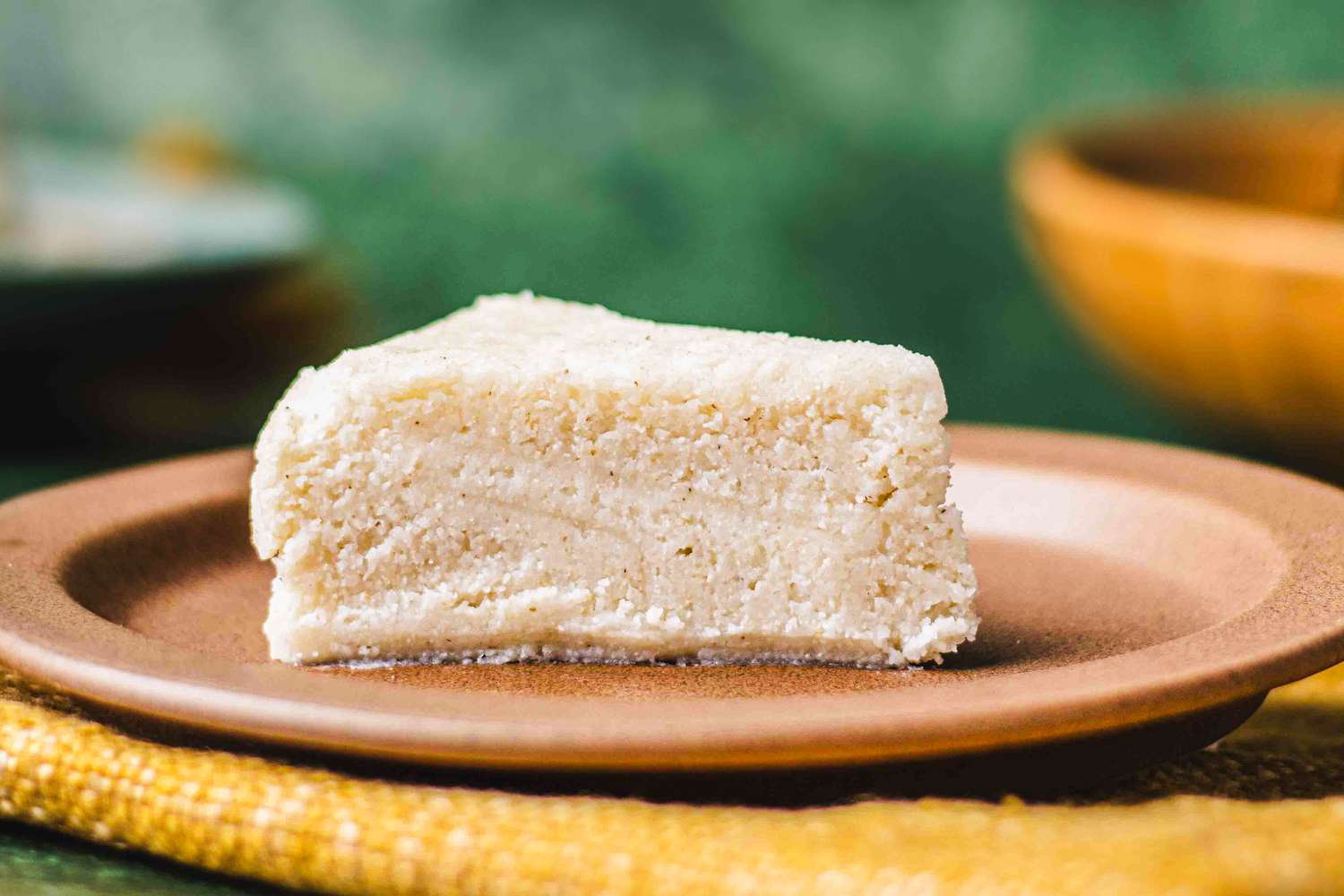
Ugali: The Hearty Staple of East Africa

postphx.com – Ugali, a simple yet fundamental dish, holds a prominent place in the cuisine and culture of East Africa. This stiff porridge, primarily made from maize flour (cornmeal), is a staple food enjoyed by millions across countries like Kenya, Tanzania, Uganda, and beyond. Its humble ingredients belie its significant role in daily life, social gatherings, and national identity.   

Origins and Cultural Significance

The story of ugali is intertwined with the introduction and cultivation of maize in Africa. Maize, originating in Mesoamerica, arrived on the continent through trade routes centuries ago and quickly became a crucial crop due to its adaptability and high yield. As maize cultivation spread across East Africa, ugali emerged as a practical and nourishing way to utilize this abundant grain.   

Ugali transcends its status as mere sustenance; it is deeply embedded in the cultural fabric of East African societies. It is a dish of unity, shared among families and communities, often eaten communally from a central pot or plate. It symbolizes hospitality, with offering ugali to guests being a sign of welcome and respect. In many cultures, specific techniques for preparing and serving ugali have been passed down through generations, carrying with them cultural values and traditions.   

Preparing Ugali: A Simple Process with Room for Nuance

The preparation of ugali is relatively straightforward, requiring only maize flour and water. However, achieving the perfect texture and consistency requires practice and attention to detail.   

  1. Boiling the Water: Water is brought to a rolling boil in a heavy-bottomed pot. This is crucial for ensuring even cooking and preventing lumps.   

  2. Adding the Maize Flour: The maize flour is added gradually to the boiling water, while simultaneously stirring vigorously with a wooden spoon or whisk. This continuous stirring is essential to prevent lumps from forming and to create a smooth, consistent porridge.   

  3. Cooking and Stirring: The mixture is cooked over medium heat, continuing to stir until it thickens and pulls away from the sides of the pot. This process can take anywhere from 15 to 30 minutes, depending on the desired consistency and the type of maize flour used.   

  4. Achieving the Right Consistency: The ideal ugali should be firm enough to hold its shape when scooped, yet soft enough to be easily eaten. It should have a smooth, almost dough-like texture, free from lumps or grittiness.

Serving and Accompaniments

Ugali is typically served hot and often eaten with the hands. A small portion is pinched off, rolled into a ball, and then used to scoop up stews, vegetables, or other accompaniments.   

Ugali pairs well with a wide variety of dishes, reflecting the diverse culinary landscape of East Africa. Some common accompaniments include:   

  • Sukuma Wiki: A simple but nutritious dish made from collard greens or kale, often cooked with tomatoes and onions.   
  • Nyama Choma: Grilled meat, typically goat or beef, a popular choice for celebrations and gatherings.   
  • Fish: Particularly in regions near lakes or the coast, fish stews or fried fish are common accompaniments.   
  • Bean Stews: A hearty and protein-rich option, often cooked with tomatoes, onions, and spices.
  • Vegetable Stews: Various vegetable stews, incorporating ingredients like spinach, okra, or eggplant.

Nutritional Value and Health Considerations

Ugali is a good source of carbohydrates, providing energy for daily activities. It also contains some fiber, which aids digestion. However, it is relatively low in other essential nutrients, such as vitamins and minerals. Therefore, it is important to consume ugali as part of a balanced diet that includes a variety of other foods, such as vegetables, fruits, and protein sources.   

The type of maize flour used can also affect the nutritional content of ugali. Whole grain maize flour, which retains the bran and germ of the maize kernel, is higher in fiber and other nutrients compared to refined maize flour.   

Regional Variations

While the basic preparation of ugali remains similar across East Africa, there are some regional variations in terms of terminology, ingredients, and accompanying dishes.

  • In Kenya, it is commonly known as ugali, while in Tanzania, it is often referred to as ugali or sima.
  • In Uganda, it is called posho.
  • Some regions may use different types of maize flour, resulting in slight variations in texture and flavor.

Ugali’s Enduring Legacy

Ugali’s enduring presence in East African cuisine and culture speaks to its adaptability, affordability, and nutritional value. It is more than just a meal; it is a symbol of community, hospitality, and cultural heritage. As East Africa continues to evolve, ugali remains a constant, connecting generations and embodying the spirit of the region.

The Equatorial Snowcap of Africa: Mount Kenya

postphx.com – Nestled within the heart of Kenya, Mount Kenya stands as a majestic sentinel, its snow-capped peaks piercing the African sky. This dormant stratovolcano, the second-highest peak in Africa, is not only a natural wonder but also a symbol of cultural and ecological significance. Its unique position straddling the equator makes it one of the few places on earth where snow and glaciers exist so close to the equator. This article delves into the allure, history, and challenges facing Mount Kenya, the equatorial snowcap of Africa.

The Allure of Mount Kenya

Mount Kenya, with its three main peaks – Batian, Nelion, and Lenana – offers a breathtaking spectacle. The mountain’s lower slopes are covered in dense forests, which give way to moorland and finally the glacial peaks. This diverse ecosystem supports a rich variety of flora and fauna, making it a haven for wildlife and a paradise for hikers and climbers.

Cultural Significance

For the local Kikuyu people, Mount Kenya is more than just a natural landmark; it is a sacred place, embodying the spiritual and cultural heritage of their ancestors. The mountain is believed to be the dwelling place of Ngai, the God of the Kikuyu. This deep-rooted connection has influenced the way the mountain is perceived and treated, emphasizing the importance of preserving its natural beauty and ecosystem.

The Challenge of Climate Change

Despite its beauty and cultural significance, Mount Kenya faces significant challenges, primarily from climate change. The mountain’s glaciers have been retreating at an alarming rate, a trend that has been observed and documented over the past century. Scientists predict that if current trends continue, Mount Kenya’s glaciers could disappear entirely within the next few decades.

Conservation Efforts

In response to these threats, various conservation efforts have been initiated to protect Mount Kenya and its ecosystem. These include the establishment of the Mount Kenya National Park, which aims to preserve the mountain’s unique biodiversity and cultural heritage. Additionally, there are ongoing efforts to raise awareness about the importance of protecting the mountain and to promote sustainable tourism practices.

The Future of Mount Kenya

As we look to the future, the fate of Mount Kenya’s snowcap remains uncertain. However, the collective efforts of governments, conservationists, and local communities offer a glimmer of hope. By working together, there is a chance to preserve this natural wonder for future generations to appreciate and enjoy.

Conclusion

Mount Kenya, with its equatorial snowcap, is a testament to the beauty and diversity of our planet. It serves as a reminder of the delicate balance between nature and human activity and the urgent need to protect our environment. As we continue to explore and learn from this majestic mountain, let us also commit to preserving its unique ecosystem for generations to come.

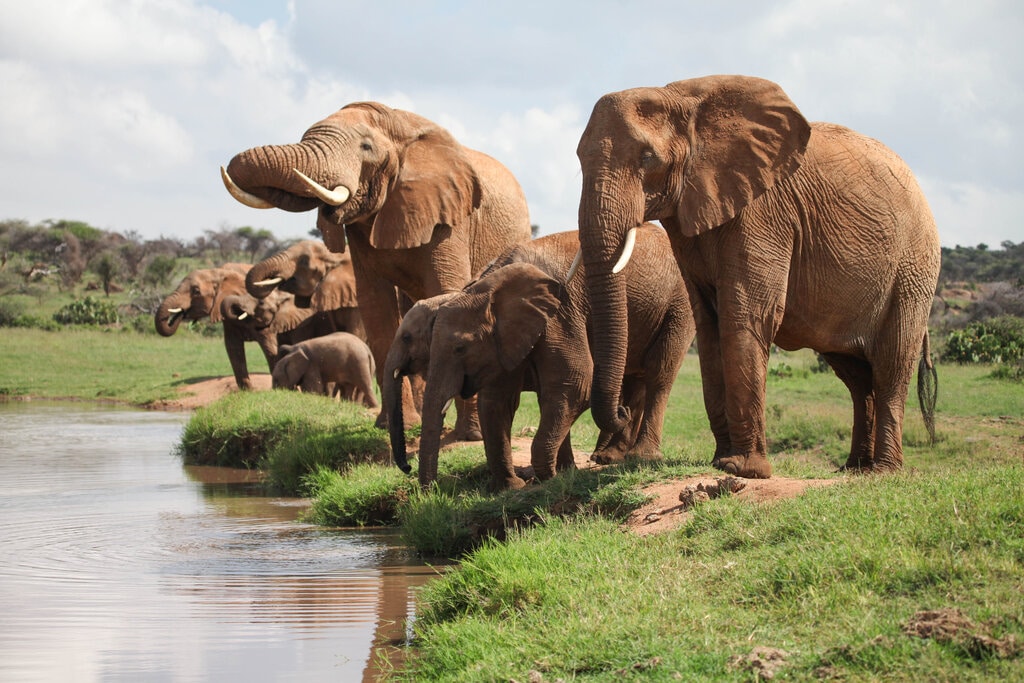
The Life of African Elephants: Majestic Giants

In the vast, sun-drenched landscapes of Africa, few creatures embody the continent’s wild spirit quite like the African elephant. These majestic giants, with their towering presence and profound intelligence, have roamed the savannas, forests, and deserts for millions of years, playing a crucial role in the ecosystems they inhabit. Yet, despite their grandeur, African elephants face numerous challenges in the modern world, from habitat loss to poaching, which threaten their very existence. This article delves into the life of these remarkable animals, exploring their behavior, their significance in the environment, and the efforts to protect them.

The African Elephant: A Giant Among Giants

The African elephant (Loxodonta africana) is the largest land animal on Earth, with males often reaching heights of up to 13 feet at the shoulder and weighing up to 6,000 kilograms. Their size is not just for show; it’s a testament to their evolutionary success in navigating the African landscapes. Their large ears, which can measure up to 5 feet in length, serve not only as a means of communication but also as a cooling mechanism in the hot African climate. The trunk, a fusion of the nose and upper lip, is a versatile tool used for breathing, smelling, touching, grasping, and producing sound.

Social Structure and Behavior

African elephants are highly social animals, living in tight-knit matriarchal family groups led by the oldest and often largest female. These groups, known as herds, can range from a few individuals to over 20 members. The strong familial bonds among elephants are evident in their behavior, as they are known to mourn their dead, exhibit joy, and even show signs of empathy and altruism.

Their intelligence is legendary, with elephants capable of problem-solving, using tools, and displaying complex emotions. They communicate over long distances using infrasound, sounds too low for humans to hear, which can travel several kilometers across the savanna.

Environmental Impact and Significance

Elephants play a crucial role in their ecosystems, acting as what is known as a “keystone species.” Their movements and behaviors have a profound impact on the environment and other species. For example, by knocking down trees and trampling vegetation, they create clearings that allow sunlight to reach the forest floor, promoting plant growth and biodiversity. Their foraging habits also help to disperse seeds, contributing to the propagation of various plant species.

Moreover, the water holes they create by digging in dry riverbeds provide a lifeline for numerous other animals during the dry season. In essence, elephants are architects of the landscape, shaping the environment in ways that benefit many species.

Challenges and Conservation Efforts

Despite their ecological importance, African elephants face significant threats. Habitat loss due to human expansion and agriculture is a major concern, as it reduces their living space and access to food and water. Additionally, poaching for ivory and human-wildlife conflict pose serious risks to their survival.

Conservation efforts are underway to protect these majestic giants. International bans on ivory trade, anti-poaching patrols, and community-based conservation programs aim to reduce threats and promote coexistence between humans and elephants. Sanctuaries and national parks provide protected areas where elephants can roam freely and safely.

Conclusion

The African elephant is more than just a symbol of Africa’s wilderness; it is a testament to the beauty and complexity of the natural world. Its survival is not just a matter of preserving a single species but of maintaining the health and diversity of entire ecosystems. As we continue to learn from and coexist with these majestic giants, it is our responsibility to ensure their protection for generations to come. The life of African elephants is a reminder of the delicate balance of nature and the importance of conservation in a rapidly changing world.