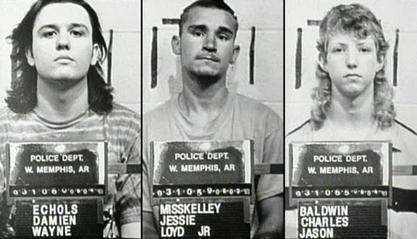
postphx.com – The case of the West Memphis Three has long been a subject of controversy and debate, embodying the complexities of the American justice system. It is a tale that delves into the depths of fear, suspicion, and the quest for justice, raising questions about the fairness of trials and the impact of public opinion on verdicts. This article aims to dissect the case, examining the evidence, the trial, and the eventual release of the accused, to determine whether the West Memphis Three received justice or if their case was a miscarriage of justice.
The Crime
In May 1993, the small town of West Memphis, Arkansas, was shaken by a horrific crime. Three young boys, ages 8, were found murdered in a nearby wooded area known as Robin Hood Hills. The community was gripped by fear and demanded swift justice. The police investigation quickly focused on three teenagers, Damien Echols, Jason Baldwin, and Jessie Misskelley Jr., who were known for their interest in the occult and heavy metal music.
The Trial and Conviction
The trial of the West Memphis Three was marked by sensationalism and speculation. The prosecution relied heavily on circumstantial evidence, including the supposed interest of the teenagers in the occult, and the coerced confession of Jessie Misskelley Jr., which was later recanted. The defense argued that the evidence was inconclusive and that the teenagers were scapegoats for a crime that the community was desperate to solve. Despite these arguments, in 1994, Echols was sentenced to death, while Baldwin and Misskelley were sentenced to life imprisonment without parole.
The Campaign for Justice
The conviction of the West Memphis Three sparked a movement that questioned the fairness of their trial. Celebrities, activists, and legal experts rallied around the cause, highlighting the lack of physical evidence linking the teenagers to the crime and the coercive tactics used by the police. The case received renewed attention with the release of the documentary series “Paradise Lost: The Child Murders at Robin Hood Hills,” which presented a compelling case for the innocence of the accused.
The Release
After spending 18 years in prison, the West Memphis Three were released in 2011. They entered the Alford plea, which allowed them to maintain their innocence while acknowledging that there was enough evidence for a conviction. This unique plea was a compromise that allowed them to be freed but also ensured that the state did not admit to any wrongdoing in their conviction.
Justice or Miscarriage?
The case of the West Memphis Three raises profound questions about the nature of justice in America. On one hand, their release could be seen as a triumph of the justice system, correcting its mistakes through the tireless efforts of activists and the media. On the other hand, the Alford plea and the refusal of the state to acknowledge any wrongdoing suggest a system that is unwilling to fully confront its errors.
Moreover, the case highlights the dangers of convicting based on circumstantial evidence and public hysteria. The West Memphis Three were victims of a community’s fear and a legal system that was too eager to deliver a conviction at the expense of a fair trial.
Conclusion
The West Memphis Three case is a complex and troubling chapter in the history of American justice. It serves as a cautionary tale about the risks of convicting based on circumstantial evidence and the impact of public opinion on the judicial process. While the eventual release of the accused can be seen as a step towards justice, the ambiguity surrounding their plea and the lack of accountability for their wrongful conviction leave lingering doubts about the fairness of the system. The case of the West Memphis Three will continue to be a subject of debate, reminding us of the importance of a fair and impartial justice system.