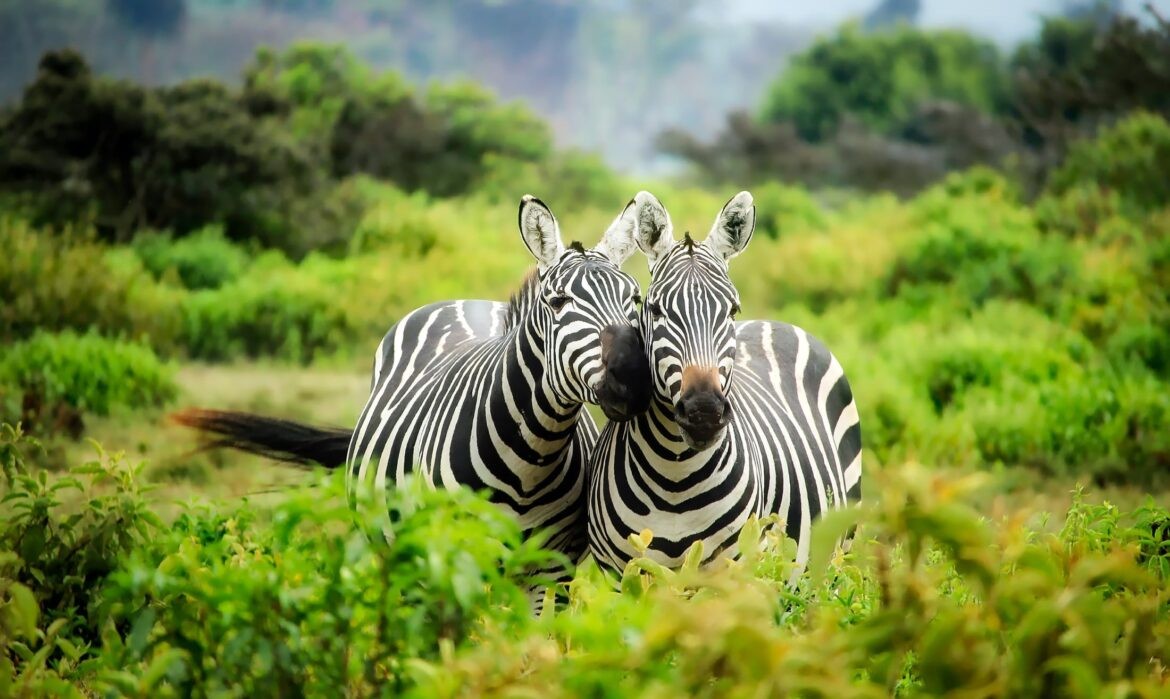
Benefits and Challenges: Wildlife Tourism

postphx.com – Wildlife tourism, a form of ecotourism that focuses on the observation and conservation of wildlife, has gained significant popularity in recent years. It offers travelers the opportunity to experience the natural world up close, while also providing economic benefits to local communities and conservation efforts. However, this growing industry also faces a number of challenges that must be addressed to ensure its sustainability.

Economic Benefits of Wildlife Tourism

One of the primary benefits of wildlife tourism is the economic boost it provides to local economies. Tourism dollars can create jobs, improve infrastructure, and generate revenue for conservation projects. For example, national parks and wildlife reserves often rely on entrance fees and tourism-related taxes to fund their operations and conservation initiatives.

Conservation Impact

Wildlife tourism can also have a positive impact on conservation efforts. By creating a financial incentive for the protection of wildlife and their habitats, it can help to prevent habitat destruction and poaching. Additionally, the presence of tourists can act as a deterrent to illegal activities within protected areas.

Educational Value

Another benefit of wildlife tourism is the educational value it provides to visitors. By witnessing wildlife in their natural habitats, tourists gain a deeper appreciation for the importance of conservation and the delicate balance of ecosystems. This can lead to increased public support for conservation measures and a greater awareness of environmental issues.

Challenges in Wildlife Tourism

Despite its benefits, wildlife tourism is not without its challenges. One of the main concerns is the potential for negative impacts on wildlife. Overcrowding, disturbance, and the spread of diseases can all pose threats to animal populations. Additionally, the construction of tourist facilities and infrastructure can lead to habitat destruction and fragmentation.

Ethical Considerations

Ethical considerations are also a significant challenge in wildlife tourism. The treatment of animals, particularly in captive settings or where close encounters are promoted, can raise concerns about animal welfare. It is crucial that wildlife tourism operators adhere to strict ethical standards to ensure the well-being of animals.

Sustainable Practices

To address these challenges, sustainable practices must be implemented. This includes limiting the number of visitors to sensitive areas, providing educational materials and guides to ensure responsible behavior, and investing in research to better understand the impacts of tourism on wildlife.

Conclusion

Wildlife tourism has the potential to be a powerful tool for conservation and economic development. However, it is essential that the industry is managed responsibly to minimize negative impacts on wildlife and their habitats. By promoting sustainable practices and ethical tourism, we can ensure that wildlife tourism continues to benefit both people and the planet.

Journey Through the Wild: Unveiling the Amazon’s Hidden Realms

postphx.com – Nestled within the heart of South America lies the Amazon rainforest, a sprawling wilderness that stretches across nine countries and is home to an unparalleled diversity of life. Known as the “lungs of the Earth,” the Amazon is a place of mystery, beauty, and untold stories. “The Amazon’s Hidden Realms: A Journey Through the Wild” is an exploration of this enigmatic ecosystem, a voyage that takes us deep into the heart of the jungle to uncover its secrets and marvel at its wonders.

Biodiversity Exploration

The Amazon rainforest is a treasure trove of biodiversity, harboring over half of the world’s species. From the towering kapok trees that reach for the sky to the delicate orchids that cling to their trunks, the flora of the Amazon is as diverse as it is vital. The forest floor teems with life, where insects, amphibians, and reptiles go about their daily existence in the dim light that filters through the canopy.

Venturing into the Amazon’s hidden realms, one encounters a menagerie of wildlife. The jaguar, the apex predator of the rainforest, moves stealthily through the underbrush. Colorful birds, like the macaw and the hummingbird, dart between the trees, their vibrant plumage a stark contrast to the lush greenery. The rivers and streams are alive with piranhas, electric eels, and the gentle giant of the Amazon, the manatee.

Indigenous Cultures

The Amazon is not just a natural wonder; it is also home to numerous indigenous communities who have lived in harmony with the forest for centuries. These groups, such as the Yanomami and the Kayapo, possess a wealth of knowledge about the plants, animals, and ecosystems that surround them. Their cultures, traditions, and languages are as diverse as the rainforest itself, and they serve as the custodians of this precious environment.

River Expeditions

The Amazon River, the mightiest on Earth, is the lifeline of the rainforest. Its waters, along with those of its countless tributaries, support a complex web of life. A journey through the Amazon’s waterways reveals the river’s importance as a highway for both people and wildlife. Pink river dolphins, known locally as boto, glide through the water, while river turtles bask on the banks. For the local communities, the river provides sustenance, transportation, and a way of life that has remained largely unchanged for generations.

Conservation Efforts

The Amazon faces numerous threats, including deforestation, climate change, and pollution. These challenges endanger not only the rainforest’s ecosystems but also the indigenous cultures that depend on them. Conservationists and scientists are working tirelessly to protect the Amazon, establishing reserves, conducting research, and advocating for sustainable practices. “The Amazon’s Hidden Realms” highlights these efforts, showcasing the resilience and dedication of those who fight to preserve this natural wonder for future generations.

Scientific Research

The Amazon is a laboratory for scientific discovery. Researchers from around the world come to study its complex ecosystems, hoping to unlock the secrets of its biodiversity. Their work is crucial for understanding the interconnectedness of life on Earth and for developing strategies to combat environmental challenges. Through their eyes, “The Amazon’s Hidden Realms” reveals the Amazon’s role in global ecology and the urgent need to safeguard its future.

Adventure and Survival

To venture into the Amazon is to embark on an adventure. The rainforest is a place of extremes, where the heat and humidity can be oppressive, and the terrain is often impenetrable. Yet, for those who are prepared to face its challenges, the Amazon offers unparalleled experiences. Surviving in the wild, navigating by the stars, and living off the land are all part of the journey, teaching us about our own resilience and our connection to the natural world.

Cultural and Historical Insights

The Amazon’s history is as rich and varied as its biodiversity. From the ancient civilizations that once thrived along its banks to the modern-day battles over land rights and environmental protection, the rainforest has been at the center of human endeavors. “The Amazon’s Hidden Realms” delves into this history, providing a context for the struggles and triumphs of those who have called the Amazon home.

“The Amazon’s Hidden Realms: A Journey Through the Wild” is more than just a travelogue; it is a celebration of life in all its forms. It is a reminder of the beauty and complexity of the natural world and the importance of preserving it for future generations. As we explore the Amazon’s hidden realms, we are reminded of our place within the web of life and the responsibility we bear to protect it.