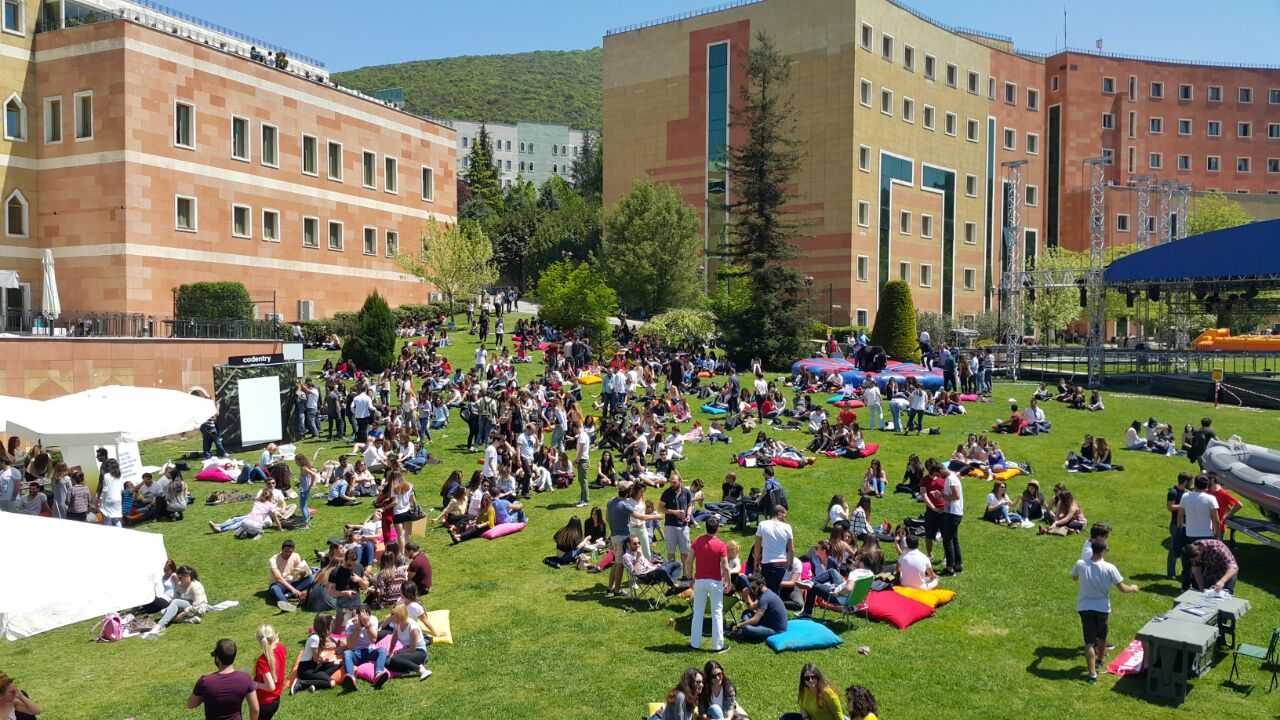
The Education System in Montenegro: Challenges and Progress

postphx.com – The education system in Montenegro has undergone significant transformations in recent years, aiming to align with European standards and meet the challenges of the 21st century. This article provides an analysis of Montenegro’s educational system, highlighting the progress made and the challenges that remain in providing quality education.

Overview of the Education System

Montenegro’s education system is structured into pre-primary, primary, secondary, and tertiary levels. The Ministry of Education, Science, Culture, and Sports oversees the education system, with a focus on improving quality, accessibility, and relevance.

Challenges

  1. Quality and Relevance of Education: One of the main challenges facing Montenegro’s education system is ensuring that the curriculum is up-to-date and relevant to the needs of the modern workforce. There is a need for greater emphasis on critical thinking, digital literacy, and vocational training to prepare students for the future job market .
  2. Infrastructure and Resources: Many schools in Montenegro, particularly in rural areas, lack adequate infrastructure and resources. This includes outdated facilities, insufficient teaching materials, and limited access to technology, which hampers the quality of education .
  3. Teacher Training and Development: The quality of teaching is crucial for student success. However, there are challenges related to the training and professional development of teachers. There is a need for more comprehensive teacher education programs and continuous professional development opportunities to ensure that teachers are equipped with the latest pedagogical methods and skills .
  4. Equity and Access: Ensuring equitable access to quality education for all children, regardless of their socio-economic background, is a significant challenge. Disparities in educational opportunities between urban and rural areas, as well as among different socio-economic groups, persist .

Progress

  1. Curriculum Reform: Montenegro has made progress in reforming its education curriculum to make it more relevant and aligned with European standards. This includes the introduction of new subjects and the integration of digital tools and resources into teaching and learning .
  2. Investment in Infrastructure: The government has invested in upgrading school infrastructure, particularly in rural areas. This includes the construction of new schools, the renovation of existing facilities, and the provision of digital resources and equipment .
  3. Teacher Training Programs: Efforts have been made to improve teacher training and professional development. This includes the introduction of new teacher education programs, the establishment of professional development centers, and the provision of scholarships for teachers to pursue further education .
  4. Increased Access to Education: There has been a focus on increasing access to education for all children, including those from disadvantaged backgrounds. This includes the introduction of scholarships, the provision of free textbooks, and the implementation of inclusive education policies .

Conclusion

The education system in Montenegro faces several challenges, including ensuring the quality and relevance of education, improving infrastructure and resources, enhancing teacher training and development, and promoting equity and access. However, significant progress has been made in addressing these challenges. Continued efforts and investment are needed to build on this progress and ensure that Montenegro’s education system can meet the needs of its students in the 21st century.
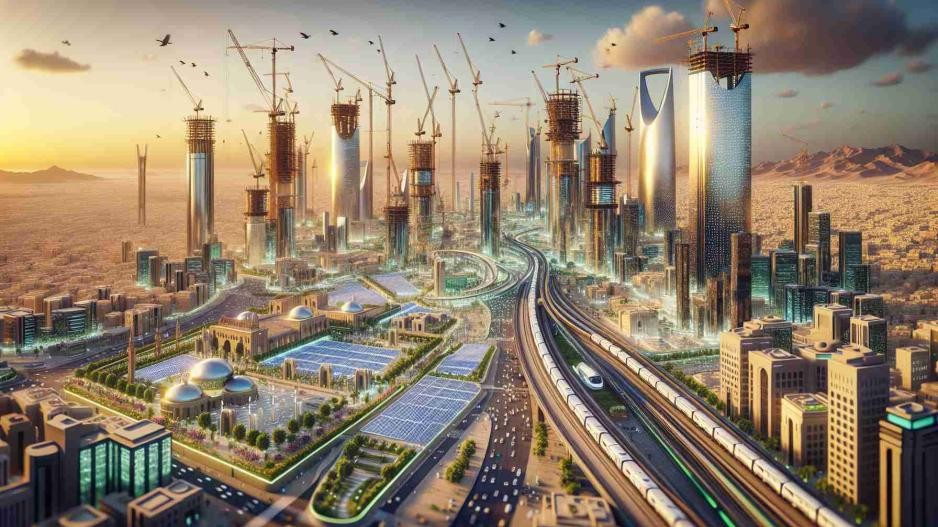
Progress and Challenges: Saudi Arabia’s Economic Transformation

postphx.com – Saudi Arabia’s economic transformation, driven by the ambitious Vision 2030, represents a significant shift from its traditional oil-dependent economy to a more diversified and sustainable growth model. This vision, launched in 2016, aims to reduce the kingdom’s reliance on oil, enhance its economic diversification, and improve its global competitiveness.

Progress

  1. Economic Diversification: The Saudi economy has shown signs of diversification, with non-oil sectors contributing significantly to growth. The non-oil sector’s growth has accelerated since 2021, averaging 4.8% in 2022 and expected to remain close to 5% in 2023, driven by strong domestic demand.
  2. Regulatory and Business Environment Improvements: The Saudi government has introduced new laws to promote entrepreneurship, protect investors’ rights, and reduce the costs of doing business. These reforms have led to a significant increase in new investment deals and licenses, which grew by 95% and 267% respectively in 2022.
  3. Public Investment Fund (PIF): The PIF has been instrumental in stimulating private sector investment and has invested in various sectors, including green hydrogen, catalyst manufacturing, and tech-innovation facilities. It has also supported large-scale projects like the Red Sea global tourism, Qiddiya entertainment city, and the Diriyah Gate heritage development.
  4. Global and Regional Partnerships: Saudi Arabia has expanded its global and regional partnerships, particularly in the areas of technology, manufacturing, and trade, to enhance its economic diversification and sustainabilityo

Challenges

  1. Oil Price Volatility: The Saudi economy remains vulnerable to fluctuations in oil prices, which can impact its fiscal stability and economic growth.
  2. Project Returns and Productivity: Ensuring that large-scale projects generate returns and boost productivity is crucial for sustained economic growth and further diversification. This requires effective project management and a conducive business environment.
  3. Innovation and Workforce Skills: There is a need to foster a more conducive environment for innovation and invest in workforce skills that complement the diversification agenda. This includes streamlining fees and taxes faced by businesses to further boost private sector development.
  4. External and Internal Challenges: The kingdom faces external challenges such as geopolitical tensions and internal challenges like the need for continued reforms to sustain the momentum of Vision 2030.

Conclusion

Saudi Arabia’s economic transformation under Vision 2030 is a multifaceted journey that has seen significant progress but also faces substantial challenges. The kingdom’s commitment to diversification and sustainability is evident in its reforms and investments. However, managing oil price volatility, ensuring project returns, fostering innovation, and addressing external and internal challenges will be key to achieving the long-term goals of Vision 2030. The success of this vision will not only transform the Saudi economy but also have a profound impact on the global economic landscape.

Building a Life as a Married Couple: Partnership and Progress

In the grand tapestry of human relationships, marriage stands out as a unique and profound bond. It is a partnership that, when nurtured with care and intention, can lead to a life filled with shared progress and mutual fulfillment. Building a life together as a married couple is not just about the merging of two individuals; it’s about creating a new entity that thrives on collaboration, compromise, and continuous growth. This article explores the key elements that contribute to a successful partnership and how couples can progress together through the journey of marriage.

1. Communication: The Foundation of Partnership

At the heart of any successful marriage lies effective communication. It is the bedrock upon which trust, understanding, and intimacy are built. Open, honest, and respectful dialogue allows couples to express their needs, desires, fears, and dreams. It fosters a deeper connection and enables partners to navigate life’s challenges together. Learning to listen actively and empathize with each other’s perspectives is crucial. Couples should strive to create a safe space where both individuals feel heard and valued, even when discussing difficult topics.

2. Mutual Respect and Appreciation

Respect is the cornerstone of a healthy partnership. It involves acknowledging and valuing each other’s differences, opinions, and contributions to the relationship. Couples should celebrate their individual strengths and support each other’s personal growth. Expressing gratitude and appreciation for the little things, as well as the big, helps to maintain a positive and loving atmosphere. Recognizing and affirming each other’s efforts, whether they be career achievements, household chores, or emotional support, strengthens the bond and fosters a sense of teamwork.

3. Shared Goals and Dreams

Building a life together requires aligning on common goals and aspirations. This doesn’t mean that individual dreams should be sacrificed; rather, it’s about finding a balance between personal ambitions and shared objectives. Couples should regularly discuss their hopes for the future and work together to create a roadmap that honors both partners’ desires. Whether it’s planning for a family, career advancements, or travel adventures, having shared goals gives the relationship direction and purpose.

4. Embracing Change and Growth

Life is unpredictable, and change is inevitable. A successful partnership is one that is flexible and adaptable. Couples should be open to evolving together and supporting each other through life’s transitions. This might mean making compromises, learning new skills, or stepping out of comfort zones. Growth within a marriage can lead to a deeper connection and a more fulfilling partnership. It’s important to remember that progress is not always linear; there will be ups and downs, but facing them together makes the journey worthwhile.

5. Maintaining Independence

While it’s essential to build a life together, maintaining individuality is also crucial. Encouraging each other to pursue personal interests, hobbies, and friendships outside of the relationship can actually strengthen the bond. It allows partners to bring fresh perspectives and experiences back into the marriage, enriching the shared life. Balancing togetherness with independence ensures that each individual continues to grow and contribute to the partnership in meaningful ways.

Conclusion

Building a life as a married couple is a beautiful, complex, and rewarding endeavor. It requires commitment, effort, and a willingness to grow together. By prioritizing communication, mutual respect, shared goals, adaptability, and independence, couples can create a partnership that not only withstands the test of time but also thrives on the journey. Partnership and progress go hand in hand, and when nurtured with love and intention, marriage can be a source of immense joy and fulfillment.