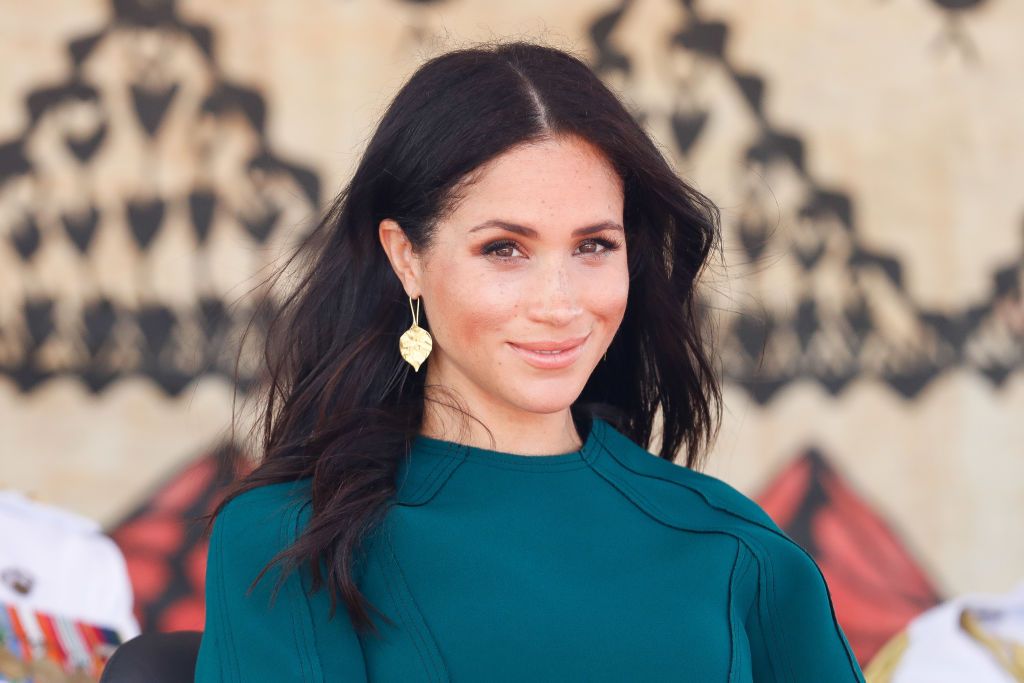
postphx.com – Meghan Markle, known as the Duchess of Sussex, was born Rachel Meghan Markle on August 4, 1981, in Los Angeles, California. Before joining the British royal family, Meghan was already a well-known actress, best recognized for her role in the legal drama Suits. However, her life took a dramatic turn when she married Prince Harry, Duke of Sussex, in 2018. Since then, Meghan has become one of the most prominent and influential figures in the world, known for her advocacy on issues such as gender equality, racial justice, mental health, and environmental sustainability.
Early Life and Career
Meghan was raised in Los Angeles by her mother, Doria Ragland, a social worker, and her father, Thomas Markle Sr., a lighting director for television. Growing up in a mixed-race family, Meghan became aware of the complexities of race and identity from an early age. She attended Northwestern University, where she earned a degree in theatre and international studies, and it was during her time at university that she developed a deep passion for activism and social justice.
Before joining the royal family, Meghan had a successful acting career. She is best known for her role as Rachel Zane on the popular legal drama Suits, a role that helped establish her as a household name. In addition to her acting career, Meghan was also involved in various philanthropic efforts. She worked with several humanitarian organizations, including World Vision and the United Nations Women, advocating for women’s rights and gender equality.
Meeting Prince Harry and Entering Royal Life
Meghan’s life changed forever when she met Prince Harry in 2016. The two were introduced by a mutual friend and quickly developed a close bond. Their relationship grew publicly, culminating in a whirlwind romance that captured the attention of the media and royal fans. The couple announced their engagement in November 2017, and they were married in a spectacular ceremony at St. George’s Chapel at Windsor Castle on May 19, 2018.
Meghan’s marriage to Prince Harry brought her into the spotlight of the British royal family. As the Duchess of Sussex, she became one of the most visible and talked-about members of the royal household. The couple’s marriage was seen as a modern and progressive moment for the royal family, as Meghan, a biracial American actress, brought a fresh perspective to the centuries-old institution. The wedding itself was a symbolic blending of cultures, with nods to Meghan’s African-American heritage, as well as the traditions of the British monarchy.
Advocacy and Charitable Work
As a member of the royal family, Meghan quickly used her platform to champion a wide range of causes. She became an outspoken advocate for women’s rights, gender equality, and mental health, aligning herself with organizations and campaigns that promoted positive change.
One of Meghan’s first major initiatives as a royal was her involvement with the charity Smart Works, which helps women who are unemployed or struggling to get back into the workforce by providing them with clothing, coaching, and professional advice. She has also been a vocal supporter of The Royal Foundation, which she co-founded with Prince Harry, focused on causes like mental health, the empowerment of young people, and conservation efforts.
Meghan’s work on mental health advocacy has been particularly significant. In 2019, she and Prince Harry launched the Heads Together campaign, which aims to reduce the stigma around mental health issues. Meghan’s own experiences with mental health, including her struggles with anxiety and depression, led her to become an advocate for open conversations about mental health.
She has also used her platform to address issues of racial inequality, particularly in the wake of her own experiences with racism within the royal family and the British media. Meghan’s openness about her struggles with racism and her work to support the Black Lives Matter movement have sparked important conversations about race in the UK and beyond.
Stepping Back from Royal Duties
In 2020, Meghan and Prince Harry made the historic decision to step back from their senior royal duties. The couple announced their desire to live a more independent life, balancing their roles as public figures with their commitment to their personal and family life. The decision was controversial, and it led to a series of intense media reports and public scrutiny.
Following their move to North America, Meghan and Harry settled in California, where they focused on building their own foundation, Archewell. The organization is dedicated to advancing social change through a variety of initiatives, including education, health and wellness, and humanitarian work. In addition to their philanthropic efforts, Meghan and Harry signed lucrative deals with media companies like Netflix and Spotify, where they have worked on projects that align with their values of positivity, social justice, and equality.
Meghan has also ventured into other areas, including writing. In 2021, she released her first children’s book, The Bench, which explores the bond between fathers and sons. The book, inspired by her relationship with Harry and their son, Archie, received a warm reception and further solidified Meghan’s status as an influential voice in both the literary and entertainment worlds.
Family Life and Parenting
Meghan and Prince Harry’s decision to step back from royal duties was also motivated by their desire to provide a more private and normal life for their children, Archie Harrison and Lilibet Diana. The couple has worked to create a loving and supportive family environment, one that values privacy and prioritizes their children’s well-being.
Meghan has spoken openly about the joys and challenges of motherhood, as well as the pressures of raising children in the public eye. She has also shared her experiences with miscarriage and her hopes for a more inclusive and compassionate society, particularly when it comes to supporting women and families.
A Legacy of Change and Empowerment
Meghan, Duchess of Sussex, has undeniably left a significant mark on both the royal family and the world. From her advocacy on mental health, women’s rights, and racial equality to her efforts to modernize the monarchy, Meghan’s influence extends far beyond her royal title. She has consistently used her voice and platform to promote causes that matter, even when faced with public criticism and intense media scrutiny.
Her journey from Hollywood actress to royal family member, to independent advocate and philanthropist, has been one of resilience, courage, and determination. Meghan’s impact continues to grow as she focuses on the causes close to her heart, working toward a future where social justice, equality, and empowerment are accessible to all. As the Duchess of Sussex, Meghan has redefined what it means to be a modern royal, and her legacy will continue to inspire generations to come.