The Enigmatic Scarlet Witch: Magic and Mystery

postphx.com – The Marvel Universe is a vast tapestry of superheroes, each possessing unique abilities and captivating stories. Among these characters, the Scarlet Witch stands out as one of the most enigmatic and powerful figures. Known for her incredible magical prowess and complex narrative arc, she has become a fan favorite and a pivotal character in both comic books and the Marvel Cinematic Universe (MCU). This article delves into the fascinating world of the Scarlet Witch, exploring her origins, powers, and significance within the Marvel Universe.

Origins of the Scarlet Witch

The Scarlet Witch, also known as Wanda Maximoff, first appeared in “X-Men” #4 in 1964, created by writer Stan Lee and artist Jack Kirby. Initially introduced as a villain alongside her brother, Quicksilver, Wanda was a member of the Brotherhood of Evil Mutants led by Magneto. Over time, her character evolved, and she became an integral part of the Avengers team.

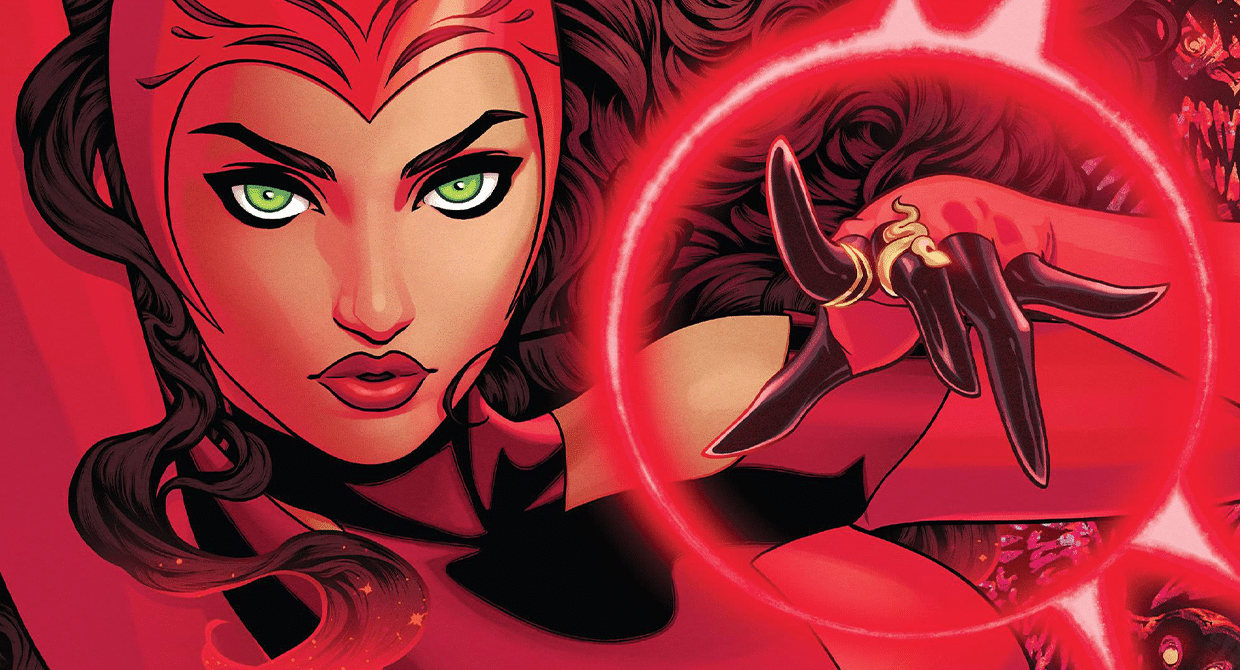
Wanda’s backstory has undergone several revisions, but she is commonly portrayed as a mutant with the ability to manipulate probability through her “hex” powers. In later adaptations, her powers are depicted as more magical in nature, stemming from her inherent connection to chaos magic.

The Evolution of Her Powers

The Scarlet Witch’s powers have always been a subject of intrigue and debate. Initially, her abilities were limited to altering probabilities, causing unlikely events to occur. However, as her character developed, so did her powers. In the comics, she was revealed to possess reality-warping capabilities, making her one of the most formidable beings in the Marvel Universe.

Her association with chaos magic allows her to manipulate time, space, and reality itself. This evolution is showcased in the comic storyline “House of M,” where Wanda famously utters the phrase “No more mutants,” drastically altering the entire Marvel Universe.

The Scarlet Witch in the Marvel Cinematic Universe

The introduction of the Scarlet Witch in the MCU brought her character to a global audience. Portrayed by Elizabeth Olsen, Wanda Maximoff made her first appearance in “Captain America: The Winter Soldier” (2014) in a post-credit scene, and she played a significant role in “Avengers: Age of Ultron” (2015).

The MCU’s interpretation of Wanda’s powers initially focused on telekinesis and mind manipulation. However, as her character arc progressed, her abilities expanded, reflecting her comic book counterpart’s reality-altering powers. The Disney+ series “WandaVision” provided a deeper exploration of her character, highlighting her grief, resilience, and the true extent of her powers as the Scarlet Witch.

Impact and Legacy

The Scarlet Witch’s journey is one of growth, transformation, and complexity. Her character challenges traditional notions of heroism, showcasing the struggles of someone grappling with immense power and personal trauma. This depth has made her a relatable and compelling figure for fans.

Wanda’s influence extends beyond her narrative role. She has become a symbol of empowerment and resilience, inspiring audiences with her strength and determination. Her story continues to evolve, promising more excitement and intrigue in future Marvel projects.

Conclusion

The Scarlet Witch remains one of Marvel’s most intriguing characters, captivating audiences with her mysterious powers and evolving storylines. Her journey from a misunderstood villain to a powerful hero reflects the complexity and richness of the Marvel Universe. As the Scarlet Witch continues to enchant fans with her magical prowess and emotional depth, she undoubtedly retains her place as a cornerstone of the Marvel mythos.
Sephiroth: The One-Winged Angel

postphx.com – Sephiroth, often referred to as “The One-Winged Angel,” is one of the most iconic characters in the world of video games. Known for his striking appearance, complex backstory, and memorable theme music, Sephiroth has become a symbol of the Final Fantasy series and a favorite among fans and gamers worldwide. This article delves into the character’s origins, development, and cultural impact.

Origins and Backstory

Sephiroth first appeared as the main antagonist in “Final Fantasy VII,” released by Square Enix (formerly Square) in 1997. Created by character designer Tetsuya Nomura, Sephiroth was envisioned as a formidable and enigmatic villain. His character is deeply intertwined with the game’s protagonist, Cloud Strife, and the overarching narrative of genetic experimentation and corporate malfeasance.

Born as part of the Shinra Electric Power Company’s SOLDIER program, Sephiroth was subjected to experiments involving the cells of Jenova, an extraterrestrial being. This experimentation granted him superhuman abilities but also led to his mental instability and eventual descent into madness. Sephiroth’s discovery of his origins and perceived betrayal by humanity set him on a path of destruction, ultimately seeking to become a god-like figure by merging with the planet’s energy source.

The One-Winged Angel Persona

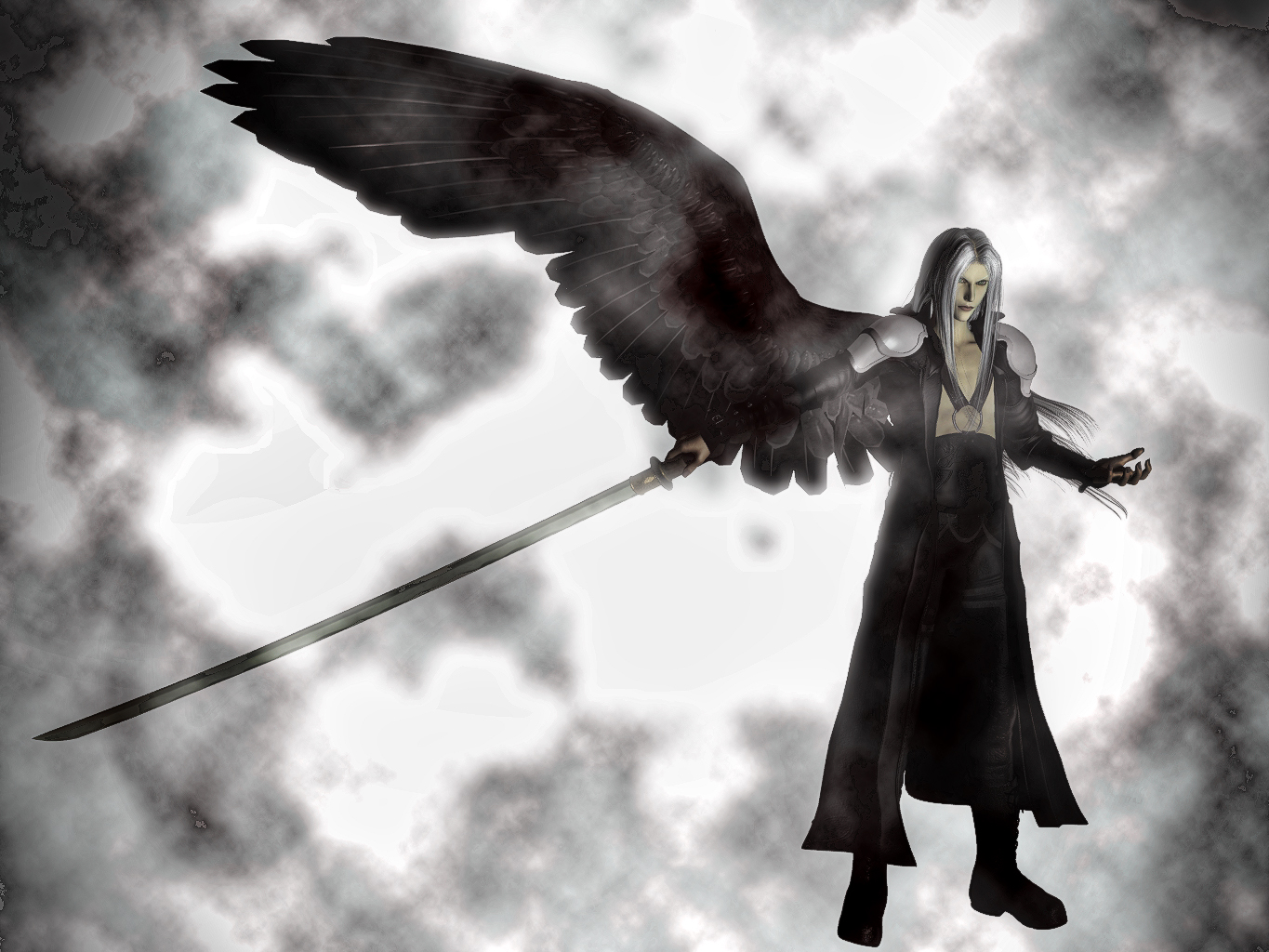
The moniker “The One-Winged Angel” is derived from Sephiroth’s appearance during the final battle in “Final Fantasy VII,” where he manifests a single black wing. This imagery has become synonymous with the character, symbolizing his fall from grace and transformation into a being of immense power and malevolence. The wing also represents his isolation and singularity in his quest for vengeance and domination.

Sephiroth’s theme music, titled “One-Winged Angel,” composed by Nobuo Uematsu, complements this persona. The piece is famous for its orchestral arrangement and choral elements, evoking a sense of grandeur and impending doom. It has since become one of the most recognizable tracks in video game music history.

Cultural Impact and Legacy

Sephiroth’s influence extends beyond the “Final Fantasy” series. He has appeared in various spin-offs, adaptations, and crossover games, including the “Kingdom Hearts” series and “Super Smash Bros. Ultimate.” His character has inspired countless fan art, cosplay, and merchandise, cementing his status as a cultural icon.

The complexity of Sephiroth’s character—his tragic backstory, psychological depth, and imposing presence—continues to captivate audiences. He is often cited as one of the greatest video game villains of all time, serving as a benchmark for character development and storytelling in the gaming industry.

Conclusion

Sephiroth, “The One-Winged Angel,” remains a pivotal figure in the world of video games. His enduring popularity is a testament to the creativity and innovation of the “Final Fantasy” series and its ability to craft memorable and impactful narratives. As gaming continues to evolve, Sephiroth’s legacy as a quintessential antagonist will undoubtedly persist, inspiring future generations of gamers and creators alike.

Voldemort: The Dark Lord – The First Wizarding War

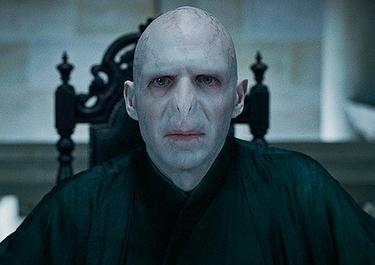
postphx.com – Voldemort, born as Tom Marvolo Riddle, is one of the most infamous characters in the wizarding world, known for his terrifying reign as the Dark Lord. Born on December 31, 1926, to Tom Riddle Sr., a Muggle, and Merope Gaunt, a witch of pure-blood descent, his early life was marred by tragedy and neglect. His mother died shortly after his birth, and he was raised in an orphanage, where he discovered his magical abilities at a young age.

Rise to Power

Tom Riddle’s journey to becoming Voldemort began at Hogwarts School of Witchcraft and Wizardry, where he was sorted into Slytherin House. His exceptional intelligence and charm masked a dark ambition and an obsession with pure-blood supremacy. He delved into the Dark Arts and sought immortality through Horcruxes, splitting his soul into multiple parts to ensure his survival even if his physical form was destroyed.

The First Wizarding War

As Voldemort, he amassed followers known as Death Eaters and instigated the First Wizarding War. His reign was characterized by fear, violence, and the suppression of those who opposed him. He targeted Muggles, Muggle-borns, and any who dared to defy his quest for domination. His influence grew, and many witches and wizards succumbed to his power, either joining him or living in constant fear.

The Prophecy and Downfall

A prophecy foretold by Sybill Trelawney predicted that a child born at the end of July would have the power to vanquish the Dark Lord. This prophecy led Voldemort to target Harry Potter, believing him to be the one who could defeat him. However, his attempt to kill Harry as a baby backfired, resulting in his temporary downfall when his curse rebounded.

Return to Power and the Second Wizarding War

After years of weakened existence, Voldemort regained his physical form and resumed his quest for power, initiating the Second Wizarding War. He infiltrated the Ministry of Magic, controlled Hogwarts, and spread terror across the wizarding world. Despite his efforts, he was ultimately defeated in the Battle of Hogwarts, where Harry Potter, with the help of his friends and allies, destroyed the remaining Horcruxes and vanquished the Dark Lord once and for all.

Legacy

Voldemort’s legacy is one of fear and caution. His actions left a lasting impact on the wizarding world, serving as a reminder of the dangers of unchecked ambition and prejudice. His rise and fall are chronicled as a lesson in the importance of love, friendship, and the courage to stand against tyranny.

The Enigmatic Villain: Catwoman

postphx.com – Catwoman, a complex and captivating villain in the DC Comics universe, has enthralled fans for decades with her multifaceted personality and unpredictable nature. Known for her agility, cunning, and a moral compass that often blurs the lines between right and wrong, Catwoman is a quintessential anti-heroine who defies traditional villain stereotypes.

Origins and Evolution

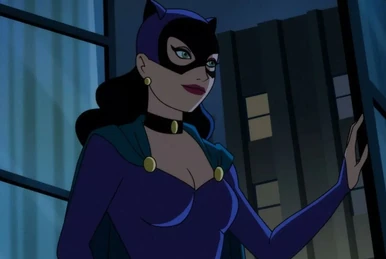
Catwoman, whose real name is Selina Kyle, first appeared in “Batman #1” in 1940. Created by Bob Kane and Bill Finger, she was initially introduced as a jewel thief with a penchant for luxurious and feline-themed attire. Over the years, her character has evolved significantly, transforming from a simple adversary into a richly developed figure with a complex backstory.

Selina’s origins have been explored in various comic book series and adaptations, often depicting her as a survivor of a difficult childhood marked by hardship and struggle. This background adds depth to her character, providing insight into her motivations and the circumstances that led her to a life of crime.

Characteristics and Abilities

Catwoman is renowned for her exceptional physical prowess, acrobatics, and hand-to-hand combat skills. Her agility and reflexes make her a formidable opponent, capable of evading capture and executing daring heists. Additionally, she is a master thief with an uncanny ability to infiltrate and escape heavily secured locations.

Her iconic costume, typically featuring a black catsuit and a whip, symbolizes her feline attributes and her affinity for stealth and precision. Catwoman’s relationship with Batman is one of the most intriguing aspects of her character, often oscillating between adversarial and romantic, adding layers of complexity to her interactions with the Dark Knight.

Moral Ambiguity and Motivations

One of Catwoman’s defining traits is her moral ambiguity. Unlike traditional villains driven by greed or malice, Selina Kyle’s actions are often motivated by personal codes of ethics and a desire to protect those she cares about. Her loyalties shift based on her own principles, making her an unpredictable and compelling character.

Catwoman’s motivations are frequently aligned with social justice themes, as she often targets corrupt individuals and organizations. This aspect of her character positions her as an anti-heroine who challenges societal norms and questions the black-and-white morality often depicted in superhero narratives.

Cultural Impact and Legacy

Catwoman’s influence extends beyond the comic book pages, having been portrayed in various media, including television, film, and animation. Iconic portrayals by actresses such as Julie Newmar, Michelle Pfeiffer, and Anne Hathaway have contributed to her enduring popularity and cultural significance.

Her character has inspired countless interpretations and adaptations, each adding new dimensions to her persona while maintaining her core attributes. Catwoman continues to captivate audiences with her enigmatic nature, serving as a symbol of empowerment, independence, and the complexities of human morality.

Conclusion

Catwoman remains one of the most fascinating and enduring villains in the DC Comics universe. Her intricate personality, moral ambiguity, and dynamic relationship with Batman ensure her place as an iconic and beloved character. As a symbol of resilience and adaptability, Catwoman challenges traditional narratives and invites readers to explore the shades of gray that define the human experience.