Meghan, Duchess of Sussex: A Journey of Activism, Royal Life

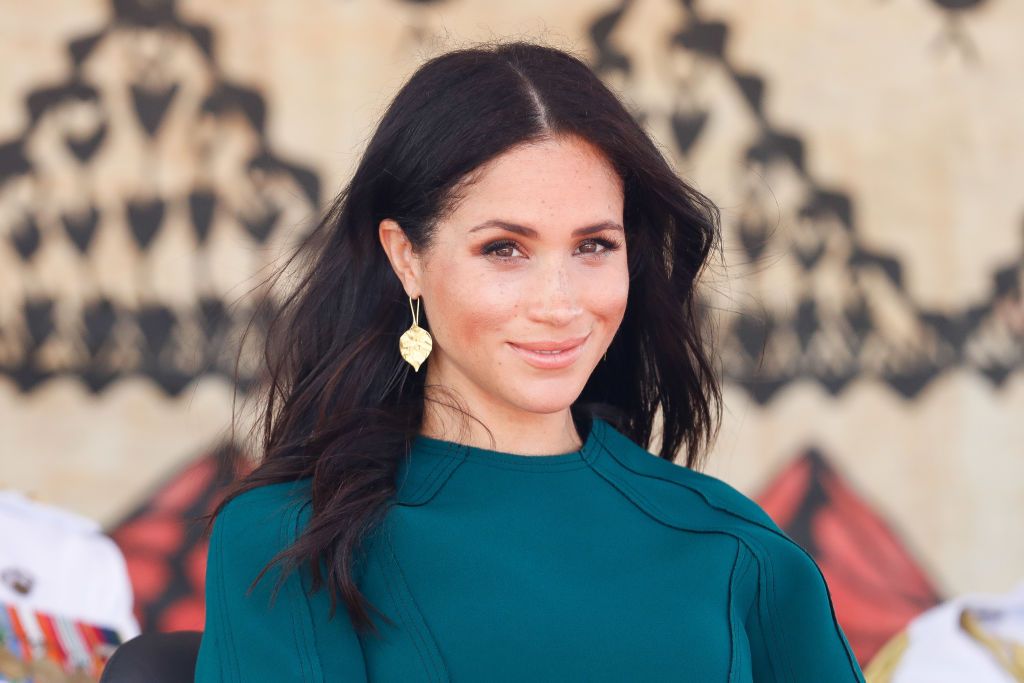
postphx.com – Meghan Markle, known as the Duchess of Sussex, was born Rachel Meghan Markle on August 4, 1981, in Los Angeles, California. Before joining the British royal family, Meghan was already a well-known actress, best recognized for her role in the legal drama Suits. However, her life took a dramatic turn when she married Prince Harry, Duke of Sussex, in 2018. Since then, Meghan has become one of the most prominent and influential figures in the world, known for her advocacy on issues such as gender equality, racial justice, mental health, and environmental sustainability.

Early Life and Career

Meghan was raised in Los Angeles by her mother, Doria Ragland, a social worker, and her father, Thomas Markle Sr., a lighting director for television. Growing up in a mixed-race family, Meghan became aware of the complexities of race and identity from an early age. She attended Northwestern University, where she earned a degree in theatre and international studies, and it was during her time at university that she developed a deep passion for activism and social justice.

Before joining the royal family, Meghan had a successful acting career. She is best known for her role as Rachel Zane on the popular legal drama Suits, a role that helped establish her as a household name. In addition to her acting career, Meghan was also involved in various philanthropic efforts. She worked with several humanitarian organizations, including World Vision and the United Nations Women, advocating for women’s rights and gender equality.

Meeting Prince Harry and Entering Royal Life

Meghan’s life changed forever when she met Prince Harry in 2016. The two were introduced by a mutual friend and quickly developed a close bond. Their relationship grew publicly, culminating in a whirlwind romance that captured the attention of the media and royal fans. The couple announced their engagement in November 2017, and they were married in a spectacular ceremony at St. George’s Chapel at Windsor Castle on May 19, 2018.

Meghan’s marriage to Prince Harry brought her into the spotlight of the British royal family. As the Duchess of Sussex, she became one of the most visible and talked-about members of the royal household. The couple’s marriage was seen as a modern and progressive moment for the royal family, as Meghan, a biracial American actress, brought a fresh perspective to the centuries-old institution. The wedding itself was a symbolic blending of cultures, with nods to Meghan’s African-American heritage, as well as the traditions of the British monarchy.

Advocacy and Charitable Work

As a member of the royal family, Meghan quickly used her platform to champion a wide range of causes. She became an outspoken advocate for women’s rights, gender equality, and mental health, aligning herself with organizations and campaigns that promoted positive change.

One of Meghan’s first major initiatives as a royal was her involvement with the charity Smart Works, which helps women who are unemployed or struggling to get back into the workforce by providing them with clothing, coaching, and professional advice. She has also been a vocal supporter of The Royal Foundation, which she co-founded with Prince Harry, focused on causes like mental health, the empowerment of young people, and conservation efforts.

Meghan’s work on mental health advocacy has been particularly significant. In 2019, she and Prince Harry launched the Heads Together campaign, which aims to reduce the stigma around mental health issues. Meghan’s own experiences with mental health, including her struggles with anxiety and depression, led her to become an advocate for open conversations about mental health.

She has also used her platform to address issues of racial inequality, particularly in the wake of her own experiences with racism within the royal family and the British media. Meghan’s openness about her struggles with racism and her work to support the Black Lives Matter movement have sparked important conversations about race in the UK and beyond.

Stepping Back from Royal Duties

In 2020, Meghan and Prince Harry made the historic decision to step back from their senior royal duties. The couple announced their desire to live a more independent life, balancing their roles as public figures with their commitment to their personal and family life. The decision was controversial, and it led to a series of intense media reports and public scrutiny.

Following their move to North America, Meghan and Harry settled in California, where they focused on building their own foundation, Archewell. The organization is dedicated to advancing social change through a variety of initiatives, including education, health and wellness, and humanitarian work. In addition to their philanthropic efforts, Meghan and Harry signed lucrative deals with media companies like Netflix and Spotify, where they have worked on projects that align with their values of positivity, social justice, and equality.

Meghan has also ventured into other areas, including writing. In 2021, she released her first children’s book, The Bench, which explores the bond between fathers and sons. The book, inspired by her relationship with Harry and their son, Archie, received a warm reception and further solidified Meghan’s status as an influential voice in both the literary and entertainment worlds.

Family Life and Parenting

Meghan and Prince Harry’s decision to step back from royal duties was also motivated by their desire to provide a more private and normal life for their children, Archie Harrison and Lilibet Diana. The couple has worked to create a loving and supportive family environment, one that values privacy and prioritizes their children’s well-being.

Meghan has spoken openly about the joys and challenges of motherhood, as well as the pressures of raising children in the public eye. She has also shared her experiences with miscarriage and her hopes for a more inclusive and compassionate society, particularly when it comes to supporting women and families.

A Legacy of Change and Empowerment

Meghan, Duchess of Sussex, has undeniably left a significant mark on both the royal family and the world. From her advocacy on mental health, women’s rights, and racial equality to her efforts to modernize the monarchy, Meghan’s influence extends far beyond her royal title. She has consistently used her voice and platform to promote causes that matter, even when faced with public criticism and intense media scrutiny.

Her journey from Hollywood actress to royal family member, to independent advocate and philanthropist, has been one of resilience, courage, and determination. Meghan’s impact continues to grow as she focuses on the causes close to her heart, working toward a future where social justice, equality, and empowerment are accessible to all. As the Duchess of Sussex, Meghan has redefined what it means to be a modern royal, and her legacy will continue to inspire generations to come.
Love, Life, and Elephants: An African Love Story

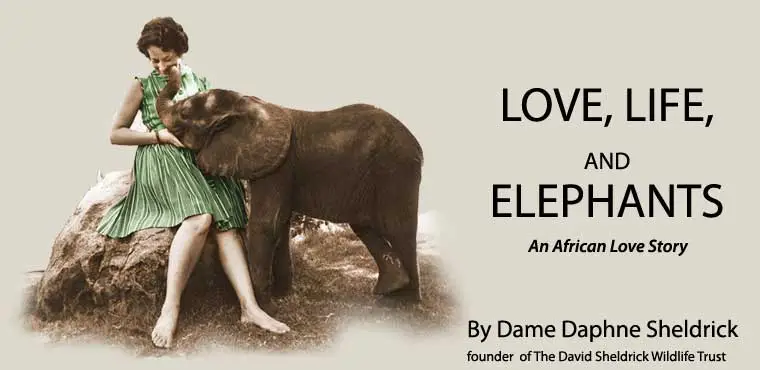
postphx.com – “Love, Life, and Elephants: An African Love Story” is a captivating memoir written by Dame Daphne Sheldrick. This book offers readers an intimate look into the life of one of Africa’s most renowned wildlife conservationists and her profound connection with elephants.

A Journey Through Life and Love

Daphne Sheldrick’s memoir is not just a story about elephants; it is a heartfelt narrative of love and dedication. Born in Kenya, Sheldrick grew up amidst the wonders of the African landscape. Her early experiences in the wild laid the foundation for her lifelong commitment to wildlife conservation, particularly her work with orphaned elephants.

The Elephant Connection

Central to the memoir is Sheldrick’s extraordinary relationship with elephants. She eloquently describes her work at the Tsavo National Park, where she and her husband, David Sheldrick, worked tirelessly to protect and nurture the park’s wildlife. The book delves into the challenges they faced, from poaching to the threat of habitat loss, and their innovative efforts to rehabilitate and release orphaned elephants back into the wild.

Heartfelt Encounters

Sheldrick’s narrative is filled with touching stories of individual elephants, each with its own personality and story. She shares her bond with these gentle giants, highlighting their intelligence, emotions, and the deep connections they form with humans. Her stories illustrate the profound impact these animals had on her life and the lives of those around her.

Life’s Challenges and Triumphs

The memoir also reflects on Sheldrick’s personal life, including her marriage to David Sheldrick and the tragic loss she endured after his untimely death. Despite personal hardships, her unwavering dedication to wildlife conservation never faltered. She continued her work, establishing the David Sheldrick Wildlife Trust, which has become one of the most successful elephant orphanages in the world.

Legacy of Conservation

“Love, Life, and Elephants” is not only a tribute to Sheldrick’s remarkable life and achievements but also a call to action for wildlife conservation. Her story inspires readers to appreciate the beauty of the natural world and recognize the importance of preserving it for future generations.

Conclusion

Daphne Sheldrick’s memoir is a poignant reminder of the power of love, the resilience of life, and the enduring spirit of elephants. Her passionate advocacy for wildlife continues to inspire conservation efforts worldwide, leaving a lasting legacy of hope and compassion.

Leonor, Princess of Spain: Life of Spain’s Future Queen

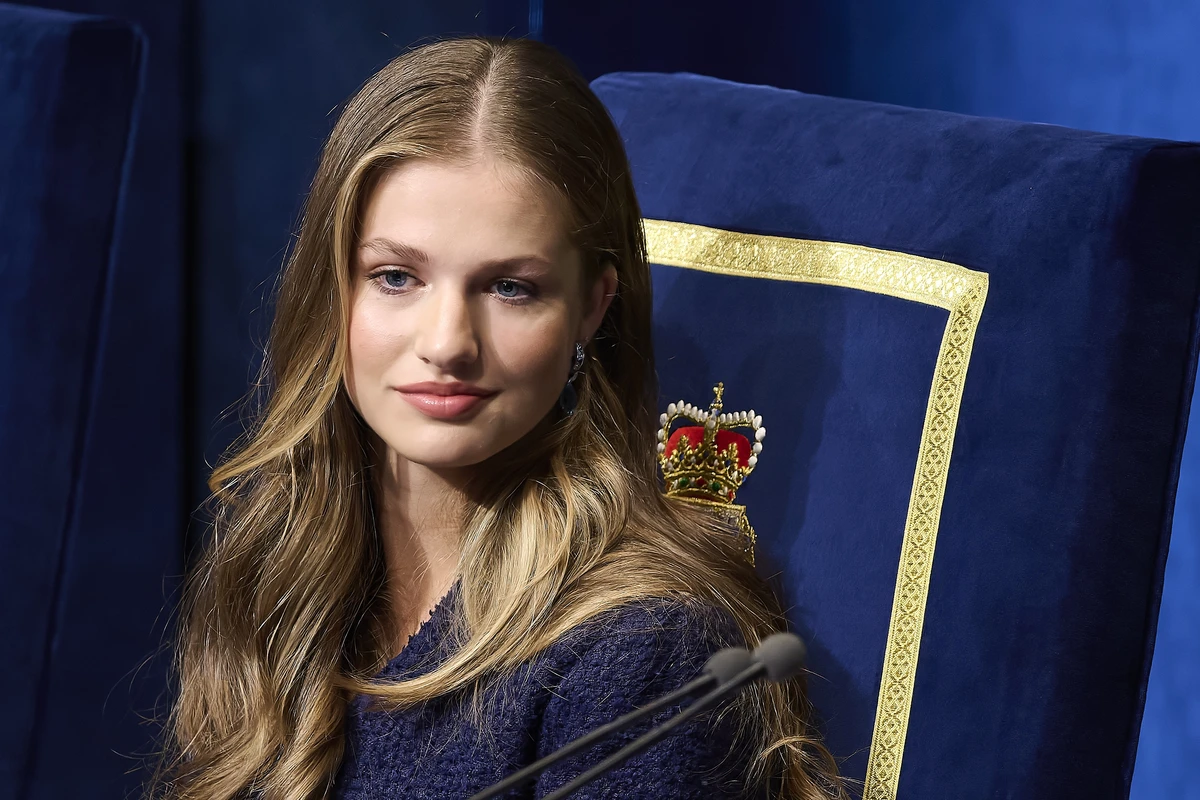
postphx.com – Leonor, Princess of Asturias, born on October 31, 2005, is the eldest daughter of King Felipe VI and Queen Letizia of Spain. As the heir presumptive to the Spanish throne, her life is marked by a blend of royal duties and personal growth.

Early Life and Education

Leonor was born during the reign of her paternal grandfather, King Juan Carlos I, and was introduced to the world on the day of her birth5. Her education began at a young age, starting with the Escuela Infantil Guardia Real, and later she attended the Santa María de los Rosales School in Madrid5. She completed her studies at UWC College in South Wales and then enrolled at the General Military Academy in Zaragoza, following in her father’s footsteps.

Official Roles and Titles

Leonor officially became the Princess of Asturias in 2014, inheriting the title from her father upon his accession to the throne. She also carries other customary titles, including Princess of Girona, Princess of Viana, Duchess of Montblanc, Countess of Cervera, and the Lady of Balaguer.

Public Engagements and International Visits

Leonor has been actively involved in public engagements since a young age. She made her first official visit to the San Javier Air Force base in Murcia at the age of nine5. She has also participated in various royal duties, including Easter Mass, and has made several international trips, focusing on her interest in environmental causes.

Milestone Events

Leonor turned 18 on October 31, 2023, marking a significant milestone in her life. On this occasion, she swore an oath to the constitution at a formal ceremony in Madrid, solidifying her position as the heir presumptive to the Spanish throne.

Personal Life

Despite her public duties, Leonor keeps her personal life private. There have been speculations about her love life, but she has not publicly confirmed any romantic relationships.

Future Role

As the firstborn of King Felipe VI and Queen Letizia, Leonor is poised to become the first Queen regnant of Spain since Isabelle II, whose reign ended in 18686. Her role as the future queen is a significant responsibility that she has been preparing for through her education and public engagements.

Leonor’s journey from a young princess to the heir presumptive of Spain is marked by a balance of royal duties and personal growth. Her dedication to her education and public engagements, along with her preparation for her future role as queen, reflects a commitment to serving her country and continuing the legacy of the Spanish monarchy.

Building a Life as a Married Couple: Partnership and Progress

In the grand tapestry of human relationships, marriage stands out as a unique and profound bond. It is a partnership that, when nurtured with care and intention, can lead to a life filled with shared progress and mutual fulfillment. Building a life together as a married couple is not just about the merging of two individuals; it’s about creating a new entity that thrives on collaboration, compromise, and continuous growth. This article explores the key elements that contribute to a successful partnership and how couples can progress together through the journey of marriage.

1. Communication: The Foundation of Partnership

At the heart of any successful marriage lies effective communication. It is the bedrock upon which trust, understanding, and intimacy are built. Open, honest, and respectful dialogue allows couples to express their needs, desires, fears, and dreams. It fosters a deeper connection and enables partners to navigate life’s challenges together. Learning to listen actively and empathize with each other’s perspectives is crucial. Couples should strive to create a safe space where both individuals feel heard and valued, even when discussing difficult topics.

2. Mutual Respect and Appreciation

Respect is the cornerstone of a healthy partnership. It involves acknowledging and valuing each other’s differences, opinions, and contributions to the relationship. Couples should celebrate their individual strengths and support each other’s personal growth. Expressing gratitude and appreciation for the little things, as well as the big, helps to maintain a positive and loving atmosphere. Recognizing and affirming each other’s efforts, whether they be career achievements, household chores, or emotional support, strengthens the bond and fosters a sense of teamwork.

3. Shared Goals and Dreams

Building a life together requires aligning on common goals and aspirations. This doesn’t mean that individual dreams should be sacrificed; rather, it’s about finding a balance between personal ambitions and shared objectives. Couples should regularly discuss their hopes for the future and work together to create a roadmap that honors both partners’ desires. Whether it’s planning for a family, career advancements, or travel adventures, having shared goals gives the relationship direction and purpose.

4. Embracing Change and Growth

Life is unpredictable, and change is inevitable. A successful partnership is one that is flexible and adaptable. Couples should be open to evolving together and supporting each other through life’s transitions. This might mean making compromises, learning new skills, or stepping out of comfort zones. Growth within a marriage can lead to a deeper connection and a more fulfilling partnership. It’s important to remember that progress is not always linear; there will be ups and downs, but facing them together makes the journey worthwhile.

5. Maintaining Independence

While it’s essential to build a life together, maintaining individuality is also crucial. Encouraging each other to pursue personal interests, hobbies, and friendships outside of the relationship can actually strengthen the bond. It allows partners to bring fresh perspectives and experiences back into the marriage, enriching the shared life. Balancing togetherness with independence ensures that each individual continues to grow and contribute to the partnership in meaningful ways.

Conclusion

Building a life as a married couple is a beautiful, complex, and rewarding endeavor. It requires commitment, effort, and a willingness to grow together. By prioritizing communication, mutual respect, shared goals, adaptability, and independence, couples can create a partnership that not only withstands the test of time but also thrives on the journey. Partnership and progress go hand in hand, and when nurtured with love and intention, marriage can be a source of immense joy and fulfillment.

A Life in the Spotlight: From Stage to Screen

The journey from stage to screen is a storied path that many performers have trodden, each with their unique experiences and tales of transformation. It’s a journey that encapsulates the essence of show business, a world where the spotlight never dims, and the curtain never truly falls. This article delves into the lives of those who have navigated this path, exploring the challenges, the triumphs, and the enduring allure of a life lived in the spotlight.

The Genesis: A Stage Debut

For many, the journey begins on the stage, a place where the immediacy of the audience’s reaction is palpable. The stage is a crucible where performers are forged, learning the craft of acting, singing, or dancing in a setting that demands presence and connection. It’s here, under the bright lights and amidst the roar of applause, that many discover their passion for performance.

The stage offers a unique intimacy, a direct line of communication between the performer and the audience. It’s a space where nuance and subtlety can be as impactful as grand gestures, and where the energy of the crowd can elevate a performance. For those who begin here, the stage is a formative ground, teaching lessons in discipline, timing, and the power of storytelling.

The Transition: From Stage to Screen

The transition from stage to screen is not merely a change of venue but a transformation in the very nature of performance. The screen, whether big or small, demands a different kind of acting. The close-up lens reveals the minutiae of emotion, requiring a performer to delve deep into the subtleties of human behavior.

For stage actors, this transition can be challenging. The broad strokes that play well to a theater audience must be refined, the energy channeled inward. Yet, the skills honed on the stage—the ability to command an audience, the stamina for long hours of performance, and the deep understanding of character—are invaluable assets in the screen world.

The Screen: A New Canvas

The screen offers its own set of opportunities and challenges. The ability to reach a global audience, to tell stories that transcend cultural and geographical boundaries, is a powerful draw. The screen also allows for a diversity of roles and projects, from indie films to blockbuster hits, from episodic television to streaming series.

For performers, the screen offers a chance to collaborate with a wide array of talent, from directors and writers to fellow actors and technicians. Each project is a new adventure, a chance to inhabit different worlds and explore different facets of the human experience.

The Spotlight: A Life in Performance

A life in the spotlight, whether on stage or screen, is one of constant reinvention. It requires resilience, adaptability, and an unwavering passion for the craft. The journey from stage to screen is a testament to the enduring allure of performance, a celebration of the human capacity for storytelling.

Performers who have made this journey speak of the joy of connecting with audiences, of the thrill of stepping into someone else’s shoes, and of the satisfaction of a job well done. They also speak of the sacrifices, the long hours, and the relentless pursuit of excellence.

In the end, a life in the spotlight is about more than fame or fortune. It’s about the love of performance, the desire to move and be moved, to tell stories that resonate and inspire. For those who have chosen this path, the stage and screen are not just places of work but stages of life, each performance a chapter in an ongoing story of dedication, creativity, and the relentless pursuit of art.

Conclusion

From stage to screen, the journey of a performer is one of constant evolution, a life lived in the spotlight. It’s a path marked by challenges and triumphs, by the thrill of the new and the comfort of the familiar. For those who embark on this journey, the stage and screen offer a world of endless possibilities, a canvas on which to paint the stories of a lifetime.

The Life of African Elephants: Majestic Giants

In the vast, sun-drenched landscapes of Africa, few creatures embody the continent’s wild spirit quite like the African elephant. These majestic giants, with their towering presence and profound intelligence, have roamed the savannas, forests, and deserts for millions of years, playing a crucial role in the ecosystems they inhabit. Yet, despite their grandeur, African elephants face numerous challenges in the modern world, from habitat loss to poaching, which threaten their very existence. This article delves into the life of these remarkable animals, exploring their behavior, their significance in the environment, and the efforts to protect them.

The African Elephant: A Giant Among Giants

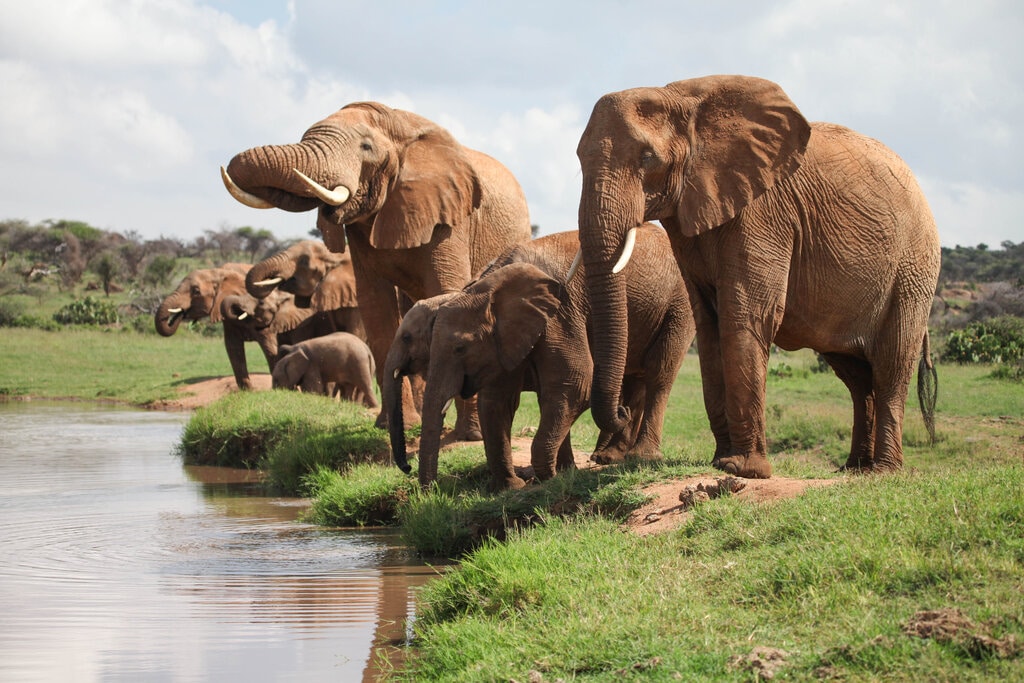
The African elephant (Loxodonta africana) is the largest land animal on Earth, with males often reaching heights of up to 13 feet at the shoulder and weighing up to 6,000 kilograms. Their size is not just for show; it’s a testament to their evolutionary success in navigating the African landscapes. Their large ears, which can measure up to 5 feet in length, serve not only as a means of communication but also as a cooling mechanism in the hot African climate. The trunk, a fusion of the nose and upper lip, is a versatile tool used for breathing, smelling, touching, grasping, and producing sound.

Social Structure and Behavior

African elephants are highly social animals, living in tight-knit matriarchal family groups led by the oldest and often largest female. These groups, known as herds, can range from a few individuals to over 20 members. The strong familial bonds among elephants are evident in their behavior, as they are known to mourn their dead, exhibit joy, and even show signs of empathy and altruism.

Their intelligence is legendary, with elephants capable of problem-solving, using tools, and displaying complex emotions. They communicate over long distances using infrasound, sounds too low for humans to hear, which can travel several kilometers across the savanna.

Environmental Impact and Significance

Elephants play a crucial role in their ecosystems, acting as what is known as a “keystone species.” Their movements and behaviors have a profound impact on the environment and other species. For example, by knocking down trees and trampling vegetation, they create clearings that allow sunlight to reach the forest floor, promoting plant growth and biodiversity. Their foraging habits also help to disperse seeds, contributing to the propagation of various plant species.

Moreover, the water holes they create by digging in dry riverbeds provide a lifeline for numerous other animals during the dry season. In essence, elephants are architects of the landscape, shaping the environment in ways that benefit many species.

Challenges and Conservation Efforts

Despite their ecological importance, African elephants face significant threats. Habitat loss due to human expansion and agriculture is a major concern, as it reduces their living space and access to food and water. Additionally, poaching for ivory and human-wildlife conflict pose serious risks to their survival.

Conservation efforts are underway to protect these majestic giants. International bans on ivory trade, anti-poaching patrols, and community-based conservation programs aim to reduce threats and promote coexistence between humans and elephants. Sanctuaries and national parks provide protected areas where elephants can roam freely and safely.

Conclusion

The African elephant is more than just a symbol of Africa’s wilderness; it is a testament to the beauty and complexity of the natural world. Its survival is not just a matter of preserving a single species but of maintaining the health and diversity of entire ecosystems. As we continue to learn from and coexist with these majestic giants, it is our responsibility to ensure their protection for generations to come. The life of African elephants is a reminder of the delicate balance of nature and the importance of conservation in a rapidly changing world.