The Flavorful Journey of Moroccan Street Food

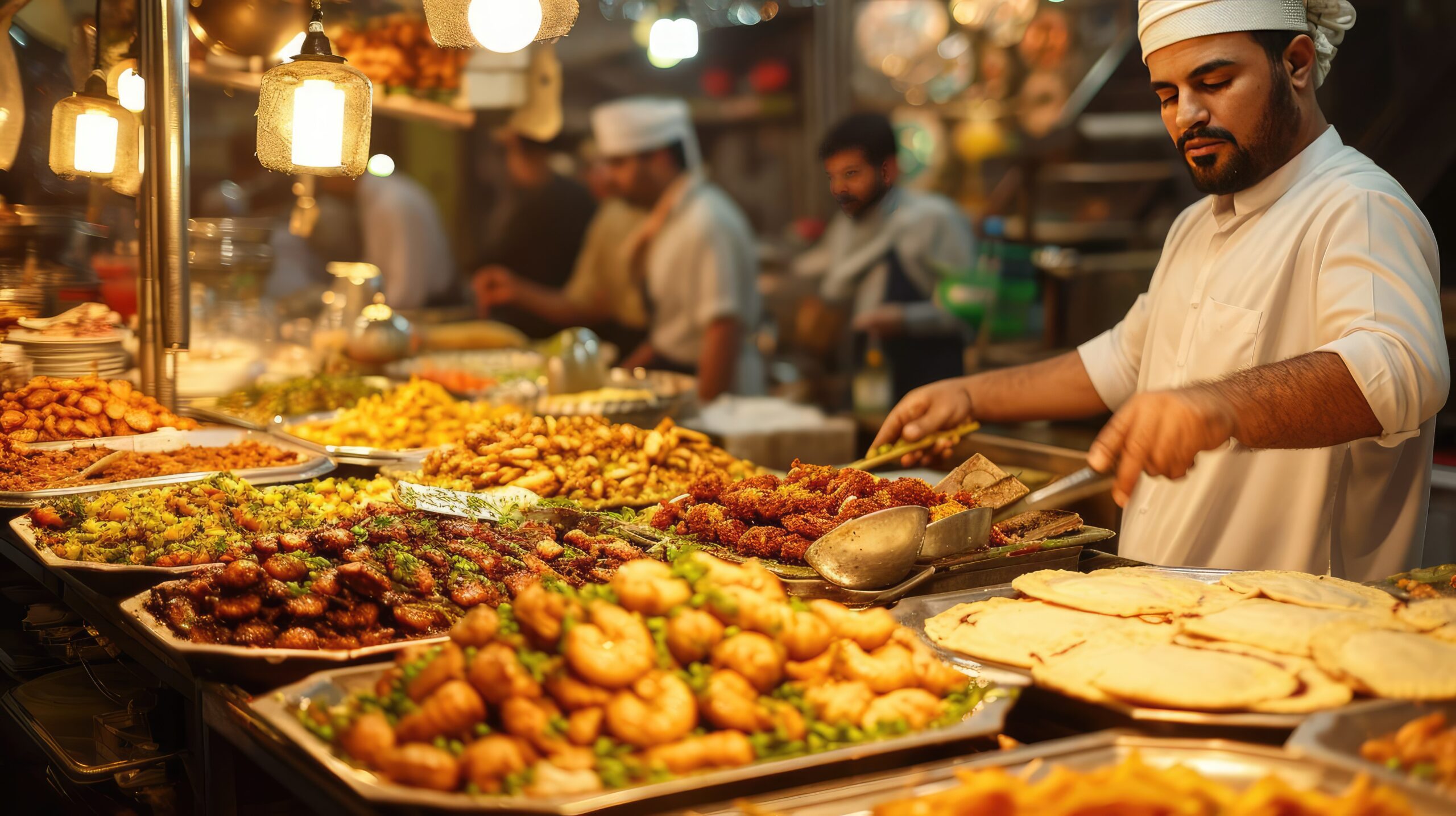
postphx.com – Morocco’s street food scene is a vibrant tapestry of flavors, colors, and aromas that reflect the country’s rich history and diverse cultural influences. From the bustling streets of Marrakech to the coastal avenues of Casablanca, street food in Morocco is more than just a culinary experience; it’s a journey through the heart of the nation’s traditions and social fabric.

The Essence of Moroccan Street Food

Moroccan street food is characterized by its use of fresh, local ingredients and bold spices such as cumin, coriander, saffron, and paprika. Vendors often prepare dishes using traditional methods, ensuring that each bite is a taste of authenticity. The food is typically served in small portions, making it easy to sample a variety of dishes as you wander through the markets and souks.

Must-Try Moroccan Street Food Dishes

  1. Tagine – A slow-cooked stew named after the conical clay pot in which it’s prepared, featuring a variety of meats, vegetables, and spices.
  2. Harira – A hearty soup made with lentils, chickpeas, tomatoes, and a blend of spices, often served with a sprinkle of cilantro and a squeeze of lemon.
  3. Bastilla – A sweet and savory pie made with layers of filo pastry, filled with pigeon or chicken, almonds, cinnamon, and sugar.
  4. Msemen – A Moroccan version of a stuffed pancake, typically filled with butter, sugar, and sometimes cheese, then folded and cooked on a griddle.
  5. Kefta – Skewered meatballs or minced meat, often seasoned with cumin, parsley, and paprika, grilled and served with bread or couscous.

The Social Aspect of Street Food in Morocco

Street food in Morocco is deeply embedded in the social life of its people. It brings communities together, with vendors and customers engaging in friendly banter and sharing stories. Eating street food is also a communal activity, with friends and family gathering to enjoy a meal, making it a perfect way to experience the warmth of Moroccan hospitality.

The Future of Moroccan Street Food

As Morocco continues to embrace modernity, the future of its street food scene remains promising. While traditional dishes remain popular, there is also a growing trend of fusion cuisine, where Moroccan flavors are combined with international influences. Food festivals and pop-up events are becoming more common, showcasing the creativity and innovation within the street food culture.

Conclusion

Moroccan street food is a treasure trove of culinary delights that encapsulate the essence of the country’s culture and history. Whether you’re savoring a spicy tagine or indulging in a sweet bastilla, each bite tells a story of Morocco’s past while hinting at the exciting possibilities of its future. For food enthusiasts and travelers alike, exploring Moroccan street food is an adventure that promises to tantalize the taste buds and warm the soul.
International Street Festivals and Parades: Dance to the Beat

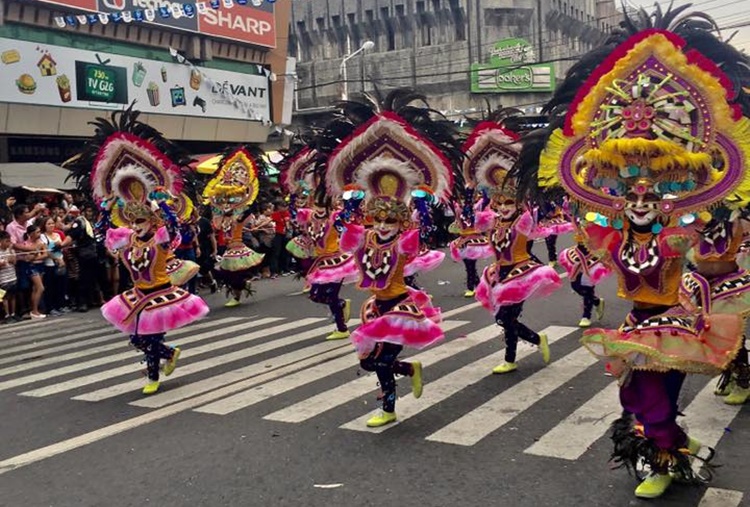
postphx.com – Street festivals and parades are vibrant expressions of culture, community, and creativity. They are celebrations that bring people together, transcending borders and uniting diverse populations through the universal language of dance and music. These events are not just mere gatherings; they are powerful platforms for showcasing heritage, fostering social cohesion, and promoting tourism. Among the myriad of activities that take place, dance often takes center stage, pulsating through the streets and captivating audiences with its rhythm and energy.

The Global Tapestry of Street Festivals

From the samba-filled streets of Rio de Janeiro during Carnival to the colorful Bollywood-style dances at London’s Notting Hill Carnival, street festivals around the world offer a kaleidoscope of cultural experiences. Each festival has its unique flavor, reflecting the history, traditions, and artistic expressions of its community.

In New Orleans, the Mardi Gras parade is a raucous celebration where jazz music and dance merge in a spectacular display of costumes and floats. The festival’s roots can be traced back to the 18th century, showcasing a blend of French, African, and American influences.

The Holi Festival of Colors in India is another vibrant event where dance plays a pivotal role. Participants throw colored powders and water at each other, accompanied by traditional folk songs and dances that celebrate the arrival of spring.

Dance as a Unifying Force

Dance, at the heart of these festivals, serves as a unifying force. It breaks down barriers, encourages participation, and fosters a sense of belonging. Whether it’s the intricate steps of a traditional folk dance or the freestyle movements of a street dance crew, the act of dancing together bridges gaps between people of different ages, backgrounds, and nationalities.

Moreover, dance in street festivals and parades often carries a message. It can be a form of protest, a means of storytelling, or a way to preserve cultural heritage. For example, the Pink Dot SG event in Singapore uses dance and music to advocate for diversity and inclusivity, while the Auckland Diwali Festival in New Zealand showcases the rich traditions of Indian culture through dance and performance.

Economic and Social Impact

Beyond their cultural significance, street festivals and parades have a substantial economic and social impact. They boost local economies by attracting tourists, creating job opportunities, and promoting local businesses. The Rio Carnival alone is estimated to generate millions of dollars in revenue each year.

On the social front, these events contribute to community building and social cohesion. They provide a space for people to come together, share experiences, and celebrate their differences. This sense of unity and belonging is invaluable, especially in today’s increasingly divided world.

Conclusion

International street festivals and parades are more than just celebrations; they are powerful expressions of identity, culture, and community. Through the universal language of dance, they bring people together, fostering understanding, unity, and joy. As we continue to navigate the complexities of our global society, these vibrant events remind us of the importance of coming together, sharing our stories, and dancing to the beat of our collective heart.