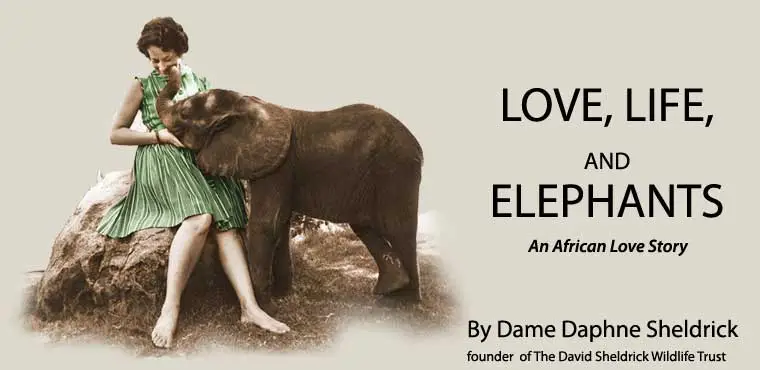
Love, Life, and Elephants: An African Love Story

postphx.com – “Love, Life, and Elephants: An African Love Story” is a captivating memoir written by Dame Daphne Sheldrick. This book offers readers an intimate look into the life of one of Africa’s most renowned wildlife conservationists and her profound connection with elephants.

A Journey Through Life and Love

Daphne Sheldrick’s memoir is not just a story about elephants; it is a heartfelt narrative of love and dedication. Born in Kenya, Sheldrick grew up amidst the wonders of the African landscape. Her early experiences in the wild laid the foundation for her lifelong commitment to wildlife conservation, particularly her work with orphaned elephants.

The Elephant Connection

Central to the memoir is Sheldrick’s extraordinary relationship with elephants. She eloquently describes her work at the Tsavo National Park, where she and her husband, David Sheldrick, worked tirelessly to protect and nurture the park’s wildlife. The book delves into the challenges they faced, from poaching to the threat of habitat loss, and their innovative efforts to rehabilitate and release orphaned elephants back into the wild.

Heartfelt Encounters

Sheldrick’s narrative is filled with touching stories of individual elephants, each with its own personality and story. She shares her bond with these gentle giants, highlighting their intelligence, emotions, and the deep connections they form with humans. Her stories illustrate the profound impact these animals had on her life and the lives of those around her.

Life’s Challenges and Triumphs

The memoir also reflects on Sheldrick’s personal life, including her marriage to David Sheldrick and the tragic loss she endured after his untimely death. Despite personal hardships, her unwavering dedication to wildlife conservation never faltered. She continued her work, establishing the David Sheldrick Wildlife Trust, which has become one of the most successful elephant orphanages in the world.

Legacy of Conservation

“Love, Life, and Elephants” is not only a tribute to Sheldrick’s remarkable life and achievements but also a call to action for wildlife conservation. Her story inspires readers to appreciate the beauty of the natural world and recognize the importance of preserving it for future generations.

Conclusion

Daphne Sheldrick’s memoir is a poignant reminder of the power of love, the resilience of life, and the enduring spirit of elephants. Her passionate advocacy for wildlife continues to inspire conservation efforts worldwide, leaving a lasting legacy of hope and compassion.
The Life of African Elephants: Majestic Giants

In the vast, sun-drenched landscapes of Africa, few creatures embody the continent’s wild spirit quite like the African elephant. These majestic giants, with their towering presence and profound intelligence, have roamed the savannas, forests, and deserts for millions of years, playing a crucial role in the ecosystems they inhabit. Yet, despite their grandeur, African elephants face numerous challenges in the modern world, from habitat loss to poaching, which threaten their very existence. This article delves into the life of these remarkable animals, exploring their behavior, their significance in the environment, and the efforts to protect them.

The African Elephant: A Giant Among Giants

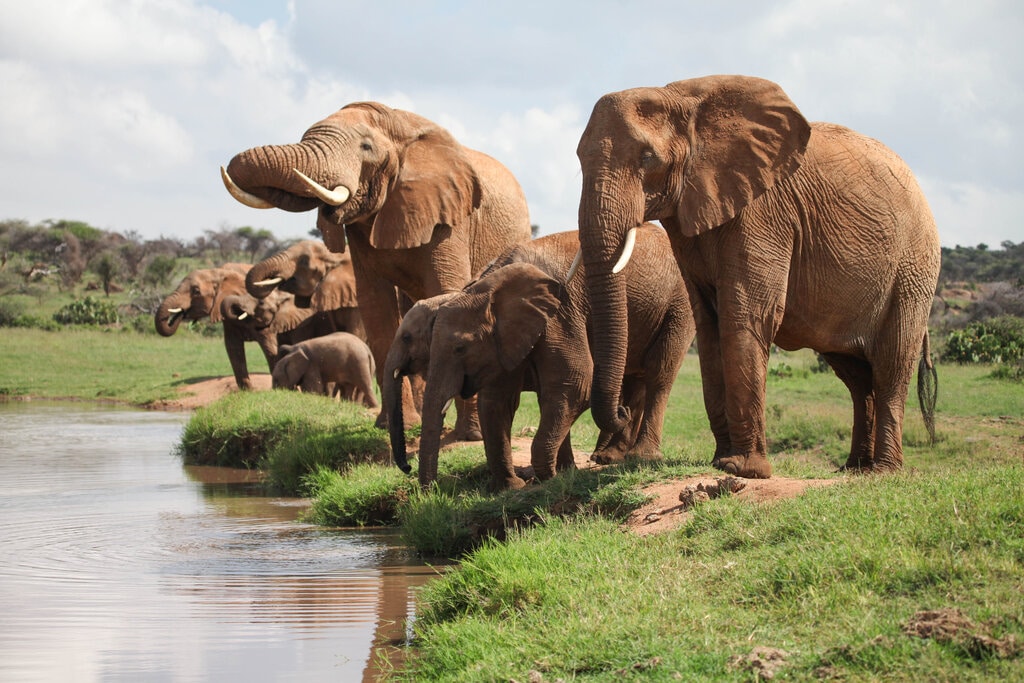
The African elephant (Loxodonta africana) is the largest land animal on Earth, with males often reaching heights of up to 13 feet at the shoulder and weighing up to 6,000 kilograms. Their size is not just for show; it’s a testament to their evolutionary success in navigating the African landscapes. Their large ears, which can measure up to 5 feet in length, serve not only as a means of communication but also as a cooling mechanism in the hot African climate. The trunk, a fusion of the nose and upper lip, is a versatile tool used for breathing, smelling, touching, grasping, and producing sound.

Social Structure and Behavior

African elephants are highly social animals, living in tight-knit matriarchal family groups led by the oldest and often largest female. These groups, known as herds, can range from a few individuals to over 20 members. The strong familial bonds among elephants are evident in their behavior, as they are known to mourn their dead, exhibit joy, and even show signs of empathy and altruism.

Their intelligence is legendary, with elephants capable of problem-solving, using tools, and displaying complex emotions. They communicate over long distances using infrasound, sounds too low for humans to hear, which can travel several kilometers across the savanna.

Environmental Impact and Significance

Elephants play a crucial role in their ecosystems, acting as what is known as a “keystone species.” Their movements and behaviors have a profound impact on the environment and other species. For example, by knocking down trees and trampling vegetation, they create clearings that allow sunlight to reach the forest floor, promoting plant growth and biodiversity. Their foraging habits also help to disperse seeds, contributing to the propagation of various plant species.

Moreover, the water holes they create by digging in dry riverbeds provide a lifeline for numerous other animals during the dry season. In essence, elephants are architects of the landscape, shaping the environment in ways that benefit many species.

Challenges and Conservation Efforts

Despite their ecological importance, African elephants face significant threats. Habitat loss due to human expansion and agriculture is a major concern, as it reduces their living space and access to food and water. Additionally, poaching for ivory and human-wildlife conflict pose serious risks to their survival.

Conservation efforts are underway to protect these majestic giants. International bans on ivory trade, anti-poaching patrols, and community-based conservation programs aim to reduce threats and promote coexistence between humans and elephants. Sanctuaries and national parks provide protected areas where elephants can roam freely and safely.

Conclusion

The African elephant is more than just a symbol of Africa’s wilderness; it is a testament to the beauty and complexity of the natural world. Its survival is not just a matter of preserving a single species but of maintaining the health and diversity of entire ecosystems. As we continue to learn from and coexist with these majestic giants, it is our responsibility to ensure their protection for generations to come. The life of African elephants is a reminder of the delicate balance of nature and the importance of conservation in a rapidly changing world.