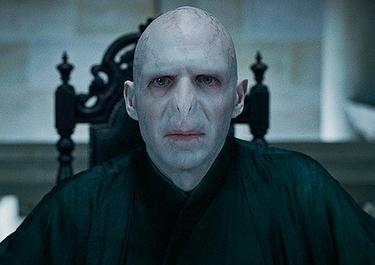
Voldemort: The Dark Lord – The First Wizarding War

postphx.com – Voldemort, born as Tom Marvolo Riddle, is one of the most infamous characters in the wizarding world, known for his terrifying reign as the Dark Lord. Born on December 31, 1926, to Tom Riddle Sr., a Muggle, and Merope Gaunt, a witch of pure-blood descent, his early life was marred by tragedy and neglect. His mother died shortly after his birth, and he was raised in an orphanage, where he discovered his magical abilities at a young age.

Rise to Power

Tom Riddle’s journey to becoming Voldemort began at Hogwarts School of Witchcraft and Wizardry, where he was sorted into Slytherin House. His exceptional intelligence and charm masked a dark ambition and an obsession with pure-blood supremacy. He delved into the Dark Arts and sought immortality through Horcruxes, splitting his soul into multiple parts to ensure his survival even if his physical form was destroyed.

The First Wizarding War

As Voldemort, he amassed followers known as Death Eaters and instigated the First Wizarding War. His reign was characterized by fear, violence, and the suppression of those who opposed him. He targeted Muggles, Muggle-borns, and any who dared to defy his quest for domination. His influence grew, and many witches and wizards succumbed to his power, either joining him or living in constant fear.

The Prophecy and Downfall

A prophecy foretold by Sybill Trelawney predicted that a child born at the end of July would have the power to vanquish the Dark Lord. This prophecy led Voldemort to target Harry Potter, believing him to be the one who could defeat him. However, his attempt to kill Harry as a baby backfired, resulting in his temporary downfall when his curse rebounded.

Return to Power and the Second Wizarding War

After years of weakened existence, Voldemort regained his physical form and resumed his quest for power, initiating the Second Wizarding War. He infiltrated the Ministry of Magic, controlled Hogwarts, and spread terror across the wizarding world. Despite his efforts, he was ultimately defeated in the Battle of Hogwarts, where Harry Potter, with the help of his friends and allies, destroyed the remaining Horcruxes and vanquished the Dark Lord once and for all.

Legacy

Voldemort’s legacy is one of fear and caution. His actions left a lasting impact on the wizarding world, serving as a reminder of the dangers of unchecked ambition and prejudice. His rise and fall are chronicled as a lesson in the importance of love, friendship, and the courage to stand against tyranny.
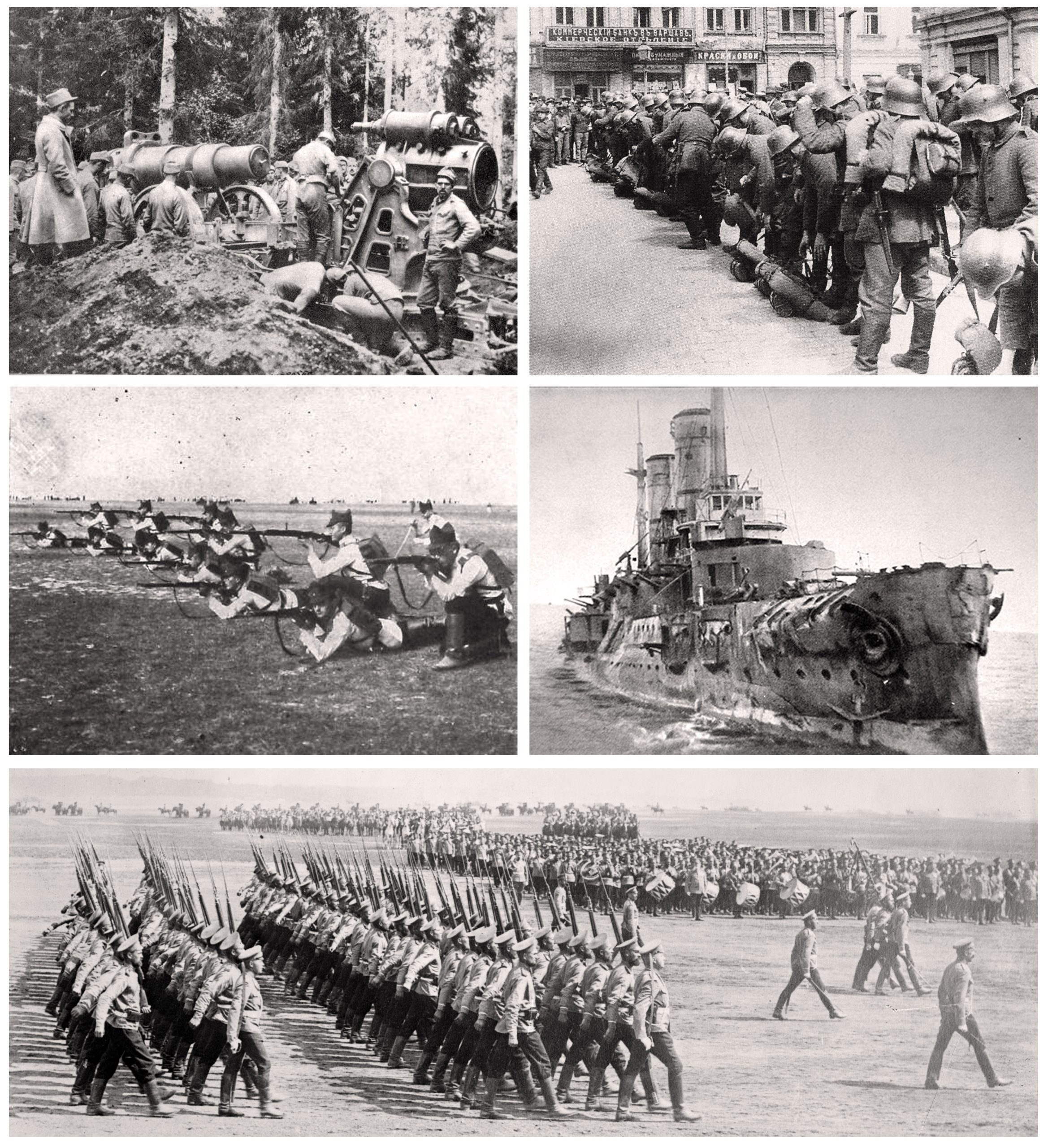
World War I: The Collapse of Empires and The Eastern Front

postphx.com – The Eastern Front of World War I, stretching from the Baltic Sea in the north to the Black Sea in the south, was a vast and brutal theater of conflict that played a pivotal role in the collapse of empires and the reshaping of the European map. This front involved the Russian Empire, the Austro-Hungarian Empire, the German Empire, the Ottoman Empire, and, to a lesser extent, the Kingdom of Romania and the Kingdom of Bulgaria. The Eastern Front was characterized by massive armies, extensive territories, and significant human and material losses.

The Opening Moves

The Eastern Front opened in August 1914 with the German Empire executing the Schlieffen Plan, aiming to knock France out of the war quickly before turning its full attention to Russia. However, the plan’s failure at the Marne allowed Russia to mobilize its forces more effectively than anticipated. The Austro-Hungarian Empire, meanwhile, struggled against Serbia and later faced the Russian advance into Galicia.

The Brutality and Scale of the Eastern Front

The Eastern Front was marked by its vast scale and the immense human suffering it caused. Battles often involved millions of soldiers, and the front stretched over thousands of kilometers. The conditions were harsh, with soldiers facing not only enemy fire but also extreme weather conditions, from the bitter cold of the Russian winter to the scorching heat of the summer.

The Eastern Front saw some of the war’s most significant battles, including the Battle of Tannenberg (1914), where the German forces decisively defeated the Russian Army, and the Brusilov Offensive (1916), a massive Russian attack that, while initially successful, ultimately led to heavy losses on both sides.

The Collapse of Empires

The strain of the war on the Eastern Front contributed significantly to the collapse of the empires involved. The Russian Empire was the first to succumb, with the strain of the war exacerbating internal tensions that led to the February Revolution in 1917, which overthrew the Tsarist regime. The provisional government that followed continued the war effort, leading to further discontent and ultimately the Bolshevik Revolution in October 1917. The new Bolshevik government, led by Vladimir Lenin, signed the Treaty of Brest-Litovsk in March 1918, taking Russia out of the war.

The Austro-Hungarian Empire was also severely weakened by the war, facing nationalist uprisings and economic collapse. By the end of the war, the empire disintegrated into several independent nations.

The Ottoman Empire, already in decline before the war, faced multiple fronts and internal strife. The empire’s defeat in the war led to its dissolution and the establishment of the modern Republic of Turkey under Mustafa Kemal Atatürk.

Conclusion

The Eastern Front of World War I was a crucible that tested the might and endurance of empires. The immense human and material cost of the conflict contributed to the collapse of the Russian, Austro-Hungarian, and Ottoman Empires, reshaping the political landscape of Europe and the Middle East. The war’s aftermath saw the emergence of new nations and the beginning of a new era in global history, marked by the rise of nation-states and the decline of imperial powers. The Eastern Front’s legacy is a testament to the profound impact of World War I on the course of the 20th century.