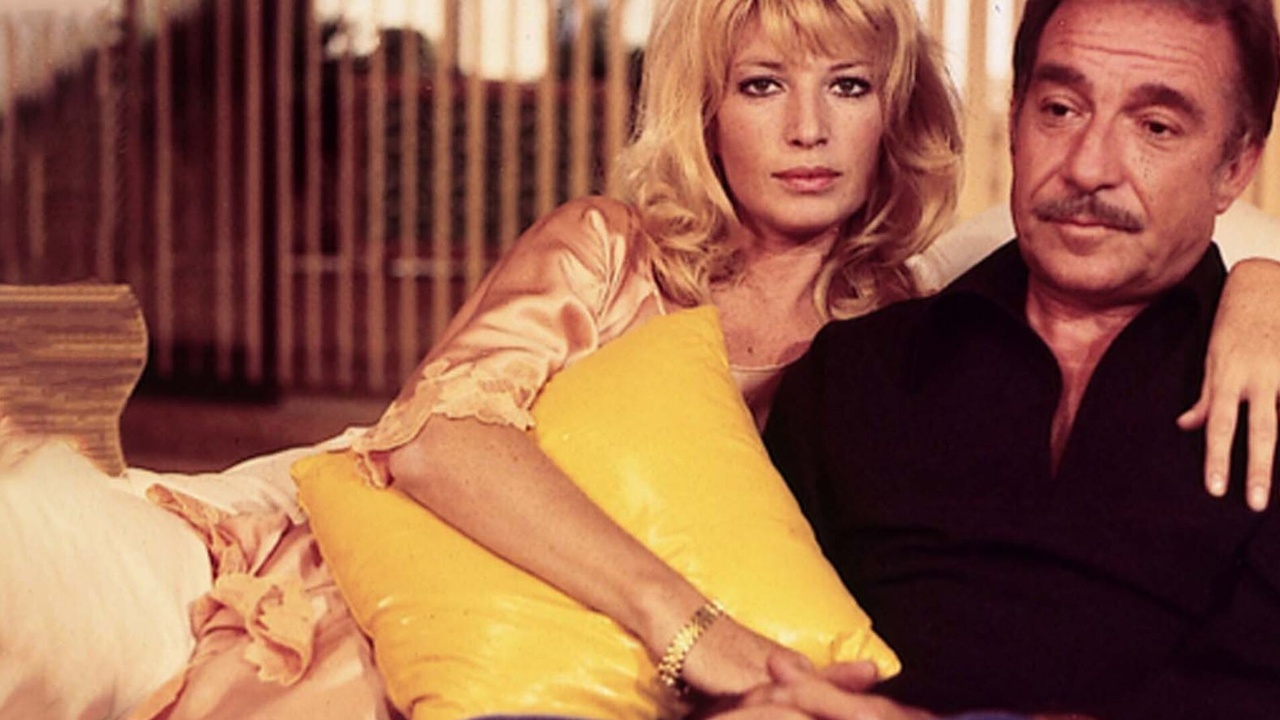
Duck in Orange Sauce (1975): A Comedy of Love & Marriage

postphx.com“Duck in Orange Sauce” (original title: “L’anatra all’arancia”), directed by Luciano Salce, is a 1975 Italian comedy that captures the sophisticated and often absurd dynamics of love, jealousy, and marital gamesmanship. Based on a French play by William Douglas-Home and Marc-Gilbert Sauvajon, the film mixes farce with witty dialogue, making it a delightful romp through the romantic entanglements of the upper class. With memorable performances by Monica Vitti, Ugo Tognazzi, and Barbara Bouchet, this film remains a quintessential example of Italian comedy during the 1970s.

Plot Overview

The story centers on Livio Stefani (Ugo Tognazzi), a charming yet philandering businessman, and his glamorous wife, Lisa (Monica Vitti), whose marriage has hit a rocky patch. Livio suspects that Lisa has fallen for a handsome Frenchman named Jean-Claude (John Richardson) and plots to win her back by using jealousy as a weapon.

Instead of confronting her, Livio invites Jean-Claude to their villa for a weekend getaway, where he also brings his young and seductive mistress, Patrizia (Barbara Bouchet). What follows is a comedic battle of wits and seduction, as Livio tries to outdo his rival while maintaining a façade of nonchalance. The film is filled with witty repartee, misunderstandings, and carefully planned schemes, as each character tries to get the upper hand in the complicated love quadrangle.

Comedy of Marital Games

“Duck in Orange Sauce” is a classic comedy of manners, centered around the games people play in love and marriage. The characters engage in a series of manipulations, flirtations, and deceptions, but it’s all done with a light, playful touch. At its heart, the film explores the idea of rekindling passion in a marriage that has lost its spark. Instead of dealing with their issues directly, Livio and Lisa use jealousy and romantic competition as tools to reignite the flames.

The film’s title, “Duck in Orange Sauce,” becomes a metaphor for this idea of presenting something familiar in a new and enticing way. Just as the traditional dish is given a sweet, zesty twist, the couple’s relationship is spiced up by the introduction of jealousy and playful rivalry.

Performances: Ugo Tognazzi and Monica Vitti Shine

The success of the film largely rests on the comedic talents of Ugo Tognazzi and Monica Vitti, two of Italy’s most beloved actors. Tognazzi, with his impeccable timing and ability to balance suave charm with bumbling frustration, delivers a standout performance as Livio. His character’s attempts to outwit Jean-Claude and win back his wife without openly acknowledging his own insecurities provide much of the film’s humor.

Monica Vitti, known for her work in both serious dramas and comedies, brings depth and wit to Lisa. While Lisa appears cool and collected, Vitti expertly conveys the nuances of a woman who is tired of her husband’s infidelities yet intrigued by his sudden determination to win her back. Vitti and Tognazzi have palpable chemistry, making their banter and romantic tension both believable and entertaining.

Barbara Bouchet and John Richardson round out the cast, playing the respective rivals with equal parts charm and allure. Bouchet’s portrayal of the seductive Patrizia adds a layer of comedic tension, as her presence further complicates the already delicate situation.

A Stylish Comedy of the 1970s

“Duck in Orange Sauce” is a film that perfectly encapsulates the stylish and breezy tone of 1970s Italian cinema. The setting—a luxurious villa—provides a picturesque backdrop for the farcical events, and the characters’ fashionable clothing and lifestyle reflect the affluent, cosmopolitan world they inhabit.

The film’s visual style, combined with its sharp dialogue, creates a sophisticated atmosphere reminiscent of the elegant comedies of earlier decades, while also incorporating the more liberated attitudes toward love and relationships that were becoming prevalent in the 1970s.

The direction by Luciano Salce, who had a talent for balancing humor with sophistication, ensures that the film remains lighthearted and fast-paced, even as the characters’ schemes become more elaborate. The witty script, coupled with clever sight gags and physical comedy, keeps the audience engaged, while the romantic tension adds an emotional layer to the humor.

Themes: Love, Jealousy, and Renewal

At its core, “Duck in Orange Sauce” is a film about the complexities of love and the lengths people will go to maintain or reignite passion in their relationships. Livio’s jealousy, despite his own infidelities, highlights the fragile ego that often accompanies romantic love. Meanwhile, Lisa’s flirtation with Jean-Claude serves as both a test of her marriage and a means of asserting her own independence in a relationship where she feels taken for granted.

The film also touches on the idea of renewal in love—how even long-term relationships require a fresh perspective and effort to remain vibrant. Livio’s elaborate scheme to make his wife jealous, while rooted in manipulation, ultimately leads to a deeper understanding between the two, suggesting that sometimes even the most dysfunctional tactics can bring a couple closer.

Legacy and Reception

While “Duck in Orange Sauce” may not be as internationally renowned as other Italian comedies from the 1970s, it has gained a loyal following over the years, particularly among fans of Ugo Tognazzi and Monica Vitti. The film’s blend of sophisticated humor, romantic intrigue, and lighthearted farce makes it a timeless piece of entertainment.

Today, it is appreciated not only for its witty take on love and marriage but also as a snapshot of Italian cinema during a period when filmmakers were exploring more liberated and modern themes in relationships. The film’s playful take on jealousy, seduction, and reconciliation continues to resonate with audiences, making “Duck in Orange Sauce” a charming and enduring example of Italian comedic cinema.

Irina Palm: A Touching Tale of Love and Sacrifice

postphx.com – Sam Garbarski’s Irina Palm is a heartwarming and unexpected tale of a middle-aged woman who takes on an unconventional job to save her grandson’s life. The film, starring the iconic Marianne Faithfull, is a poignant exploration of love, sacrifice, and the complexities of family relationships.   

A Grandmother’s Love Knows No Bounds

The film centers around Maggie, a seemingly ordinary woman living a quiet life in suburban London. When her beloved grandson falls seriously ill, she is faced with a devastating dilemma. The cost of his life-saving treatment is far beyond her means, and the traditional avenues for raising funds seem futile. Desperate to save her grandson, Maggie makes a bold decision to take on a job as a sex worker at a local club, adopting the pseudonym “Irina Palm.”   

A Unique and Unexpected Transformation

Irina Palm is a poignant exploration of the human spirit and the lengths to which people will go for love. Marianne Faithfull delivers a remarkable performance as Maggie, capturing the character’s vulnerability, resilience, and newfound confidence. Her portrayal of a woman who defies societal expectations and embraces her sexuality is both inspiring and empowering.

A Touch of Humor and Heart

While the film tackles serious themes, it also manages to maintain a sense of humor and warmth. The screenplay, written by Martin Herron and Philippe Blasband, is filled with witty dialogue and unexpected twists. The supporting cast, including Miki Manojlovic as the charming club owner, adds depth and humor to the story.   

A Cinematic Gem

Irina Palm is a cinematic gem that deserves to be discovered. It is a film that challenges stereotypes and celebrates the power of human connection. Whether you’re a fan of foreign films or simply looking for a heartwarming story, Irina Palm is sure to leave a lasting impression.

A Testament to the Power of Love

Ultimately, Irina Palm is a testament to the power of love and the lengths to which a person will go to protect their loved ones. It is a film that reminds us of the importance of compassion, understanding, and the enduring bonds of family.

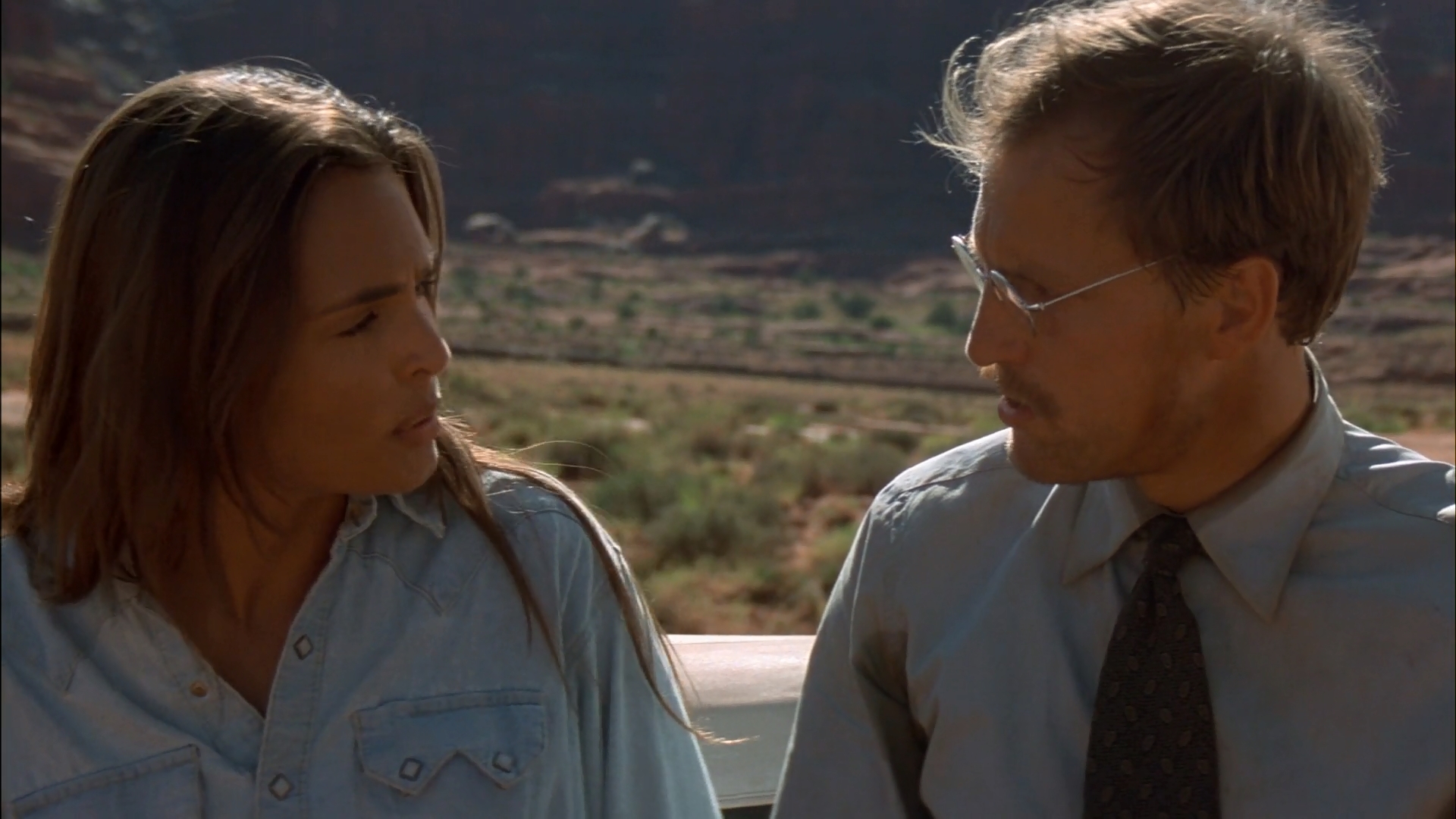
“Sunchaser” (1996):A Road Trip to Self-Discovery

postphx.com – Michael Cimino’s 1996 film, “Sunchaser,” is a unique blend of road movie, drama, and spiritual quest. Starring Woody Harrelson and Jon Seda, the film follows an unexpected journey across the American Southwest that challenges conventional notions of health, spirituality, and the meaning of life.   

An Unlikely Duo

The film introduces us to Dr. Michael Roberts, a successful and self-absorbed oncologist, and Blue, a young, terminally ill Native American man. Blue, having escaped from a juvenile detention center, kidnaps Dr. Roberts and forces him to embark on a cross-country road trip to a mystical mountain where Blue believes he can find a cure.   

A Transformation Begins

As the two unlikely companions travel together, they engage in deep conversations about life, death, and spirituality. Dr. Roberts, initially resistant and cynical, is gradually drawn into Blue’s world of mysticism and alternative healing. The journey becomes a catalyst for personal growth and transformation, forcing the doctor to confront his own materialistic and superficial lifestyle.

A Visual and Spiritual Odyssey

“Sunchaser” is a visually stunning film, capturing the vast and awe-inspiring landscapes of the American Southwest. The cinematography highlights the stark beauty of the desert, mountains, and canyons, mirroring the characters’ internal journeys.

The film delves into themes of faith, hope, and the power of human connection. It explores the tension between traditional medicine and alternative healing practices, while also questioning the nature of reality and the search for meaning.

A Polarizing Film

Despite its intriguing premise and stunning visuals, “Sunchaser” is a polarizing film. Some critics praised its ambitious storytelling and strong performances, while others criticized its uneven pacing and unconventional narrative.

However, the film’s unique blend of drama, road movie, and spiritual quest has garnered a cult following over the years. It remains a thought-provoking and visually striking film that invites viewers to consider the deeper questions of life and existence.

The Cook, the Thief, His Wife & Her Lover: A Dark Culinary Tale

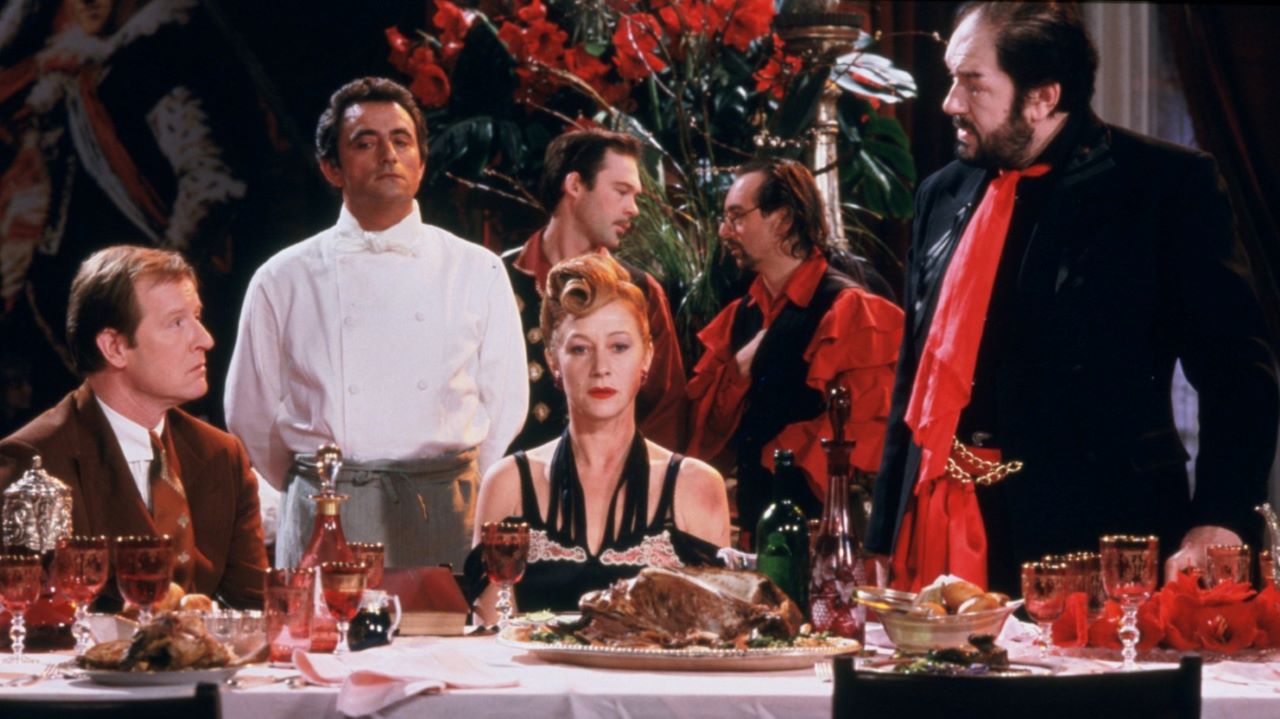
postphx.com – Peter Greenaway’s 1989 film, “The Cook, the Thief, His Wife & Her Lover,” is a visually stunning and morally ambiguous exploration of power, desire, and the corrupting influence of wealth. Set in a lavish London restaurant, the film is a dark comedy that delves into the depths of human depravity.

A Cast of Sinister Characters

The film introduces a cast of morally ambiguous characters, each more fascinating than the last. Albert Spica (played by Alan Howard) is a tyrannical restaurant owner who rules his domain with an iron fist. His wife, Georgina (Helen Mirren), is a bored and neglected woman who engages in a passionate affair with a young art student, Gethin (Ciaran Hinds).

A Tale of Lust, Greed, and Revenge

The film is a series of increasingly bizarre and violent encounters between these characters. Albert’s cruelty and narcissism are matched only by Georgina’s quiet defiance and Gethin’s naive idealism. As their lives intertwine, the film explores themes of power, desire, and the consequences of unchecked ambition.

A Visual Feast

One of the most striking aspects of “The Cook, the Thief, His Wife & Her Lover” is its stunning visual style. Greenaway’s meticulous attention to detail and his use of bold colors and striking compositions create a visually arresting world that is both beautiful and disturbing. The film’s opulent setting, the lavish feasts, and the stylized violence all contribute to its unique and unforgettable atmosphere.

A Controversial Masterpiece

Upon its release, “The Cook, the Thief, His Wife & Her Lover” was a controversial film, shocking audiences with its graphic violence, explicit sexuality, and moral ambiguity. However, it was also praised for its innovative storytelling, its stunning visuals, and its powerful performances.

A Lasting Legacy

Despite its controversial nature, “The Cook, the Thief, His Wife & Her Lover” has endured as a cult classic, inspiring filmmakers and artists for decades. Its exploration of power, desire, and the darker side of human nature continues to resonate with audiences today.

Key Themes Explored in the Film:

  • Power and Corruption: The film examines the corrupting influence of power and the lengths to which people will go to maintain it.
  • Desire and Lust: The film explores the destructive nature of unchecked desire and the consequences of infidelity.
  • Class and Social Inequality: The film highlights the stark divide between the wealthy and the poor, and the ways in which wealth can be used to exploit and manipulate others.
  • The Perils of Indulgence: The film warns against the dangers of excessive indulgence and the importance of moderation.

Conclusion

“The Cook, the Thief, His Wife & Her Lover” is a bold and provocative film that challenges conventional notions of morality and storytelling. Its stunning visuals, unforgettable characters, and provocative themes have made it a timeless classic that continues to captivate and disturb audiences.

Percy (1971): A Quirky Comedy with a Unique Premise

postphx.com – Released in 1971, “Percy” is a British comedy film that takes a rather unusual approach to storytelling. The film revolves around a man named Edwin Anthony, played by Hywel Bennett, who undergoes a rather unique medical procedure: a penis transplant. The transplanted organ, given the affectionate name “Percy,” is a source of both physical and psychological transformation for Edwin.   

A Quirky Plot and Unconventional Humor

The film’s premise, while certainly unconventional, is treated with a lighthearted and often humorous tone. Edwin, a shy and reserved man, finds himself thrust into a world of sexual adventure and newfound confidence thanks to his extraordinary appendage. The film delves into themes of identity, sexuality, and societal norms, all while maintaining a comedic edge.   

A Stellar Cast and Directorial Vision

“Percy” boasts a talented cast, including Denholm Elliott as the eccentric surgeon responsible for the transplant. Elliott’s performance is particularly memorable, bringing a blend of humor and gravitas to his role. The film’s director, Ralph Thomas, skillfully balances the film’s comedic elements with its more serious undertones.

A Cult Classic and Its Legacy

While “Percy” may not be a critical darling, it has garnered a dedicated cult following over the years. Its unique premise and humorous approach have resonated with audiences who appreciate offbeat and unconventional cinema. The film’s exploration of themes such as identity and sexuality remains relevant, even decades after its release.

A Bold and Unforgettable Film

“Percy” is a bold and unforgettable film that challenges societal norms and expectations. Its unique blend of humor, drama, and sexual exploration has solidified its place in cinematic history. While it may not be for everyone, the film’s quirky charm and memorable performances make it a must-watch for fans of British comedy and unconventional storytelling.

The Game Is Over (1966):A Bold and Controversial Film

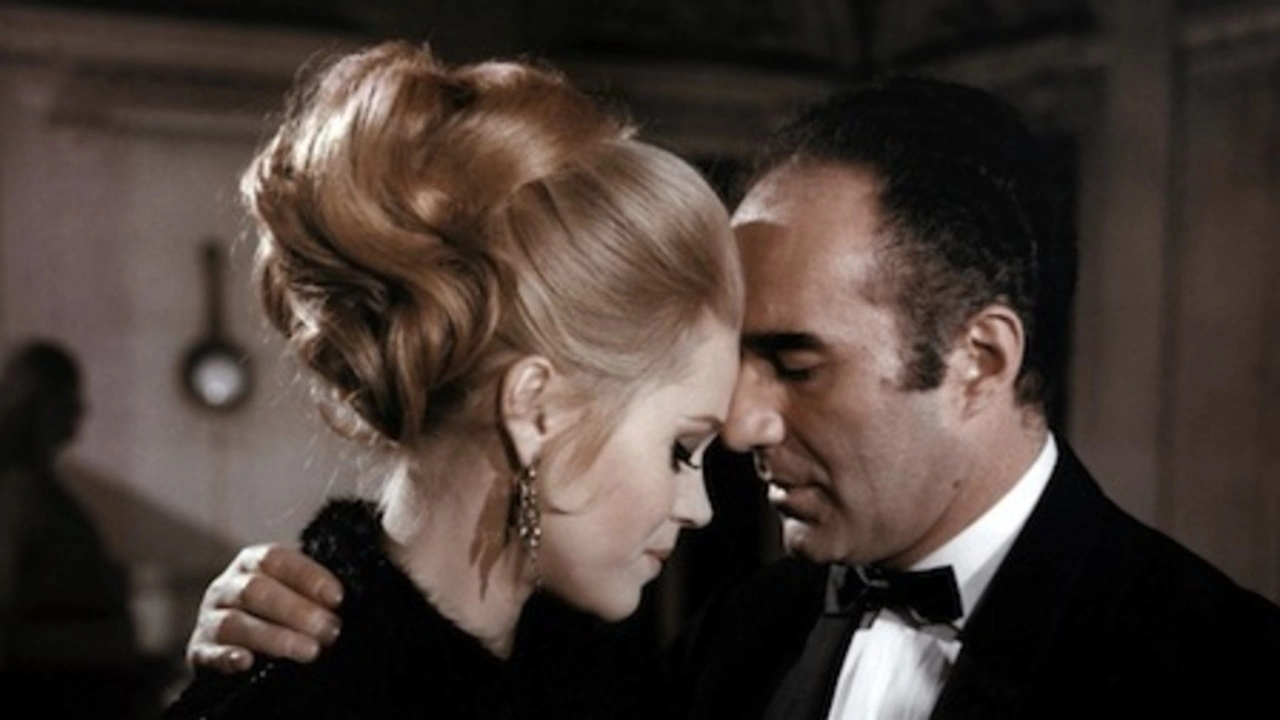
postphx.com – The Game Is Over (1966) is a daring and provocative film that pushed the boundaries of cinematic storytelling. Directed by Roger Vadim, the film is a modern adaptation of Émile Zola’s novel La Curée, exploring themes of love, obsession, and the corrosive effects of wealth and power.  

Fonda’s Daring Performance

Jane Fonda delivers a bold and captivating performance as Renée Saccard, a wealthy and bored housewife who embarks on a passionate affair with her stepson, Maxime. Fonda’s portrayal of Renée is both alluring and disturbing, as she navigates a complex web of desire, betrayal, and self-destruction.  

A Controversial Exploration of Desire

The film’s frank and explicit exploration of sexuality and desire was considered controversial at the time of its release. Its unflinching portrayal of a woman’s sexual liberation and her willingness to defy societal norms challenged traditional notions of morality and propriety.

A Visual Feast

The Game Is Over is visually striking, with its opulent sets and stunning cinematography. The film’s opulent and decadent atmosphere reflects the characters’ materialistic and hedonistic lifestyles.

A Timeless Exploration of Human Nature

Despite its provocative themes and explicit content, The Game Is Over remains a timeless exploration of human nature. The film’s exploration of love, lust, and the destructive power of obsession continues to resonate with audiences today.

A Must-Watch for Fonda Fans

For fans of Jane Fonda, The Game Is Over is a must-watch. It showcases her versatility as an actress and her willingness to take on challenging roles. The film’s bold and unconventional approach to storytelling makes it a fascinating and unforgettable cinematic experience.

Conclusion

The Game Is Over is a provocative and visually stunning film that remains a bold and controversial work. Jane Fonda’s performance is a tour de force, and her portrayal of Renée Saccard is one of her most iconic roles. The film’s exploration of love, obsession, and the corrosive effects of wealth and power continues to resonate with audiences today.

Halloween H20: 20 Years Later – A Haunting Return

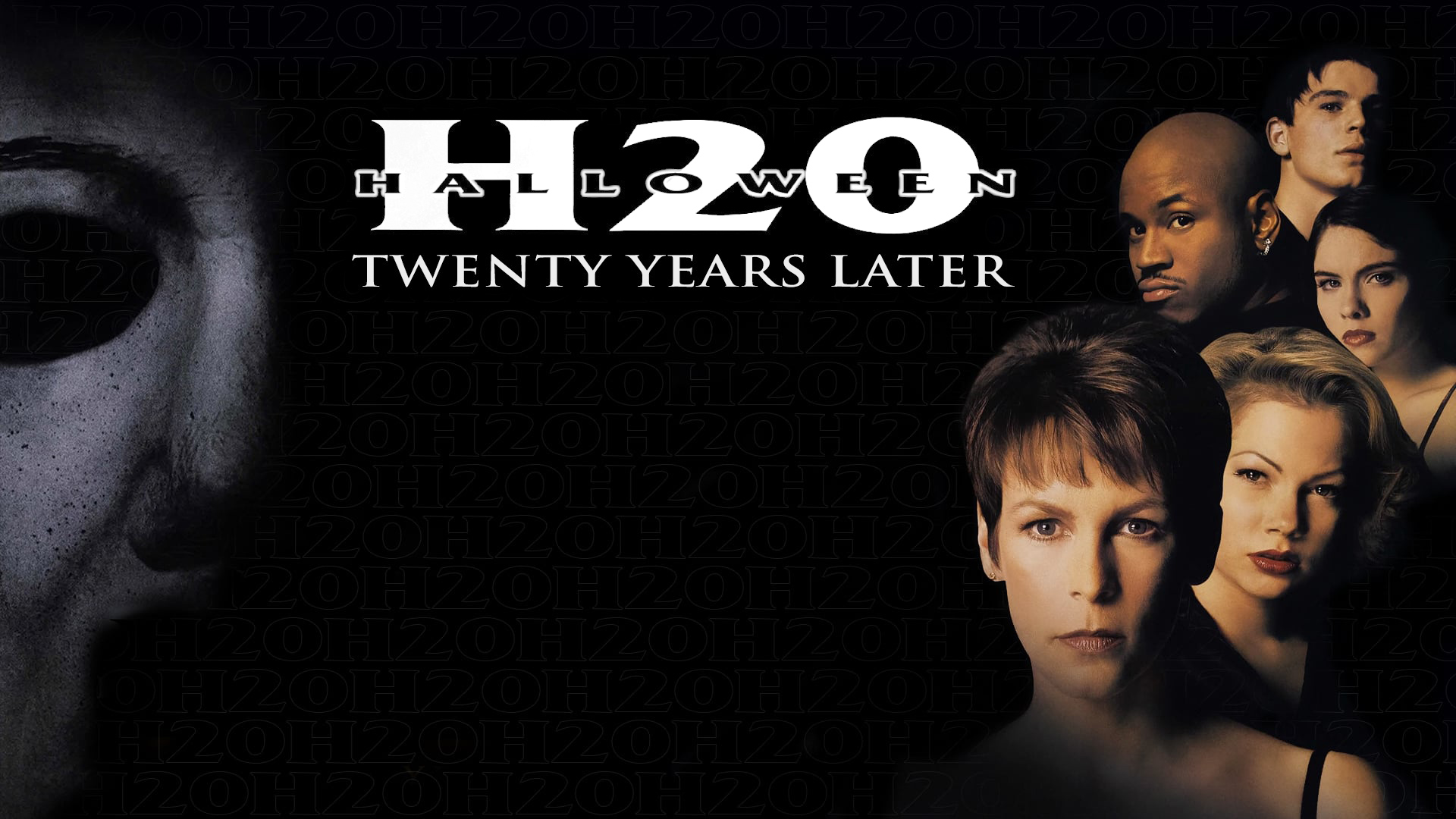
postphx.com – Released in 1998, Halloween H20: 20 Years Later marked a significant return to the iconic Halloween franchise. This film, directed by Steve Miner, aimed to revitalize the series by focusing on the enduring conflict between Laurie Strode and her relentless pursuer, Michael Myers.   

A Fresh Start for the Franchise

Halloween H20 boldly reimagined the Halloween timeline, effectively disregarding the events of the sequels that followed the original film. This narrative choice allowed the filmmakers to explore a fresh direction for the series, one that centered on Laurie’s ongoing struggle with her traumatic past.   

Laurie Strode’s Dark Legacy

Jamie Lee Curtis reprised her iconic role as Laurie Strode, now a headmistress at a private school in California. Haunted by the horrors of her past, Laurie has been living under the assumed identity of Keri Tate, desperately trying to escape the shadow of Michael Myers. The film delves into the psychological toll of her experiences, portraying a Laurie who is both resilient and fragile.   

The Return of the Shape

Michael Myers, the embodiment of pure evil, returns to torment Laurie once again. His relentless pursuit of his sister intensifies as he stalks her and her teenage son, John. The film effectively captures the chilling presence of the masked killer, building suspense and delivering moments of shocking violence.

A Nostalgic Tribute

Halloween H20 pays homage to the original film by incorporating familiar elements, such as the iconic Halloween night setting and the suspenseful score. The film also features a cameo by Donald Pleasence, reprising his role as Dr. Loomis, adding a nostalgic touch for longtime fans of the franchise.

A Critical and Commercial Success

Upon its release, Halloween H20 received positive reviews from critics, who praised its suspenseful atmosphere, strong performances, and effective use of nostalgia. The film was also a commercial success, becoming the highest-grossing installment in the Halloween franchise at the time.   

A Lasting Impact

Halloween H20 remains a beloved entry in the Halloween series, offering a thrilling and satisfying conclusion to Laurie Strode’s story. Its impact on the franchise is undeniable, as it paved the way for future installments and solidified the enduring legacy of Michael Myers and Laurie Strode.

Days of Wine and Roses: A Tragic Love Story

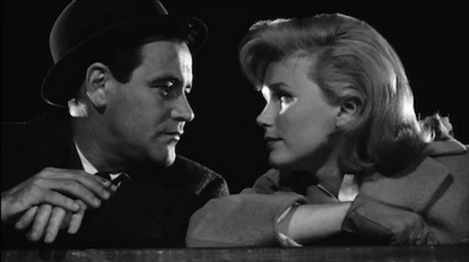
postphx.com – Blake Edwards’ 1962 film, “Days of Wine and Roses,” is a poignant and heartbreaking exploration of alcoholism and its devastating impact on individuals and families. The film stars Jack Lemmon and Lee Remick as Joe and Kirsten, a couple whose love for each other is tragically consumed by their addiction to alcohol.

A Love Lost to Addiction

The film begins with Joe and Kirsten as a young, vibrant couple deeply in love. However, their relationship soon becomes overshadowed by their growing dependence on alcohol. As their addiction worsens, their lives spiral out of control, leading to a series of devastating consequences.

The Destructive Power of Alcoholism

“Days of Wine and Roses” offers a unflinching portrayal of the destructive power of alcoholism. The film depicts the physical, emotional, and psychological toll that addiction takes on individuals and their loved ones. The characters’ struggles with addiction are both harrowing and relatable, highlighting the cyclical nature of alcoholism and the challenges of recovery.

A Message of Hope

Despite its bleak subject matter, “Days of Wine and Roses” also offers a message of hope. The film explores the possibility of recovery and the importance of seeking help. Through the characters’ journey, the film underscores the significance of support, understanding, and perseverance in overcoming addiction.

A Timeless Classic

“Days of Wine and Roses” is a timeless classic that continues to resonate with audiences today. Its powerful performances, poignant script, and sensitive direction have made it a beloved film. The film’s exploration of addiction, love, and loss remains relevant, highlighting the enduring impact of this devastating disease.

Conclusion

“Days of Wine and Roses” is a powerful and moving film that offers a deeply human portrayal of the destructive nature of alcoholism. The film’s exploration of love, loss, and the challenges of recovery continues to inspire and resonate with audiences. By shedding light on the devastating consequences of addiction, “Days of Wine and Roses” encourages empathy, understanding, and hope.

Big Bad Mama: A Wild Ride with Angie Dickinson

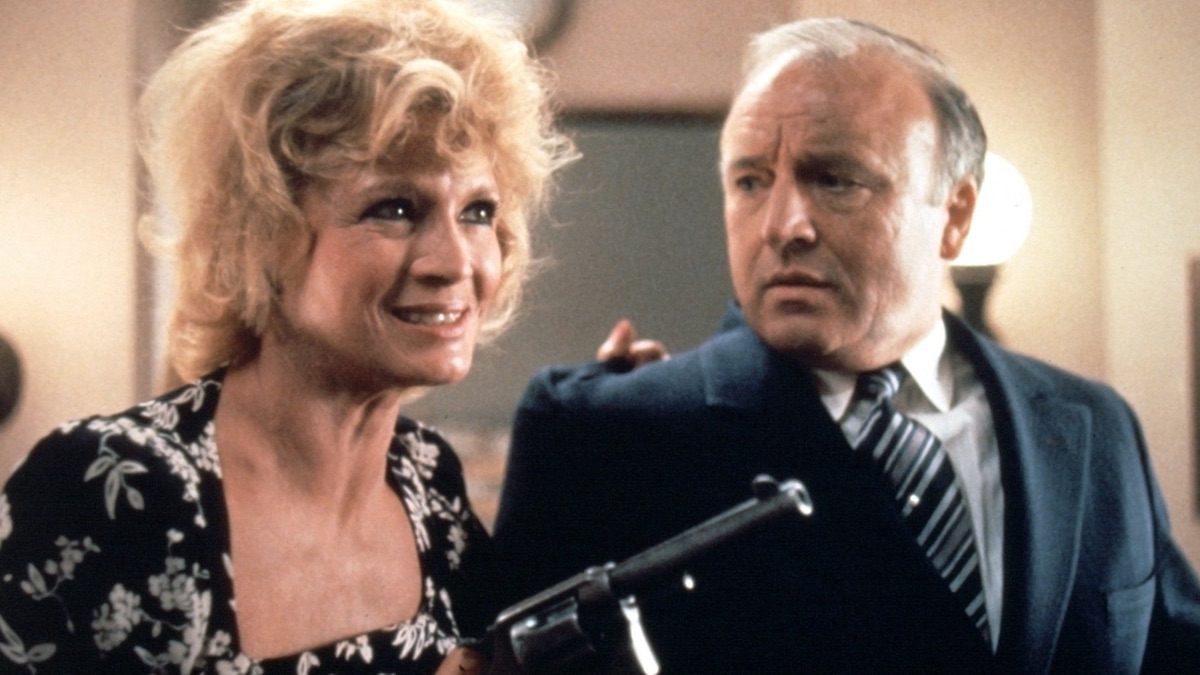
postphx.com – Big Bad Mama is a 1974 American crime film directed by Steve Carver and starring Angie Dickinson. It’s a quirky, low-budget, and often campy film that has gained a cult following over the years.

A Family Affair Gone Wrong

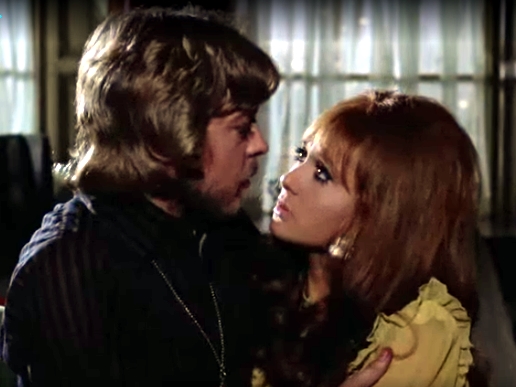
The film follows Wilma McClatchie (Dickinson), a strong-willed and resourceful woman who, after her lover is killed by FBI agents, turns to a life of crime to support herself and her two daughters, Polly and Billy Jean. The trio embarks on a series of increasingly daring heists, from bank robberies to kidnappings, all while navigating a web of double-crosses and romantic entanglements.

Angie Dickinson: The Ultimate Femme Fatale

Angie Dickinson delivers a magnetic performance as Wilma McClatchie, a character who is both tough and vulnerable. She commands the screen with her sultry charm and fearless attitude, making Wilma one of the most iconic female anti-heroes of the 1970s.

A Wild and Crazy Ride

Big Bad Mama is a wild and crazy ride that blends elements of crime, drama, and comedy. The film’s over-the-top plot, colorful characters, and gratuitous nudity contribute to its cult status. While it may not be a masterpiece of cinema, it’s a fun and entertaining film that’s perfect for a late-night viewing.

A Forgotten Gem

Despite its cult following, Big Bad Mama remains a relatively unknown film. It’s a shame, as it’s a unique and entertaining piece of 70s cinema. If you’re a fan of exploitation films, or simply enjoy a good old-fashioned B-movie, Big Bad Mama is definitely worth checking out.

Woman Times Seven: A Quirky Exploration of Female Desire

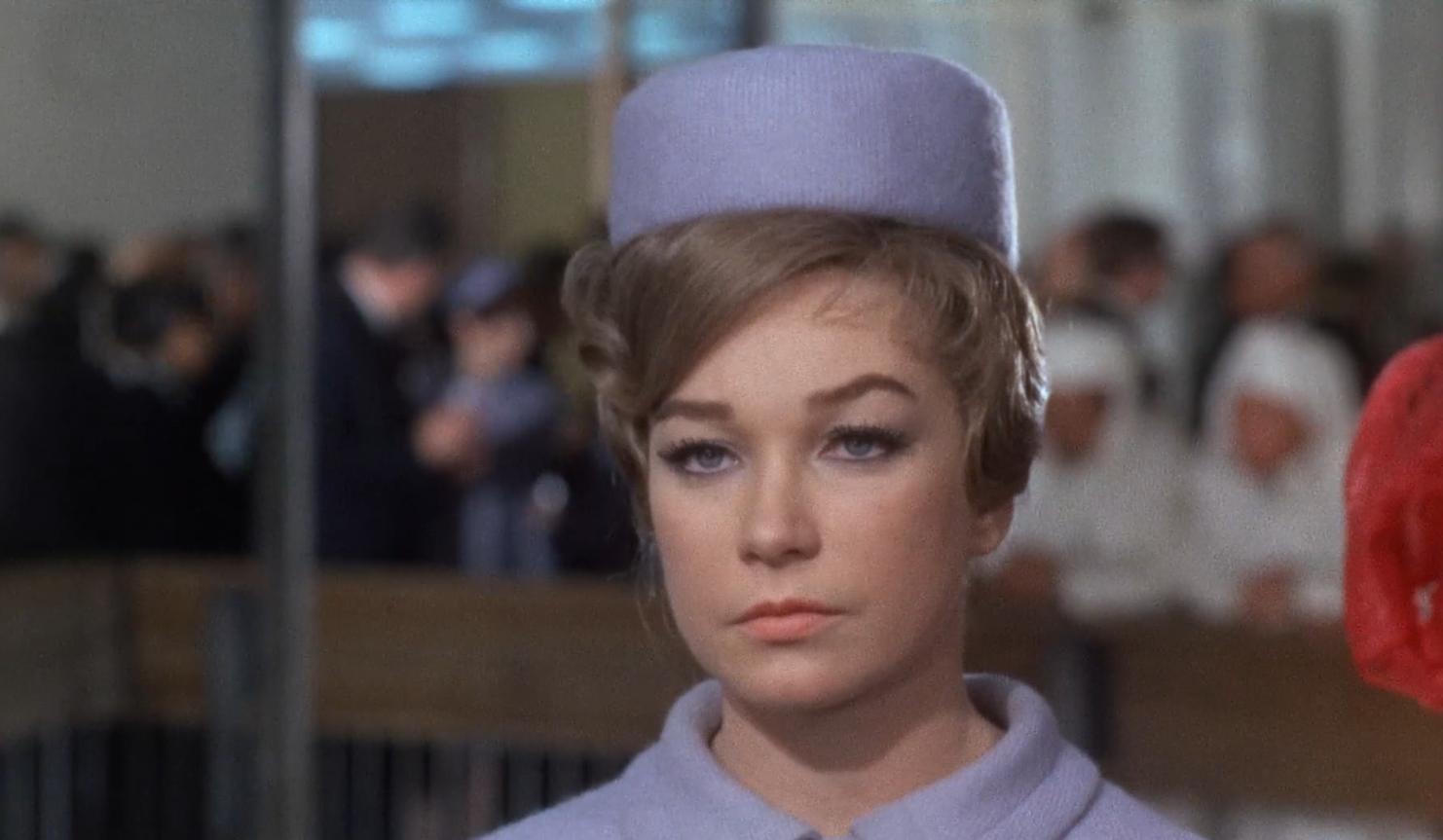
postphx.comWoman Times Seven (1967) is a unique cinematic experiment directed by Vittorio De Sica and starring the versatile Shirley MacLaine. This Italian-French film presents seven distinct vignettes, each showcasing a different facet of female desire, love, and sexuality. The film’s exploration of these themes, often through humorous and satirical lenses, was groundbreaking for its time.   

A Star-Studded Cast and Stylish Direction

The film boasts a stellar cast that includes Peter Sellers, Vittorio Gassman, and Michael Caine. Each vignette is visually striking, with stylish cinematography and art direction that capture the vibrant atmosphere of 1960s Paris. De Sica’s direction is both playful and insightful, allowing MacLaine to shine in a variety of roles.   

Seven Tales of Love, Lust, and Longing

  1. The Widow: A newly widowed woman finds herself drawn to a handsome stranger during her husband’s funeral procession.  
  2. The Mistress: A woman becomes involved in a complex love triangle with her lover and his wife.
  3. The Fantasist: A bored housewife indulges in erotic fantasies, leading to unexpected consequences.
  4. The Jealous Wife: A jealous wife hires a private detective to spy on her husband, only to become the object of his desire.
  5. The Romantic: A woman embarks on a whirlwind romance with a charming stranger, only to be disillusioned by his true intentions.
  6. The Fatalist: A woman plans a suicide pact with her lover, but their plans are derailed by unexpected circumstances.
  7. The Adventurous: A woman seeks excitement and adventure, leading her to a series of unconventional encounters.

A Bold and Controversial Film

Woman Times Seven was a bold and controversial film for its time, pushing the boundaries of cinematic storytelling and exploring themes that were considered taboo. The film’s frank and often humorous depiction of female sexuality and desire challenged societal norms and sparked debate.

Despite its innovative approach and talented cast, the film was not a commercial success. However, it has since gained a cult following and is recognized as a significant contribution to the history of cinema. Woman Times Seven remains a fascinating and thought-provoking film that continues to resonate with audiences today.

The Girl Can’t Help It: A Rock ‘n’ Roll Revue

postphx.com – The Girl Can’t Help It (1956) is a groundbreaking musical comedy that captured the spirit of the rock ‘n’ roll era. Directed by Frank Tashlin and starring Jayne Mansfield, Tom Ewell, and a dazzling array of rock ‘n’ roll stars, the film is a riotous celebration of music, sex appeal, and pop culture.

A Tale of a Rock ‘n’ Roll Starlet

The film follows the story of Jerri Jordan (Jayne Mansfield), a sultry and ambitious singer who dreams of becoming a rock ‘n’ roll star. With the help of her scheming manager, Jerry (Tom Ewell), she rises to fame, attracting the attention of a diverse group of characters, including a lovestruck songwriter, a jealous rival, and a domineering studio boss.

A Showcase of Rock ‘n’ Roll Talent

One of the film’s most significant contributions to popular culture is its showcase of some of the biggest rock ‘n’ roll stars of the era. The film features performances by Little Richard, Fats Domino, Gene Vincent, and The Platters, among others. These iconic musicians deliver electrifying performances that capture the energy and excitement of the rock ‘n’ roll revolution.

A Visually Stunning Spectacle

The Girl Can’t Help It is not only a musical feast but also a visual spectacle. The film’s vibrant color palette, striking production design, and dynamic cinematography create a visually stunning experience. The film’s costumes, particularly Jayne Mansfield’s iconic outfits, are legendary and have become synonymous with the era.

A Timeless Classic

Despite its campy elements and dated humor, The Girl Can’t Help It remains a timeless classic. Its infectious energy, catchy music, and iconic performances continue to captivate audiences today. The film’s exploration of fame, desire, and the power of music resonates with viewers of all generations.

Why You Should Watch The Girl Can’t Help It

  • A Showcase of Rock ‘n’ Roll Talent: The film features some of the greatest rock ‘n’ roll stars of the 1950s.
  • A Visually Stunning Spectacle: The film’s vibrant colors, striking costumes, and dynamic cinematography are a feast for the eyes.
  • A Timeless Classic: The film’s themes of fame, desire, and the power of music continue to resonate with audiences today.
  • A Fun and Entertaining Film: The film’s campy humor, over-the-top performances, and infectious energy make it a delightful watch.

Flaming Star (1960): Elvis Presley’s Western Drama

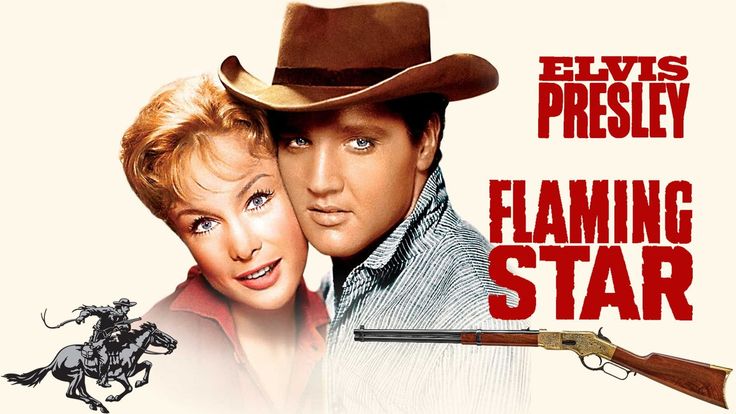
postphx.com – “Flaming Star,” released in 1960, is an American Western film directed by Don Siegel. The film stars Elvis Presley in one of his most dramatic roles, showcasing his acting abilities beyond his musical persona. Based on the novel “Flaming Lance” by Clair Huffaker, the movie explores themes of identity, cultural conflict, and the challenges of living between two worlds.

Plot Overview

Set in the post-Civil War era, “Flaming Star” tells the story of Pacer Burton (Elvis Presley), a young man of mixed heritage—his father is white, and his mother is Kiowa. The Burtons live peacefully on the Texas frontier until tensions escalate between the local settlers and the Kiowa tribe. As conflict arises, Pacer finds himself torn between his loyalty to his family and his connection to his mother’s people. The film follows his struggle to navigate these conflicting identities while seeking peace and understanding in a world divided by prejudice and violence.

Themes and Style

“Flaming Star” delves into themes of racial identity, belonging, and the cultural divides that existed in the American West. The film presents a nuanced portrayal of the challenges faced by individuals caught between different worlds. Don Siegel’s direction emphasizes the stark realities of frontier life, using the Western landscape as a backdrop for the film’s dramatic tension. The movie departs from the typical musical format associated with Elvis Presley, instead focusing on narrative depth and character development.

Cast and Performances

Elvis Presley delivers a compelling performance as Pacer Burton, demonstrating his range as an actor. His portrayal captures the internal conflict and emotional turmoil of a man caught between two cultures. Supporting performances by Barbara Eden, Steve Forrest, and Dolores del Río add depth to the film, creating a rich tapestry of characters that enhance the story’s emotional impact.

Cultural Impact

“Flaming Star” marked a significant departure from Elvis Presley’s usual musical films, showcasing his potential as a dramatic actor. The film received critical acclaim for its serious tone and Presley’s performance, contributing to his legacy as a versatile entertainer. While not a commercial success compared to his musical films, “Flaming Star” remains an important part of Elvis’s filmography, demonstrating his ability to tackle complex roles.

Conclusion

“Flaming Star” stands out as a unique entry in the Western genre, offering a thoughtful exploration of identity and cultural conflict. With Elvis Presley at the helm, the film transcends its initial expectations, delivering a powerful narrative that resonates with audiences. Its themes of belonging and understanding continue to be relevant, making “Flaming Star” a noteworthy film in the history of American cinema.

Dark Victory: A Poignant 1976 Drama

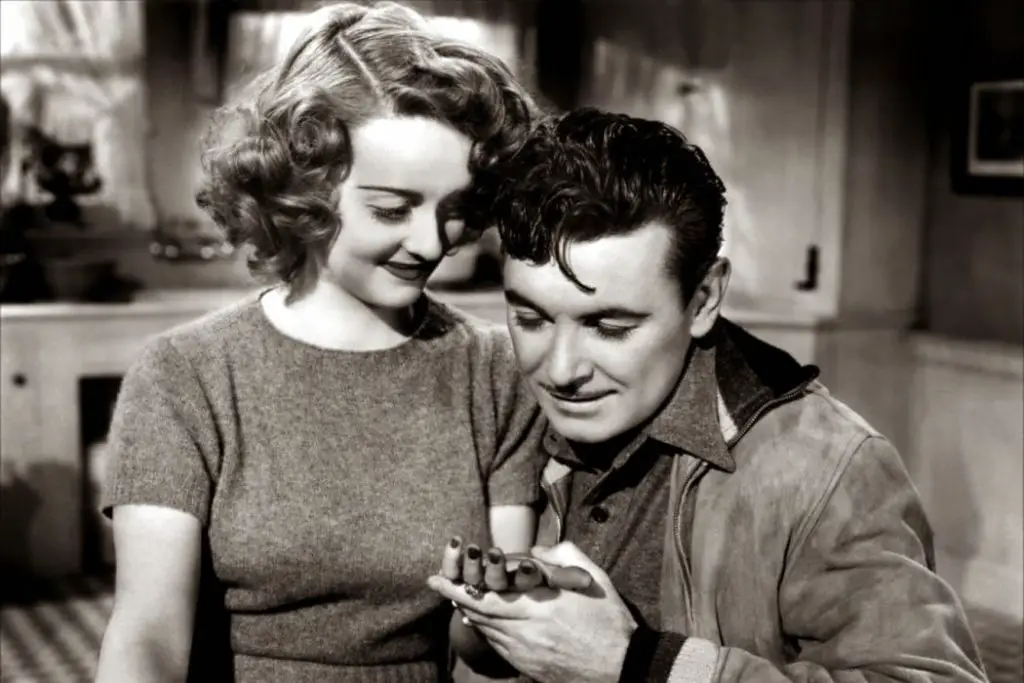
postphx.com – “Dark Victory” is a poignant 1976 television drama that tells the heart-wrenching story of a woman facing her mortality. Starring Elizabeth Montgomery in a powerful role, the film is a remake of the classic 1939 movie that originally starred Bette Davis. Directed by Robert Butler, this adaptation explores themes of love, courage, and acceptance in the face of a terminal illness, capturing the emotional journey of a woman confronting the end of her life.

Plot Overview

The film follows the life of Katherine Merrill, a vibrant and successful woman whose world is turned upside down when she is diagnosed with a terminal brain tumor. As she grapples with her prognosis, Katherine embarks on a journey of self-discovery, reevaluating her relationships and priorities. The narrative delves into her struggles with fear and denial, ultimately leading to acceptance and a determination to live her remaining days to the fullest. Katherine’s relationships with those around her, including her doctor and close friends, become central to her story of resilience and grace.

Elizabeth Montgomery’s Performance

Elizabeth Montgomery delivers a deeply moving performance as Katherine Merrill, showcasing her ability to convey a wide range of emotions with authenticity and sensitivity. Known for her work in lighter roles, Montgomery demonstrates her dramatic prowess in this role, bringing depth and nuance to Katherine’s character. Her portrayal captures the emotional complexity of a woman facing an uncertain future, making the audience feel every moment of her journey.

Themes and Impact

“Dark Victory” explores profound themes of mortality, love, and personal growth. The film emphasizes the importance of cherishing life’s moments and the relationships that give life meaning. It challenges viewers to reflect on their own lives and consider how they might respond when faced with similar challenges. The film’s exploration of these universal themes resonates with audiences, offering both a touching story and a message of hope.

Conclusion

“Dark Victory” is a memorable drama that highlights Elizabeth Montgomery’s exceptional talent in a dramatic role. Through its heartfelt story and compelling performances, the film offers a moving portrayal of a woman’s journey towards acceptance and inner peace. It remains a testament to the enduring power of love and the human spirit, reminding us of the strength we can find within ourselves even in the darkest of times.

Liberté, Égalité, Choucroute: A Satirical Take on History

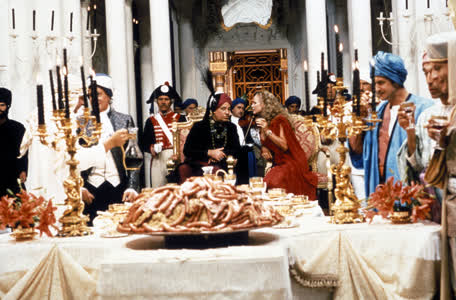
postphx.com – “Liberté, égalité, choucroute” is a 1985 French comedy film directed by Jean Yanne. Known for its satirical humor and witty take on historical events, the film offers a playful and irreverent depiction of the French Revolution. With a talented ensemble cast and a script that pokes fun at both history and modern society, “Liberté, égalité, choucroute” provides a unique cinematic experience that delights fans of French comedy.

Plot Overview

The film’s title, which humorously combines the French revolutionary motto “Liberty, Equality, Fraternity” with “choucroute” (a traditional Alsatian dish made from sauerkraut), sets the tone for the film’s comedic approach. The story unfolds during the tumultuous period of the French Revolution, focusing on the chaos and absurdity of the time. Through a series of comedic sketches and vignettes, the film satirizes the key figures and events of the revolution, blending historical references with contemporary humor.

Ensemble Cast and Characters

“Liberté, égalité, choucroute” features an impressive cast of French actors, including Michel Serrault, Jean Poiret, and Jean Yanne himself. Each actor brings their comedic flair to a variety of characters, from bumbling aristocrats to revolutionary leaders. The film’s characters are exaggerated versions of historical figures, providing a humorous lens through which to view the events of the French Revolution.

Satirical Themes

At its core, “Liberté, égalité, choucroute” is a satire that critiques both the past and the present. By lampooning historical events, the film draws parallels to contemporary political and social issues, highlighting the timeless nature of certain human follies. The use of humor and absurdity allows the film to explore themes of power, leadership, and societal change in a lighthearted yet thought-provoking manner.

Direction and Style

Jean Yanne, known for his work as a filmmaker, actor, and comedian, brings his distinct style to the film. His direction emphasizes quick-witted dialogue, visual gags, and anachronistic humor, creating a lively and engaging narrative. The film’s playful use of costumes and sets further enhances its comedic tone, capturing the essence of the revolutionary era while adding a modern twist.

Reception and Legacy

Upon its release, “Liberté, égalité, choucroute” received mixed reviews, with some critics praising its humor and creativity, while others found it uneven in its execution. Despite this, the film has maintained a cult following among fans of French comedy and satire. Its unique blend of historical parody and social commentary continues to resonate with audiences who appreciate its clever take on both history and human nature.

Conclusion

“Liberté, égalité, choucroute” is a film that offers a humorous and insightful look at the French Revolution through the lens of satire. With its talented cast, witty script, and playful direction, the film provides an entertaining exploration of historical events and their relevance to modern society. For those who enjoy comedic films that blend history with humor, “Liberté, égalité, choucroute” remains a delightful and memorable cinematic experience.

Inside Daisy Clover (1965): A Glimpse Behind the Glitz of Hollywood

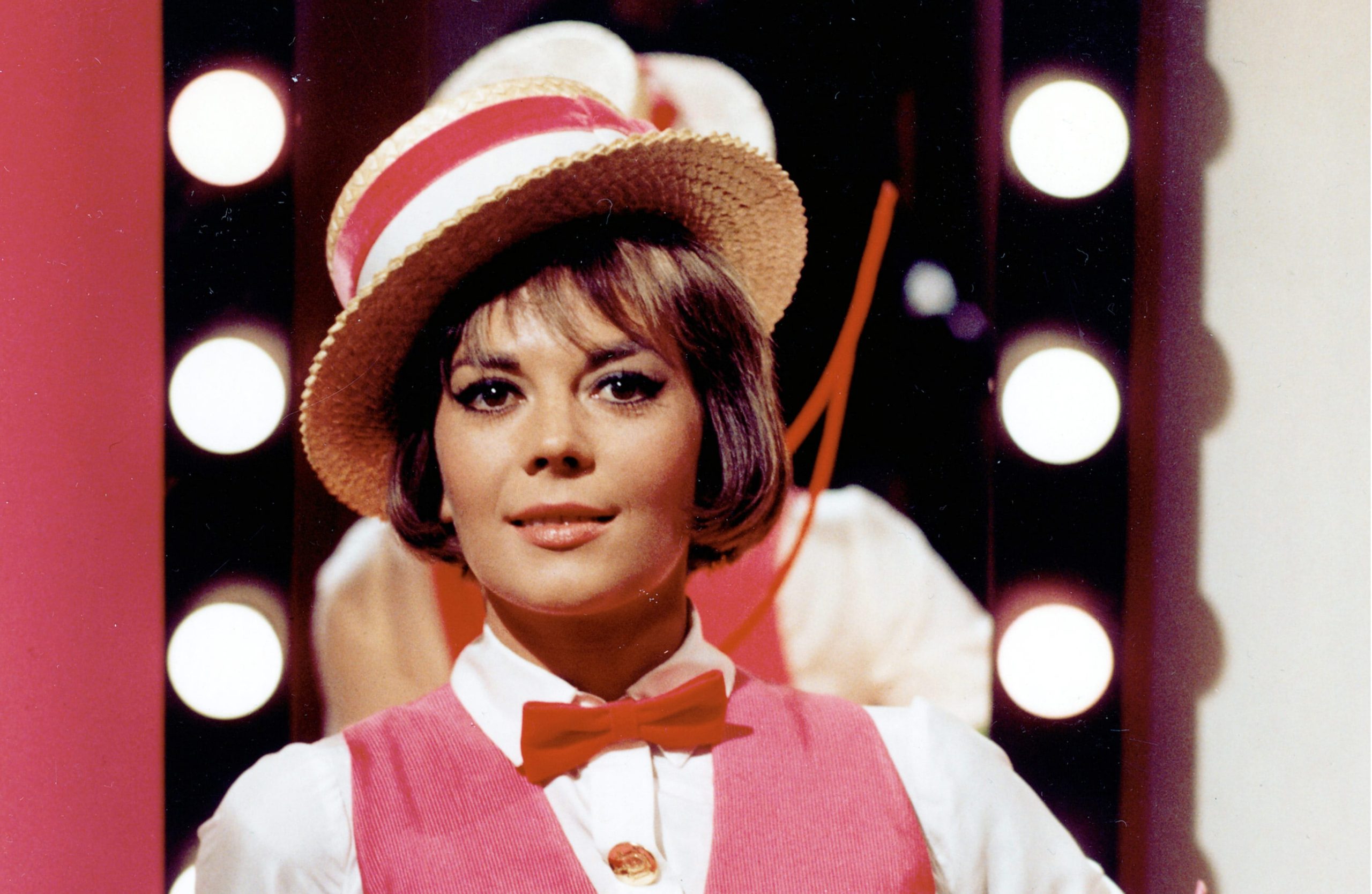
postphx.com – “Inside Daisy Clover,” directed by Robert Mulligan and starring Natalie Wood, Robert Redford, and Christopher Plummer, offers a compelling look at the darker side of Hollywood’s golden age. This 1965 film delves into the personal and professional struggles of a young starlet caught in the whirlwind of fame and the entertainment industry’s demands. Here’s an exploration of the film’s themes, performances, and its reflection on Hollywood.

The Rise and Fall of a Young Star

“Inside Daisy Clover” tells the story of Daisy Clover, a 15-year-old tomboy living in a trailer park who dreams of becoming a Hollywood star. Her life takes a dramatic turn when she is discovered by a powerful movie producer, Raymond Swan, played by Christopher Plummer. As Daisy rises to stardom, she finds herself entangled in the complexities of fame, dealing with personal turmoil, and navigating the manipulative world of Hollywood.

Natalie Wood’s Captivating Performance

Natalie Wood delivers a powerful performance as Daisy Clover, capturing the innocence and vulnerability of a young girl thrust into the spotlight. Wood’s portrayal highlights Daisy’s transformation from a hopeful dreamer to a disillusioned star, showcasing her range as an actress. Her ability to convey the emotional depth of her character adds a layer of authenticity to the film, making Daisy’s journey both relatable and poignant.

Robert Redford and the Supporting Cast

Robert Redford stars as Wade Lewis, a charismatic but troubled actor who becomes romantically involved with Daisy. His performance adds complexity to the narrative, as Wade’s charm masks deeper issues that affect his relationships. Christopher Plummer’s portrayal of the controlling producer Raymond Swan further enriches the story, illustrating the power dynamics within the film industry. The supporting cast, including Ruth Gordon as Daisy’s eccentric mother, contributes to the film’s exploration of personal and professional conflicts.

Themes of Fame and Exploitation

At its core, “Inside Daisy Clover” explores the theme of exploitation in the pursuit of fame. The film critiques the Hollywood system, revealing the pressures and sacrifices demanded of young stars. Daisy’s journey highlights the loss of personal identity and the emotional toll of maintaining a public image. The film’s narrative serves as a commentary on the often harsh realities behind the glamour of Hollywood, resonating with audiences who seek to understand the industry’s impact on individuals.

A Reflective Piece on Hollywood

“Inside Daisy Clover” offers a reflective and sometimes critical view of Hollywood during its golden age. Its portrayal of the entertainment industry’s inner workings provides insight into the struggles faced by those who seek fame and success. While the film is set in the 1930s, its themes remain relevant, offering a timeless perspective on the challenges of navigating the world of show business.

In conclusion, “Inside Daisy Clover” is a thought-provoking film that delves into the complexities of stardom and the personal sacrifices made in the name of fame. With standout performances and a compelling narrative, it remains a poignant exploration of the darker side of Hollywood.

The Enduring Charm of “Love Happy” (1949)

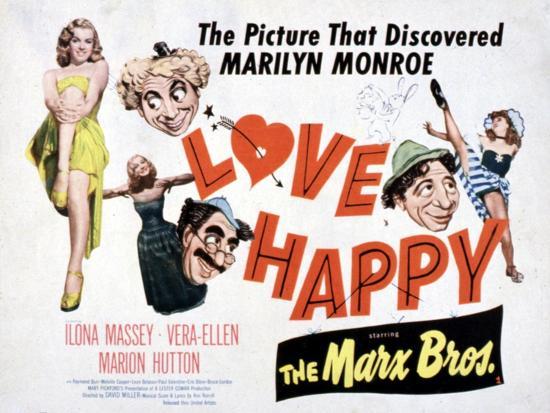
postphx.com – Released in 1949, “Love Happy” holds a unique place in cinematic history as the final film starring the legendary Marx Brothers. Directed by David Miller, this comedy caper is renowned for its slapstick humor, musical numbers, and a notable cameo by a then-unknown Marilyn Monroe. The film is a testament to the enduring appeal of the Marx Brothers’ comedic style, blending chaos with cleverness.

Plot Overview

“Love Happy” follows the Marx Brothers as they embark on a zany adventure filled with mischief and hilarity. The plot centers around Harpo Marx’s character, who becomes entangled in a jewel heist while trying to help a struggling theater troupe. Alongside his brothers, Chico and Groucho, Harpo navigates a series of comedic escapades to outwit the villains and save the day.

Significance and Impact

While “Love Happy” may not have enjoyed the same level of critical acclaim as earlier Marx Brothers films, it remains an important piece of their filmography. The movie is particularly significant for its introduction of Marilyn Monroe in a brief but memorable role, foreshadowing her rise to stardom. Additionally, the film’s blend of comedy and music showcases the Marx Brothers’ versatility and ability to adapt their vaudeville roots to the silver screen.

Conclusion

“Love Happy” serves as a delightful swan song for the Marx Brothers, capturing the essence of their comedic genius. Despite being overshadowed by their previous works, the film continues to entertain audiences with its timeless humor and showcases the early talent of a future Hollywood icon.

Ong-Bak: The Thai Warrior (2003): A Martial Arts Phenomenon

postphx.com – “Ong-Bak: The Thai Warrior,” released in 2003, is a Thai martial arts film that took the world by storm. Directed by Prachya Pinkaew and starring Tony Jaa, the film showcases traditional Muay Thai fighting techniques in a way that captivated audiences globally. This film is not only a display of martial arts skill but also a cultural homage to Thailand’s rich traditions.

Plot Summary

The film begins in a small Thai village, where the sacred Buddha statue, Ong-Bak, is stolen by a ruthless businessman. The village’s best fighter, Ting (played by Tony Jaa), embarks on a dangerous mission to Bangkok to retrieve the stolen relic. Ting’s journey is fraught with challenges as he faces off against a criminal underworld, showcasing his incredible martial arts prowess along the way.

Tony Jaa: A New Martial Arts Icon

Tony Jaa’s performance in “Ong-Bak” was groundbreaking, earning him international acclaim. With no stunt doubles or CGI, Jaa’s athleticism and skill were on full display, bringing a raw and authentic feel to the action sequences. His ability to perform complex stunts and fight choreography set a new standard in the martial arts film genre.

Muay Thai: More Than Just a Fight

Muay Thai, the traditional martial art of Thailand, is at the heart of “Ong-Bak.” The film not only showcases the physicality of the sport but also highlights its cultural significance. Through Ting’s journey, viewers are given a glimpse into the spiritual and historical aspects of Muay Thai, emphasizing its importance beyond just a combat sport.

Reception and Impact

“Ong-Bak: The Thai Warrior” was a commercial success, grossing millions worldwide and receiving positive reviews for its action sequences and choreography. The film’s success helped to popularize Muay Thai internationally and paved the way for more Thai films in the global market. Tony Jaa’s rise to fame also inspired a new generation of martial artists and filmmakers.

Conclusion

“Ong-Bak: The Thai Warrior” remains a classic in the martial arts genre, celebrated for its authentic action, cultural representation, and the introduction of Tony Jaa as a global martial arts icon. Its impact on both the film industry and martial arts continues to be felt, making it a must-watch for action enthusiasts and film lovers alike.

The Blue Kite (1993): China’s Turbulent History

postphx.com – “The Blue Kite,” directed by Tian Zhuangzhuang, is a 1993 Chinese drama that offers a compelling and intimate portrayal of life during some of China’s most tumultuous periods. The film, known for its sensitive depiction of personal and political struggles, provides a window into the impact of historical events on ordinary families, capturing the essence of resilience amidst adversity.

Plot Overview and Historical Context

Set in Beijing from the 1950s to the 1970s, “The Blue Kite” follows the life of Tietou, a young boy, and his family as they navigate the political upheavals of the Anti-Rightist Campaign, the Great Leap Forward, and the Cultural Revolution. Through Tietou’s eyes, the film explores the effects of these events on his family, highlighting the personal costs of political ideologies and the struggle to maintain hope and love in an oppressive environment.

Character Development and Performances

The film’s narrative is deeply rooted in the experiences of Tietou’s family, particularly his mother, Chen Shujuan, portrayed with emotional depth by Lü Liping. The characters are crafted with care, each representing different facets of the social spectrum during this era. Tietou’s journey from childhood to adolescence reflects the loss of innocence and the harsh realities faced by many during these turbulent times. The performances are understated yet powerful, emphasizing the resilience and quiet dignity of individuals in the face of systemic challenges.

Themes and Cinematic Style

“The Blue Kite” addresses themes of survival, familial bonds, and the enduring human spirit in the face of political oppression. Tian Zhuangzhuang’s direction employs a subtle and realistic style, with attention to detail that brings authenticity to the film’s historical setting. The use of the blue kite as a motif symbolizes both the fragility and endurance of hope, serving as a poignant reminder of the human capacity for resilience.

Conclusion

“The Blue Kite” is a significant work that not only offers a glimpse into a critical period of Chinese history but also resonates universally with its themes of love, sacrifice, and perseverance. Despite facing censorship and controversy, the film stands as a testament to the power of cinema to illuminate personal stories within the broader context of historical change. It remains an important cultural artifact that continues to inspire reflection and discussion on the impact of political ideology on individual lives.

The Chilling Mastery of The Silence of the Lambs

postphx.com – “The Silence of the Lambs,” directed by Jonathan Demme and based on Thomas Harris’s novel, is a psychological thriller that has captivated audiences since its release in 1991. Known for its chilling atmosphere and unforgettable characters, the film has earned a place in cinematic history as one of the greatest thrillers ever made. This article delves into the elements that contribute to its enduring impact and explores the themes that continue to intrigue viewers.

Plot and Cinematic Brilliance

At the heart of “The Silence of the Lambs” is the gripping story of FBI trainee Clarice Starling, played by Jodie Foster, as she seeks the help of the enigmatic and imprisoned Dr. Hannibal Lecter, portrayed by Anthony Hopkins, to catch a serial killer known as “Buffalo Bill.” The film’s tightly woven plot and suspenseful pacing keep viewers on edge, while its masterful direction and cinematography create an unsettling yet captivating atmosphere.

Iconic Characters and Performances

The film’s success is largely attributed to its compelling characters and the exceptional performances of its lead actors. Jodie Foster’s portrayal of Clarice Starling is both strong and vulnerable, embodying a determined woman navigating a male-dominated field. Anthony Hopkins delivers a mesmerizing performance as Hannibal Lecter, whose calm demeanor and chilling intelligence make him one of cinema’s most memorable antagonists. The chemistry between Foster and Hopkins adds depth to their interactions, elevating the film’s tension.

Exploration of Psychological Themes

“The Silence of the Lambs” delves into complex psychological themes, examining the nature of evil, the human psyche, and the interplay between predator and prey. The film explores the idea of manipulation and control, particularly through the interactions between Clarice and Lecter. It also highlights themes of identity and transformation, as seen in both Clarice’s personal journey and Buffalo Bill’s twisted motivations.

Cultural Impact and Legacy

The film’s impact on popular culture is undeniable, with its iconic lines and scenes becoming etched in the collective memory of audiences. “The Silence of the Lambs” achieved critical acclaim, winning five major Academy Awards, including Best Picture, Best Director, Best Actor, and Best Actress. Its influence extends beyond cinema, inspiring numerous adaptations and references in various media.

Conclusion

“The Silence of the Lambs” remains a masterpiece of psychological horror, combining a gripping narrative with powerful performances and thought-provoking themes. Its ability to evoke fear and fascination continues to captivate audiences, ensuring its place in the annals of film history. As viewers revisit this chilling classic, they are reminded of the enduring power of storytelling and the complex nature of the human mind.