The Diverse Culture of Houston: From Rodeo to Rockets

postphx.com – Houston, the largest city in Texas, is a vibrant melting pot of cultures and industries that make it unique in the United States. Known for its world-famous Houston Livestock Show and Rodeo and its pivotal role in space exploration, Houston offers a diverse cultural landscape that reflects its rich history and dynamic future.

The Rodeo: A Cultural Staple

The Houston Livestock Show and Rodeo is one of the most significant events in the city, drawing millions of visitors each year. Established in 1931, it has grown to become a cornerstone of Houston’s identity. While traditionally associated with cowboy culture, the Rodeo has evolved to celebrate Houston’s diversity through various events and performances. Special days are dedicated to different cultural groups, such as Black Heritage Day and Go Tejano Day, showcasing the multicultural fabric of the city.

A Hub of Space Exploration

Beyond its cowboy roots, Houston is synonymous with space exploration. Home to NASA’s Johnson Space Center, Houston has been at the forefront of human spaceflight since the 1960s. The city’s nickname, “Space City,” reflects its ongoing commitment to aerospace innovation. The space center not only contributes to scientific advancement but also enhances Houston’s cultural landscape with educational programs and public exhibits.

Culinary Diversity

Houston’s diversity is also evident in its culinary scene, which offers a rich array of flavors from around the globe. From traditional Tex-Mex and barbecue to Vietnamese pho and Nigerian jollof rice, the city’s restaurants reflect its multicultural population. This culinary variety is a testament to the city’s role as a welcoming home for immigrants from all over the world.

Arts and Education

The city is a cultural powerhouse with a thriving arts scene. The Houston Museum District is home to world-class institutions such as the Museum of Fine Arts, the Houston Museum of Natural Science, and the Contemporary Arts Museum. Furthermore, the city’s diverse educational institutions contribute to its cultural richness, attracting students from around the globe.

Conclusion

Houston’s culture is a unique blend of traditional Texan roots and a forward-looking vision. From its iconic rodeo to its contributions to space exploration, the city’s diverse cultural offerings create a vibrant and inclusive environment. Whether you’re here for the food, the arts, or the science, Houston’s varied culture ensures there’s something for everyone to enjoy.
The Boys: A Dark Comedy Take on Superhero Culture

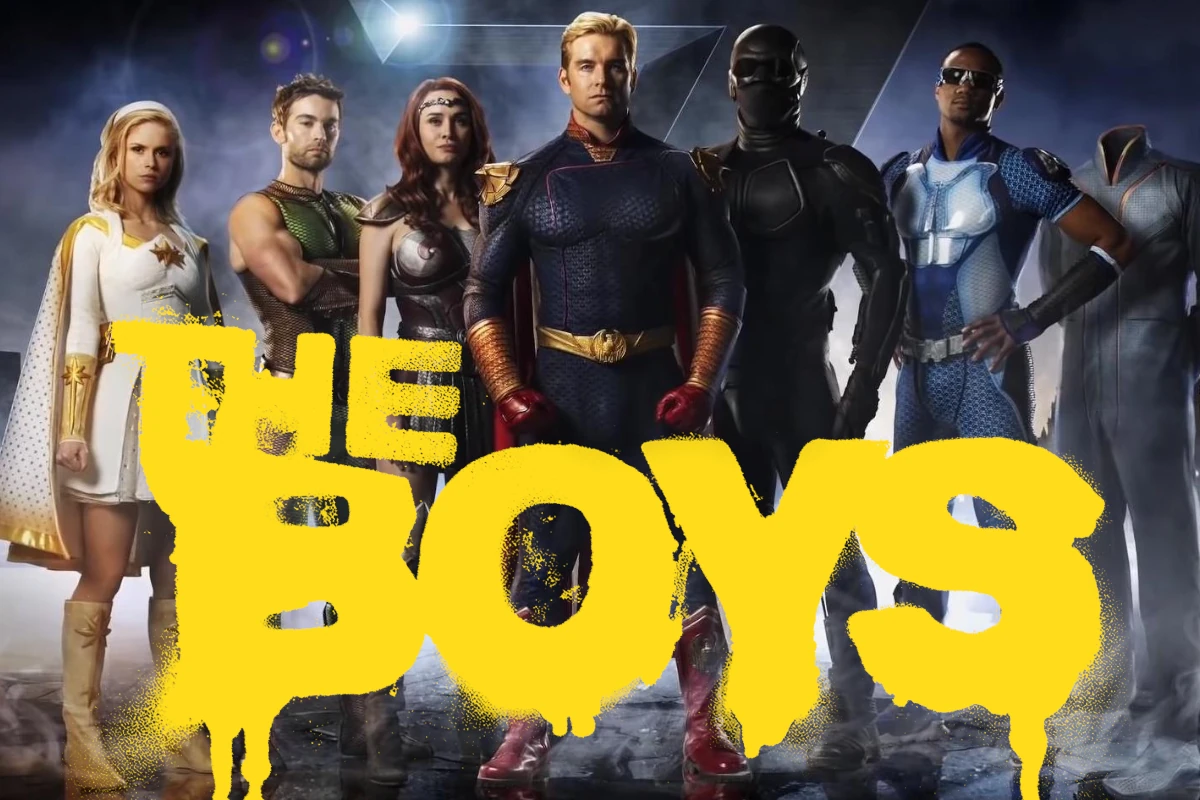
postphx.com – “The Boys” is a dark, satirical superhero comedy-drama series that premiered on Amazon Prime Video on July 26, 2019. Based on the comic book of the same name by Garth Ennis and Darick Robertson, the show offers a unique and cynical perspective on the world of superheroes. Created by Eric Kripke, “The Boys” has garnered a large following for its blend of humor, action, and social commentary.

The Concept and Cast

“The Boys” is set in a world where superheroes, managed by the powerful corporation Vought International, are celebrated as heroes and celebrities. However, beneath their public personas, many of these superheroes are corrupt, self-serving, and dangerous. The series follows the eponymous group, a band of vigilantes led by Billy Butcher, played by Karl Urban, who seek to expose and take down these corrupt heroes. Other notable cast members include Jack Quaid, Antony Starr, Erin Moriarty, and Laz Alonso.

Critical Reception and Awards

“The Boys” has received critical acclaim for its writing, performances, and its take on the superhero genre. The show has been praised for its dark humor, its willingness to tackle controversial topics, and its action-packed sequences. It has been nominated for various awards, including Primetime Emmy Awards and Critics’ Choice Television Awards.

Themes and Impact

“The Boys” explores themes of power, corruption, and the nature of heroism. The series serves as a critique of celebrity culture, corporate influence, and the moral ambiguity of those in power. It challenges the traditional notions of good and evil, presenting a complex narrative that questions the very idea of who deserves to be called a hero.

The Finale and Legacy

As of the knowledge cutoff date in 2024, “The Boys” has continued to expand its universe, with multiple seasons and spin-offs in development. The show’s legacy lies in its ability to redefine the superhero genre, offering a fresh and cynical perspective that resonates with modern audiences. Its impact can be seen in the growing trend of anti-hero narratives and the increasing demand for content that critically examines societal norms and expectations.

Conclusion

“The Boys” stands out as a bold and unconventional take on the superhero genre. Its blend of dark humor, social commentary, and action has made it a standout series in the crowded landscape of comic book adaptations. As it continues to push the boundaries of what superhero stories can be, “The Boys” remains a compelling and thought-provoking watch for fans of the genre and beyond.

Italy: A Beacon of Culture and Economic Might

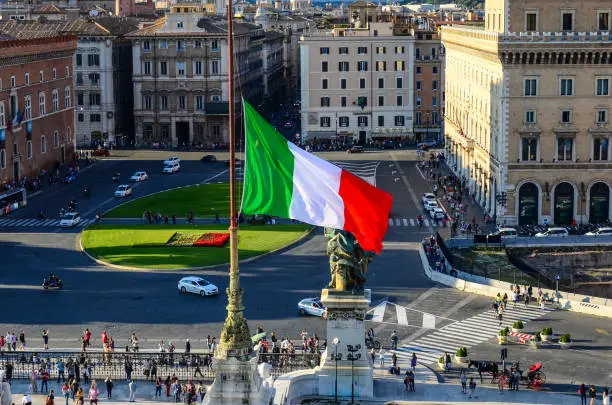
postphx.com – Nestled in the heart of the Mediterranean, Italy stands as a testament to the enduring allure of history, art, and gastronomy. Beyond its cultural richness, Italy is also a significant player on the global economic stage, boasting a robust economy that is the third-largest in the Eurozone. This article delves into the multifaceted nature of Italy, exploring its cultural heritage and its position as an economic powerhouse.

Cultural Heritage: A Legacy of Art and History

Italy’s cultural heritage is unparalleled, with a landscape dotted with ancient ruins, Renaissance art, and architectural marvels. From the Colosseum in Rome to the canals of Venice and the Leaning Tower of Pisa, Italy’s landmarks are icons of human achievement and creativity.

Art and Architecture

The country is home to some of the world’s most renowned artists, including Leonardo da Vinci, Michelangelo, and Raphael. Their masterpieces, such as the Mona Lisa, the Sistine Chapel ceiling, and the School of Athens, continue to draw millions of visitors each year. Italian architecture, with its emphasis on symmetry, proportion, and harmony, has influenced building design worldwide.

Fashion and Design

Italy’s influence extends to fashion and design, with Milan and Florence leading the way in haute couture and prêt-à-porter. Brands like Gucci, Prada, and Armani are synonymous with luxury and style, while the country’s design sector, from furniture to automobiles, is celebrated for its innovation and aesthetic appeal.

Economic Power: A Diverse and Dynamic Economy

Italy’s economy is characterized by a diverse range of industries, from manufacturing and tourism to fashion and agriculture. Despite challenges, such as regional disparities and political instability, the country has maintained a strong economic presence.

Manufacturing and Exports

The backbone of Italy’s economy is its manufacturing sector, particularly in the production of machinery, vehicles, pharmaceuticals, and food. Italy is one of the world’s largest exporters of wine and olive oil, and its automotive industry, led by companies like Ferrari and Lamborghini, is a symbol of Italian engineering excellence.

Tourism: A Vital Economic Driver

Tourism is another significant contributor to Italy’s economy, with the country attracting over 60 million international visitors annually. The appeal of Italy’s cultural sites, picturesque landscapes, and culinary traditions makes it one of the most visited countries in the world.

Innovation and Entrepreneurship

In recent years, Italy has focused on innovation and entrepreneurship to drive economic growth. The country has invested in research and development, particularly in the fields of renewable energy, biotechnology, and digital technology, to foster a new generation of startups and maintain its competitive edge.

Conclusion

Italy’s enduring legacy as a cultural beacon and its status as an economic powerhouse are intertwined. The country’s rich cultural heritage not only attracts tourists and investors but also inspires innovation and creativity in its industries. As Italy continues to navigate the complexities of the modern world, its blend of tradition and dynamism ensures that it will remain a significant force on the global stage.

Repositories of Knowledge and Culture: The World’s Libraries

postphx.com – The world’s libraries are not just repositories of knowledge and culture; they are also centers of learning, research, and community engagement. From ancient times to the digital age, libraries have played a crucial role in preserving and disseminating information, fostering literacy, and supporting educational and scholarly activities. Here is an overview of some of the most significant libraries around the world, highlighting their contributions to the global tapestry of knowledge and culture:

Ancient Libraries

  • Library of Alexandria (Ancient Egypt): One of the largest and most significant libraries of the ancient world, it was a major center of scholarship. Although it was destroyed, the modern Bibliotheca Alexandrina is a tribute to its legacy.
  • Library of Ashurbanipal (Ancient Assyria): Located in Nineveh, it is the oldest organized library in the world, containing thousands of clay tablets with texts on literature, religion, and science.

Medieval and Renaissance Libraries

  • The Vatican Library (Vatican City): Founded in the 15th century, it is one of the world’s oldest libraries and contains some of the most valuable collections of historical texts and documents.
  • Bodleian Libraries (University of Oxford, UK): Dating back to the 14th century, it is one of the oldest libraries in Europe and a major research library.

National Libraries

  • Library of Congress (United States): The largest library in the world, with millions of items on thousands of acres, it is not only a legislative library but also a national treasure.
  • British Library (UK): Home to the Magna Carta, the Codex Sinaiticus, and a vast collection of manuscripts, maps, and historical items, it is one of the greatest libraries in the world.
  • National Library of France (France): With a collection of over 15 million documents, it is one of the largest and oldest libraries in the world.

Modern and Special Libraries

  • New York Public Library (USA): An iconic symbol of the city’s cultural heritage, it is one of North America’s largest libraries.
  • Royal Library of Denmark (Denmark): Known for its distinctive architecture and extensive collections, it is a center for research and cultural activities.
  • National Diet Library (Japan): The national library of Japan, it plays a crucial role in the country’s cultural and scholarly pursuits.

Digital Libraries and the Future

  • Internet Archive: A non-profit digital library offering free universal access to books, movies, music, and more.
  • Google Books: An initiative to digitize the world’s books, making them searchable and accessible online.

Libraries continue to evolve in response to technological advancements and changing societal needs. They remain vital institutions, offering not just books and resources but also programs, services, and spaces that foster community, learning, and cultural enrichment. Whether physical or digital, libraries are indispensable to the preservation of human knowledge and the promotion of cultural diversity.

Understanding the Culture and Fandom: K-pop Beyond the Beat

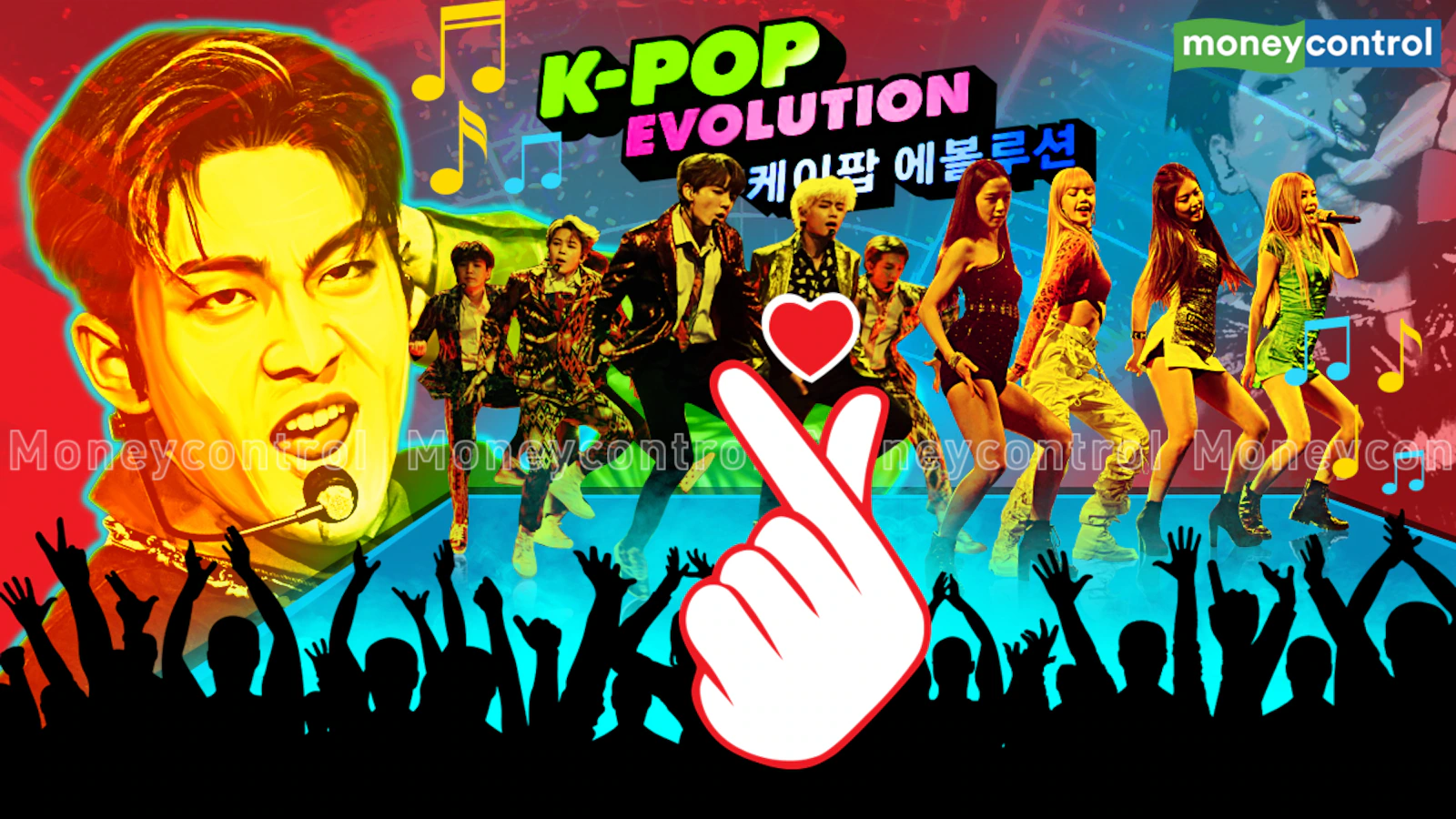
K-pop, short for Korean pop, is more than just a music genre; it’s a cultural phenomenon that has transcended borders, languages, and age groups to captivate millions of fans worldwide. Beyond the catchy tunes, intricate choreographies, and visually stunning music videos, K-pop embodies a unique blend of music, fashion, and fan culture that has revolutionized the global entertainment industry. This article delves into the multifaceted world of K-pop, exploring its cultural significance and the fervent fandom that fuels its global success.

The Birth of a Phenomenon

K-pop’s roots can be traced back to the early 1990s, with the genre gaining international recognition in the late 2000s and exploding in popularity in the 2010s. The South Korean government played a pivotal role in the genre’s global expansion, recognizing the potential of cultural exports as a means to boost the nation’s economy and soft power. This strategic push, coupled with the internet’s global reach, allowed K-pop to spread far and wide, breaking into markets traditionally closed to foreign music.

Understanding the Culture

K-pop is characterized by its wide-ranging musical and visual influences, including elements from pop, rock, electronic dance music, hip-hop, and R&B. This eclectic mix, combined with high-quality production values, has set K-pop apart from other music genres. However, the culture extends beyond music to encompass fashion, beauty, and lifestyle trends. K-pop idols are trendsetters, influencing everything from hairstyles and makeup to fashion and even language. The “Hallyu” or Korean Wave, of which K-pop is a significant part, has introduced the world to Korean dramas, cuisine, and beauty standards, creating a comprehensive cultural package.

The Role of Entertainment Companies

K-pop idols are meticulously groomed by entertainment companies, which play a crucial role in the genre’s success. These companies invest heavily in talent scouting, training, and producing their artists, often from a very young age. The training process is rigorous, covering not just singing and dancing but also acting, hosting, and foreign languages, making K-pop idols multi-talented entertainers. This comprehensive approach ensures that K-pop groups are well-equipped to engage with their global audience on various platforms.

The Power of Fandom

At the heart of K-pop’s global success is its dedicated fanbase. K-pop fans, known as “K-pop stans,” are renowned for their loyalty, passion, and organizational skills. They form online communities, create fan clubs, and engage in various activities to support their favorite artists, from streaming music videos to organizing charity events. The fandom’s collective power has broken numerous records, propelling K-pop groups to the top of music charts worldwide and securing their idols’ global recognition.

Social Impact and Challenges

K-pop has had a significant social impact, promoting cultural exchange and breaking down stereotypes. It has provided a platform for discussions on important issues, including mental health, diversity, and social justice. However, the industry is not without its challenges, facing criticism for its demanding work schedules, the pressure on idols to maintain a perfect image, and the intense scrutiny from fans and the media. Despite these challenges, K-pop continues to evolve, with artists and companies working towards creating a healthier and more inclusive industry.

Conclusion

K-pop Beyond the Beat is a testament to the genre’s profound impact on global culture and entertainment. It’s a celebration of diversity, creativity, and the unbreakable bond between artists and their fans. As K-pop continues to grow and evolve, its influence on the world stage is undeniable, proving that music truly knows no boundaries. The K-pop phenomenon is not just about the beat; it’s about the culture, the community, and the connection that transcends borders, bringing people together in a shared love for the art and its creators.