The Humanitarian Crisis in Venezuela: Perspectives & Solutions

postphx.com – The humanitarian crisis in Venezuela has reached unprecedented levels, characterized by severe shortages of food, medicine, and other essential goods, leading to a dramatic decline in the enjoyment of economic and social rights for its citizens. This crisis, which has been exacerbated by political instability and economic mismanagement, has prompted international concern and various proposed solutions.

Perspectives on the Crisis

  1. Political and Economic Context: The crisis is deeply rooted in the country’s political and economic policies, which have led to hyperinflation, currency devaluation, and a collapse in the provision of basic services. The government’s response has been inadequate, with officials often denying the severity of the crisis and obstructing international aid efforts.
  2. International Response: The international community has been divided in its approach to the crisis. Some countries, including the United States, have imposed sanctions on the Venezuelan government, aiming to pressure it into political change. Others, such as Mexico and Uruguay, have advocated for dialogue and peaceful solutions, proposing mechanisms like the “Montevideo Mechanism” to facilitate negotiations.
  3. Human Rights Implications: The crisis has severe human rights implications, with reports of increased violence, lack of access to healthcare, and widespread food insecurity. The UN and various human rights organizations have called for immediate action to address these issues.

Proposed Solutions

  1. Political Dialogue and Transition: Many experts and international bodies have called for an inclusive political dialogue to address the root causes of the crisis. This includes the need for a democratic transition that involves all political actors and respects the will of the Venezuelan people48.
  2. Humanitarian Aid and Support: There is a pressing need for humanitarian aid to alleviate the immediate suffering of the Venezuelan population. This includes the provision of food, medicine, and other essential goods. International organizations and NGOs have been active in this area, but their efforts are often hampered by government obstruction.
  3. Economic Reforms: Long-term solutions require comprehensive economic reforms to stabilize the currency, reboot the private sector, and address the structural issues that have led to the crisis. This includes addressing corruption and mismanagement that have plagued the Venezuelan economy.
  4. Regional and International Cooperation: A coordinated regional and international response is crucial to address the crisis effectively. This includes supporting the efforts of neighboring countries to manage the influx of refugees and migrants.

Conclusion

The humanitarian crisis in Venezuela is a complex issue that requires a multifaceted approach involving political, economic, and humanitarian interventions. While there is no single solution, a combination of political dialogue, humanitarian aid, economic reforms, and regional cooperation offers a pathway forward. The international community must continue to engage with all stakeholders to ensure that the crisis is addressed effectively and that the Venezuelan people can once again enjoy their basic rights and dignity.
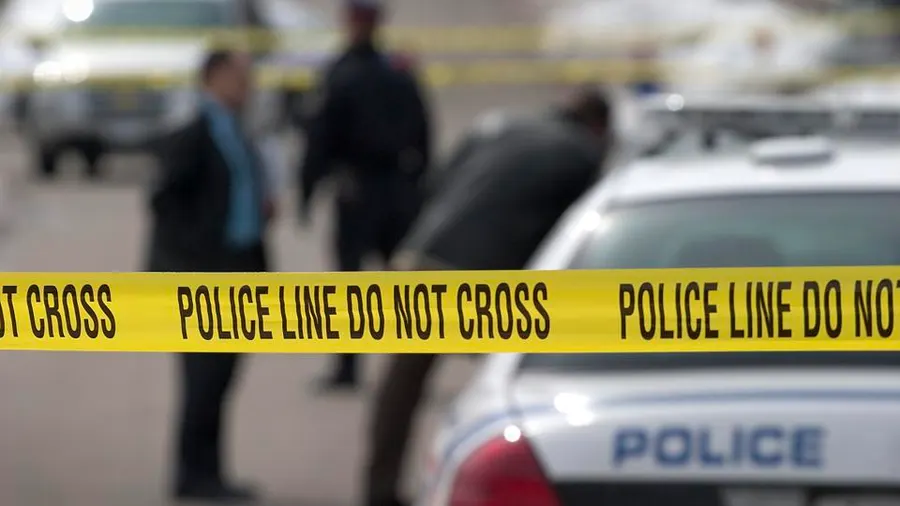
The Police Perspective: Crime and Justice

postphx.com – The landscape of crime and justice is complex, multifaceted, and ever-evolving. At the heart of this landscape is the police force, an institution tasked with maintaining public order, enforcing the law, and ensuring the safety of citizens. The police perspective on crime and justice is crucial for understanding the challenges, strategies, and reforms necessary to effectively combat crime and uphold the rule of law. This article delves into the police perspective on crime and justice, exploring their role, challenges, and the impact of societal changes on their operations.

The Role of Police in Society

The primary role of the police is to serve and protect the community. This involves a wide range of responsibilities, from patrolling the streets to responding to emergencies, investigating crimes, and apprehending suspects. Police officers are the first line of defense against crime, and their actions directly influence public safety and perceptions of justice.

Challenges Faced by Police

The police face numerous challenges in their efforts to maintain law and order. These include:

  • Rising Crime Rates: In areas with high crime rates, police are often stretched thin, trying to respond to multiple incidents simultaneously.
  • Resource Constraints: Budget cuts and limited resources can hinder police operations, affecting everything from patrol car availability to training programs.
  • Public Perception and Trust: Negative media portrayals and instances of police misconduct can erode public trust, making community policing more challenging.
  • Technological Advancements: While technology can aid in crime prevention and investigation, it also presents new challenges, such as cybercrime and the need for constant training to stay updated.

The Impact of Societal Changes

Societal changes, including demographic shifts, technological advancements, and evolving attitudes towards law enforcement, significantly impact the police perspective on crime and justice. For instance, the rise of social media has changed how police interact with the public and gather intelligence. Similarly, movements advocating for police reform and accountability have led to changes in policing strategies and practices, emphasizing community engagement and de-escalation techniques.

Strategies for Effective Policing

Effective policing requires a multifaceted approach that includes:

  • Community Policing: Building strong relationships with the community is crucial for gaining trust and cooperation, which are essential for crime prevention and solving.
  • Training and Education: Continuous training in areas such as de-escalation, mental health, and cultural sensitivity can improve police responses to various situations.
  • Technology Integration: Leveraging technology for crime mapping, data analysis, and communication can enhance police efficiency and effectiveness.
  • Accountability and Transparency: Implementing clear protocols for oversight and accountability can help rebuild public trust and ensure justice is served.

Conclusion

The police perspective on crime and justice is shaped by a complex interplay of factors, including their role in society, the challenges they face, and the impact of societal changes on their operations. Effective policing requires not only a commitment to serving and protecting the community but also a willingness to adapt to new challenges and embrace reforms that promote justice, accountability, and trust. As society continues to evolve, the police must remain at the forefront of these changes, ensuring that their strategies and practices reflect the needs and values of the communities they serve.