
Masters of the Three-Dimensional: Sculpting the Extraordinary

postphx.com – In the vast expanse of the art world, where creativity knows no bounds, the art of sculpting stands out as a testament to human ingenuity and skill. Sculptors, the masters of the three-dimensional, have the unique ability to breathe life into inanimate materials, transforming them into extraordinary works that captivate the senses and stir the soul. From ancient civilizations to the modern era, these artists have pushed the boundaries of their medium, leaving an indelible mark on the cultural landscape.

The origins of sculpture can be traced back to prehistoric times, with early examples found in the form of small figurines and monumental statues. These early works, such as the Venus of Willendorf or the colossal statues of Easter Island, speak to the universal human desire to create and express through form. As civilizations evolved, so too did the art of sculpture, with ancient cultures like the Egyptians, Greeks, and Romans elevating it to new heights. The meticulously crafted sphinxes and serene faces of the Pharaohs, the idealized figures of Greek athletes, and the grand imperial portraits of Roman emperors all reflect the societal values and artistic prowess of their times.

The Renaissance was a golden age for sculpture, with masters like Michelangelo and Donatello redefining the possibilities of the medium. Michelangelo’s David, with its perfect anatomical precision and profound emotional depth, remains one of the most iconic sculptures in history. The artist’s ability to reveal the figure from within the marble, as if freeing it from its stone prison, showcases the sculptor’s role as both creator and liberator.

As art moved into the modern era, sculptors continued to innovate, embracing new materials and techniques. Auguste Rodin’s The Thinker and The Gates of Hell challenged traditional notions of beauty and form, introducing a sense of movement and introspection into his works. The 20th century saw further experimentation, with artists like Henry Moore and Louise Bourgeois exploring the abstract and the surreal, pushing the boundaries of what sculpture could convey.

Today, the art of sculpture is more diverse than ever, with artists working in a myriad of mediums from traditional stone and bronze to unconventional materials like plastic, glass, and even light. The works of contemporary sculptors like Anish Kapoor and Olafur Eliasson invite viewers to engage with their creations on a deeply personal level, often blurring the lines between art, science, and philosophy.

What unites these masters of the three-dimensional across the ages is their shared ability to evoke emotion and thought through form. Sculpture, in its essence, is a dialogue between the artist and the material, a negotiation of space and mass that results in something greater than the sum of its parts. It is an art form that demands presence, inviting viewers to walk around it, to view it from different angles, and to experience it in its entirety.

Sculpting the extraordinary is not just about the creation of objects; it is about the creation of experiences. It is about challenging perceptions, questioning the status quo, and inviting the world to see the familiar in a new light. The masters of sculpture have always been pioneers, leading the way in exploring the possibilities of their medium and leaving behind a legacy that continues to inspire and provoke.

In a world that is increasingly digital and two-dimensional, the art of sculpture serves as a powerful reminder of the tactile and the tangible. It is a celebration of the physical world and a testament to the enduring human need to create and connect through form. As we continue to navigate the complexities of the modern age, the works of these extraordinary sculptors stand as beacons of creativity, skill, and the relentless pursuit of the extraordinary.
Fish Tales: Unusual species and their amazing lives

The underwater world is a vast and mysterious realm, teeming with life in all its forms. Among the most fascinating inhabitants of this blue planet are the fish, a diverse group of vertebrates that have adapted to an extraordinary range of environments. From the deepest trenches of the ocean to the highest mountain streams, fish have evolved remarkable traits that allow them to thrive in their respective habitats. In this article, we will explore some of the most extraordinary fish species and their unique lives, highlighting the incredible diversity and adaptability of these aquatic creatures.

  1. The Coelacanth: A Living Fossil
    The coelacanth, once thought to have been extinct for 66 million years, was discovered alive in 1938 off the coast of South Africa. This “living fossil” is a rare example of an ancient lineage that has changed little over millions of years. Coelacanths are of particular interest to scientists because they share many characteristics with the fish that first ventured onto land, making them a key to understanding the evolution of vertebrates.
  2. The Mola Mola: The World’s Heaviest Bony Fish
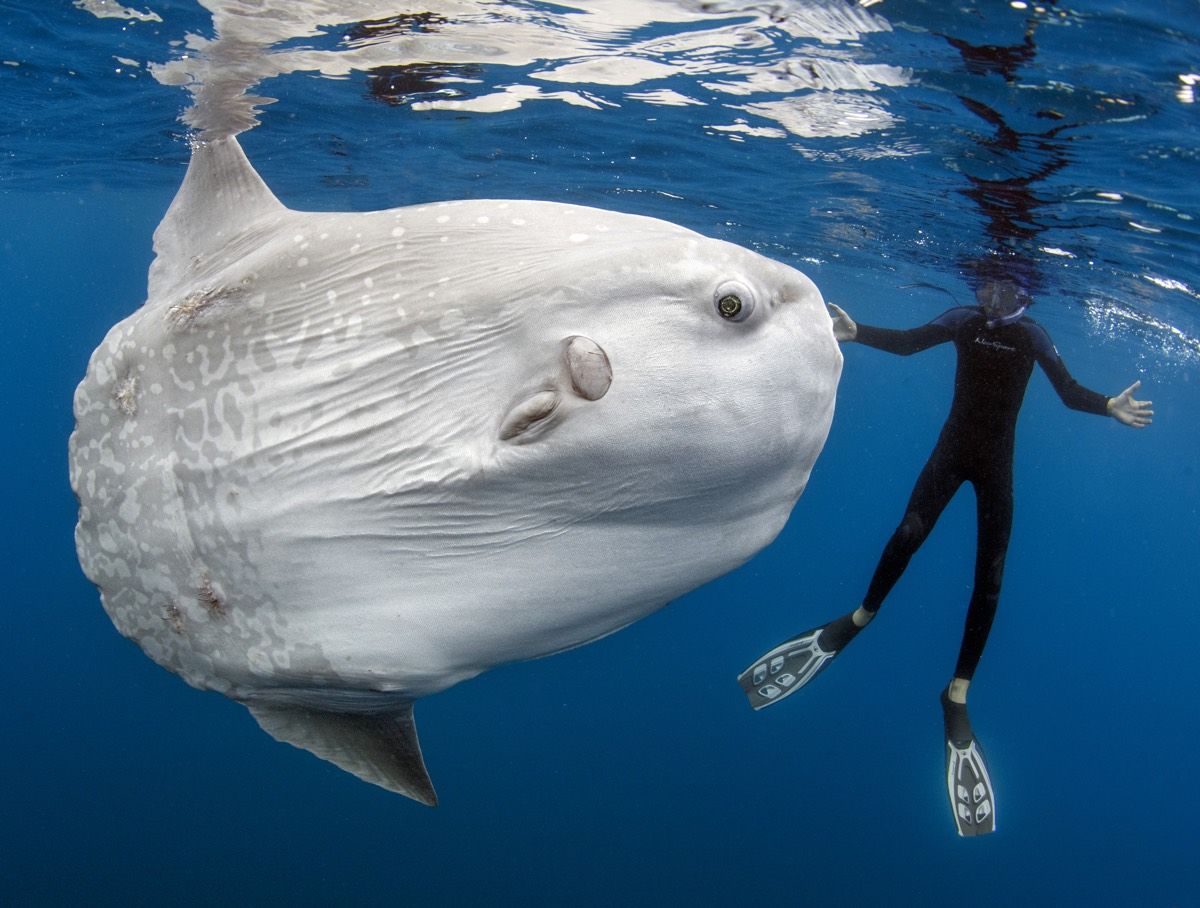
    The ocean sunfish, or mola mola, is an oddity among fish. With a body that is as tall as it is long, the mola mola can weigh up to 2,200 kilograms (4,850 pounds), making it the heaviest bony fish in the world. Despite its size, the mola mola is a gentle giant that feeds primarily on gelatinous creatures like jellyfish. Its unusual shape and lack of a true tail fin make it an intriguing subject for marine biologists.
  3. The Anglerfish: Masters of Deep-Sea Deception
    Anglerfish are a family of fish known for their bizarre and varied appearances. They are perhaps best known for the bioluminescent lure that dangles from their heads, which they use to attract prey in the dark depths of the ocean. Some anglerfish species exhibit extreme sexual dimorphism, with males being much smaller than females and, in some cases, permanently attaching themselves to a female, losing their digestive organs and becoming dependent on her for nutrition.
  4. The Archerfish: Sharpshooters of the Water
    The archerfish is a remarkable species that has developed a unique hunting technique. It shoots jets of water at insects and other small animals sitting on vegetation above the water’s surface, knocking them into the water where they can be eaten. This requires incredible precision and the ability to compensate for refraction, making the archerfish a prime example of animal intelligence and adaptation.
  5. The Electric Eel: A Shocking Predator
    Although not a true eel, the electric eel is a freshwater fish capable of generating powerful electric shocks, which it uses for both hunting and defense. These shocks can be up to 600 volts, strong enough to stun or even kill nearby prey. The electric eel’s ability to produce electricity has fascinated scientists and has been studied extensively for its potential applications in technology and medicine.
  6. The Clownfish and Its Symbiotic Relationship
    Clownfish, made famous by the movie “Finding Nemo,” have a remarkable symbiotic relationship with sea anemones. They are immune to the stinging tentacles of their host anemones, which provide them with protection from predators. In return, the clownfish clean the anemone and even entice other fish to come close, which the anemone can then capture. This mutualistic relationship is a beautiful example of co-evolution.
  7. The Great White Shark: Apex Predator
    The great white shark is one of the ocean’s most feared predators, known for its size, power, and sharp teeth. Despite their fearsome reputation, great whites play a crucial role in their ecosystems as apex predators, helping to maintain balance among marine populations. Their life history, including their migratory patterns and hunting strategies, continues to be a subject of extensive research.
  8. The Lungfish: Survivors of the Ages
    Lungfish are ancient creatures that have survived for over 300 million years, bridging the gap between water and land. They possess a primitive lung-like organ that allows them to breathe air, which they use to survive in oxygen-poor waters or during droughts when their habitats dry up. This adaptation has allowed lungfish to endure through the ages, making them one of the most resilient species on the planet.

The extraordinary species highlighted here are just a glimpse into the vast array of fish that inhabit our waters. Each has its own unique story of survival, adaptation, and co-evolution, showcasing the incredible diversity of life in the aquatic realm. As we continue to explore and learn about these remarkable creatures, we gain a deeper appreciation for the complexity and beauty of the natural world.