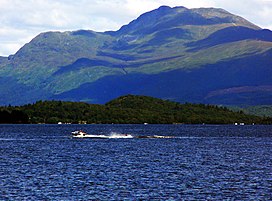
Ben Lomond: A Gentle Giant with Stunning Views

postphx.com – Ben Lomond, a majestic mountain in the Scottish Highlands, is a popular destination for hikers of all abilities. Its relatively gentle slopes and well-maintained paths make it an ideal choice for those looking to experience the beauty of the Scottish Highlands without the technical challenges of more demanding peaks.

A Scenic Ascent

The most popular route to the summit of Ben Lomond is the Ptarmigan Path, which begins at Rowardennan on the shores of Loch Lomond. This well-marked trail winds its way up the mountain’s eastern slopes, offering stunning views of the loch and the surrounding countryside at every turn.

As you ascend, you’ll pass through a variety of landscapes, from lush forests to rocky outcrops. The path is relatively gentle, making it suitable for most fitness levels. However, the higher you climb, the steeper the terrain becomes, so be prepared for a bit of a challenge.

A Rewarding Summit

Reaching the summit of Ben Lomond is a truly rewarding experience. From the top, you’ll be treated to breathtaking panoramic views of Loch Lomond, the Trossachs National Park, and the distant peaks of the Scottish Highlands. On a clear day, you can even see as far as the Isle of Arran.

A Diverse Ecosystem

Ben Lomond is home to a diverse ecosystem, with a variety of plant and animal life. The mountain’s lower slopes are covered in lush forests, while the higher reaches are characterized by rocky outcrops and alpine meadows. Keep an eye out for red deer, mountain hares, and a variety of bird species, including golden eagles and ptarmigan.

A Cultural Icon

Ben Lomond has long been a source of inspiration for artists, writers, and poets. Its dramatic beauty and enduring allure have captivated the hearts of many. The mountain’s association with Scottish history and folklore adds to its mystique, making it a truly iconic symbol of the Scottish Highlands.
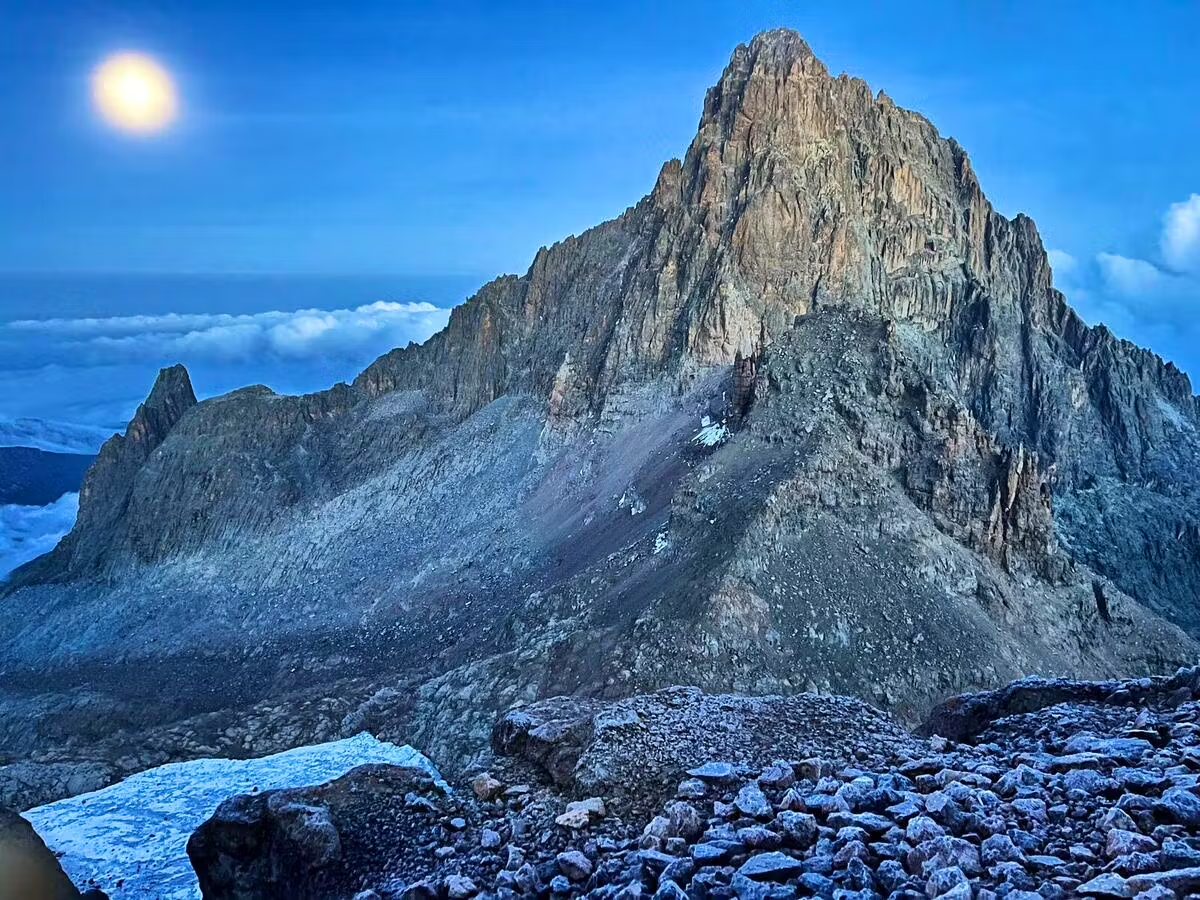
The Equatorial Snowcap of Africa: Mount Kenya

postphx.com – Nestled within the heart of Kenya, Mount Kenya stands as a majestic sentinel, its snow-capped peaks piercing the African sky. This dormant stratovolcano, the second-highest peak in Africa, is not only a natural wonder but also a symbol of cultural and ecological significance. Its unique position straddling the equator makes it one of the few places on earth where snow and glaciers exist so close to the equator. This article delves into the allure, history, and challenges facing Mount Kenya, the equatorial snowcap of Africa.

The Allure of Mount Kenya

Mount Kenya, with its three main peaks – Batian, Nelion, and Lenana – offers a breathtaking spectacle. The mountain’s lower slopes are covered in dense forests, which give way to moorland and finally the glacial peaks. This diverse ecosystem supports a rich variety of flora and fauna, making it a haven for wildlife and a paradise for hikers and climbers.

Cultural Significance

For the local Kikuyu people, Mount Kenya is more than just a natural landmark; it is a sacred place, embodying the spiritual and cultural heritage of their ancestors. The mountain is believed to be the dwelling place of Ngai, the God of the Kikuyu. This deep-rooted connection has influenced the way the mountain is perceived and treated, emphasizing the importance of preserving its natural beauty and ecosystem.

The Challenge of Climate Change

Despite its beauty and cultural significance, Mount Kenya faces significant challenges, primarily from climate change. The mountain’s glaciers have been retreating at an alarming rate, a trend that has been observed and documented over the past century. Scientists predict that if current trends continue, Mount Kenya’s glaciers could disappear entirely within the next few decades.

Conservation Efforts

In response to these threats, various conservation efforts have been initiated to protect Mount Kenya and its ecosystem. These include the establishment of the Mount Kenya National Park, which aims to preserve the mountain’s unique biodiversity and cultural heritage. Additionally, there are ongoing efforts to raise awareness about the importance of protecting the mountain and to promote sustainable tourism practices.

The Future of Mount Kenya

As we look to the future, the fate of Mount Kenya’s snowcap remains uncertain. However, the collective efforts of governments, conservationists, and local communities offer a glimmer of hope. By working together, there is a chance to preserve this natural wonder for future generations to appreciate and enjoy.

Conclusion

Mount Kenya, with its equatorial snowcap, is a testament to the beauty and diversity of our planet. It serves as a reminder of the delicate balance between nature and human activity and the urgent need to protect our environment. As we continue to explore and learn from this majestic mountain, let us also commit to preserving its unique ecosystem for generations to come.