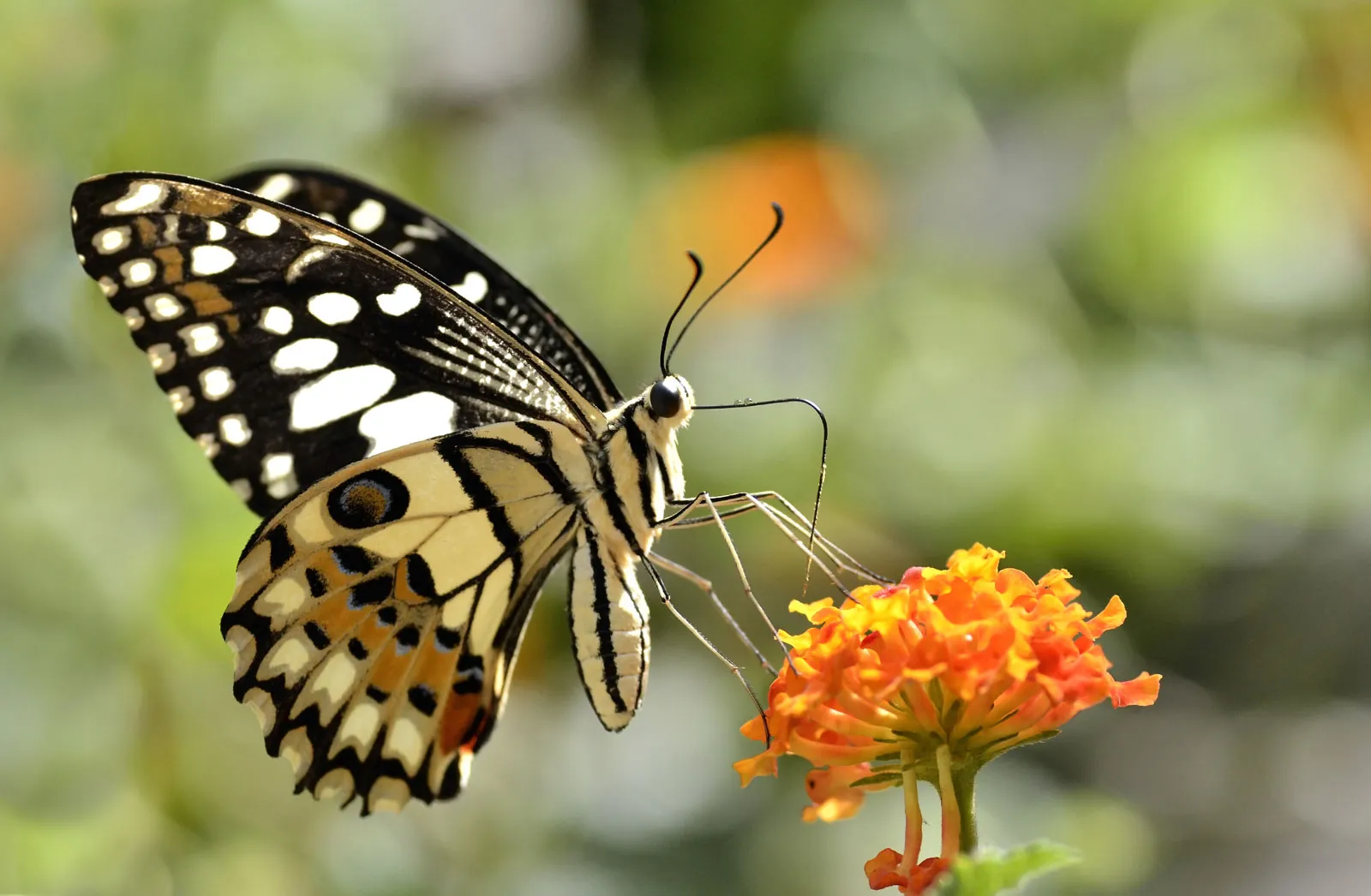
Butterflies: From Caterpillar to Winged Wonder

postphx.com – Butterflies, with their vibrant colors and graceful flight, are among the most beloved insects. But they are far more than just beautiful creatures; they play important roles in ecosystems and undergo a fascinating transformation called metamorphosis. This article explores the captivating world of butterflies, from their life cycle to their ecological significance and the challenges they face.   

Life Cycle: A Metamorphosis Marvel

Butterflies undergo complete metamorphosis, meaning they have four distinct life stages:   

  • Egg: The butterfly life cycle begins with a tiny egg, often laid on a specific host plant.   
  • Larva (Caterpillar): The egg hatches into a larva, commonly known as a caterpillar. This is the growth stage, where the caterpillar consumes vast amounts of foliage to fuel its development. Caterpillars molt their skin several times as they grow.   
  • Pupa (Chrysalis): Once the caterpillar reaches its full size, it forms a pupa, also known as a chrysalis. Inside the chrysalis, the caterpillar undergoes a remarkable transformation, reorganizing its body into that of a butterfly.   
  • Adult (Butterfly): Finally, the chrysalis opens, and a beautiful butterfly emerges. The butterfly’s wings are initially crumpled but quickly expand and dry.   

Anatomy and Physiology: Designed for Flight and Feeding

Butterflies have several unique anatomical features that enable them to thrive:

  • Wings: Butterfly wings are covered in tiny scales, which give them their vibrant colors and patterns. These scales also help with insulation and flight.   
  • Proboscis: Butterflies have a long, straw-like tongue called a proboscis, which they use to sip nectar from flowers. When not in use, the proboscis is coiled up.   
  • Antennae: Butterflies use their antennae to sense their environment, including smells, air currents, and vibrations.   
  • Eyes: Butterflies have compound eyes, which provide them with a wide field of vision and the ability to detect movement.   

Diversity of Butterflies: A Kaleidoscope of Colors and Forms

The world is home to an estimated 20,000 species of butterflies, exhibiting an incredible diversity of colors, patterns, and sizes.

  • Swallowtails (Papilionidae): Known for their distinctive tails on their hindwings.
  • Whites and Sulphurs (Pieridae): Often white, yellow, or orange in color.   
  • Blues, Coppers, and Hairstreaks (Lycaenidae): Small butterflies with often vibrant metallic colors.
  • Brush-footed Butterflies (Nymphalidae): A large and diverse family, including monarchs, admirals, and fritillaries.   

Ecological Roles: Pollinators and Food Source

Butterflies play important roles in ecosystems:

  • Pollination: Like bees, butterflies are important pollinators, transferring pollen between flowers as they feed on nectar.   
  • Food Source: Butterflies and their caterpillars serve as a food source for various animals, including birds, spiders, and other insects.   

Butterfly Behavior: Migration and Mimicry

Butterflies exhibit a range of fascinating behaviors:

  • Migration: Some butterfly species, such as the monarch, undertake long-distance migrations, traveling thousands of miles to overwintering grounds.   
  • Mimicry: Some butterflies mimic the appearance of other species, either to avoid predation (Batesian mimicry) or to reinforce a warning signal (Müllerian mimicry).   
  • Basking: Butterflies often bask in the sun to warm their bodies and become active.   

Threats to Butterfly Populations: Habitat Loss and Climate Change

Butterfly populations face several threats:

  • Habitat Loss: The destruction of natural habitats due to urbanization, agriculture, and deforestation is a major threat.   
  • Pesticide Use: Pesticides can directly kill butterflies or harm their food sources.   
  • Climate Change: Changes in temperature and precipitation patterns can disrupt butterfly life cycles and migrations.   

Conservation Efforts: Protecting These Delicate Creatures

Protecting butterfly populations requires a multi-faceted approach:

  • Habitat Conservation: Protecting and restoring natural habitats is crucial.
  • Creating Butterfly Gardens: Planting native wildflowers and providing host plants can attract butterflies to gardens and urban areas.  
  • Reducing Pesticide Use: Using integrated pest management strategies and avoiding harmful pesticides can protect butterflies.   
  • Citizen Science: Participating in butterfly monitoring programs can help track populations and identify threats.   

Conclusion: Appreciating the Beauty and Importance of Butterflies

Butterflies are not only beautiful to behold but also play vital roles in our ecosystems. By understanding their life cycle, behavior, and the threats they face, we can take action to protect these fascinating creatures for generations to come. Their delicate beauty and intricate life histories make them a true wonder of the natural world.
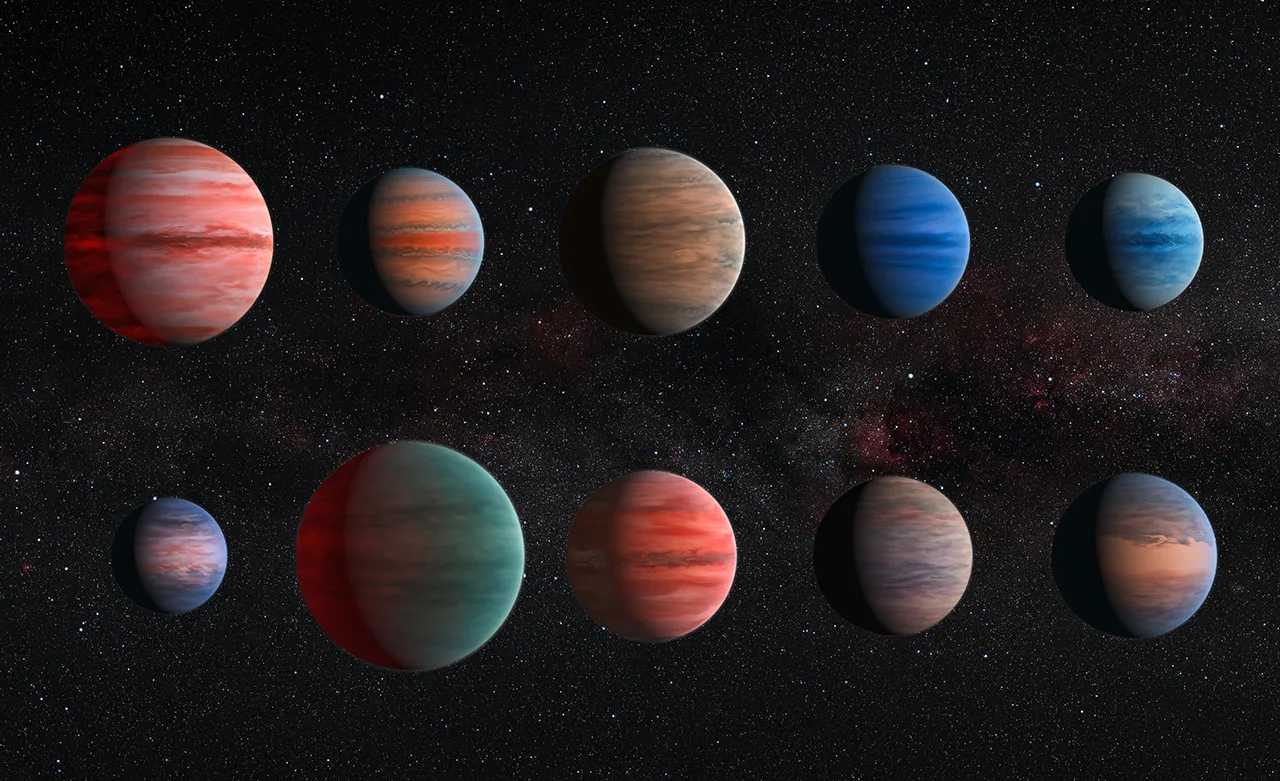
Worlds Beyond Our Solar System: Exoplanets

postphx.com – Exoplanets, short for extrasolar planets, are planets that orbit stars other than our Sun. The study of exoplanets is a relatively young field of astronomy, with the first confirmed detection of an exoplanet occurring in 1992. Since then, thousands of exoplanets have been discovered, and the field has grown rapidly with advancements in technology and observational techniques.

Here are some key aspects of exoplanets and their study:

Discovery Methods:

  1. Transit Method: The most common method, where an exoplanet is detected by the slight dimming of a star’s light as the planet passes in front of it.
  2. Radial Velocity Method: Also known as the Doppler spectroscopy method, it detects the gravitational pull of a planet on its star, causing the star to wobble and its light to shift in wavelength.
  3. Direct Imaging: Takes pictures or spectra of exoplanets directly, which is challenging due to the glare of the host star and the faintness of the planets.
  4. Astrometry: Measures the tiny changes in a star’s position in the sky caused by the gravitational tug of an orbiting planet.
  5. Gravitational Microlensing: Uses the gravity of a star as a lens to magnify the light of a background star, revealing the presence of planets.

Types of Exoplanets:

  1. Hot Jupiters: Gas giants orbiting very close to their stars, with short orbital periods.
  2. Super-Earths/Mini-Neptunes: Planets with masses between that of Earth and Neptune, some of which may be rocky like Earth but larger.
  3. Earth-like Planets: Rocky planets within the habitable zone of their stars, where liquid water could exist.
  4. Neptune-like Planets: Similar in size to Neptune, these are ice giants.
  5. Gas Giants: Similar to Jupiter and Saturn, these are massive planets composed mostly of hydrogen and helium.

Habitability:
The search for exoplanets has been driven in part by the quest to find planets that could potentially host life. The habitable zone, or “Goldilocks zone,” is the region around a star where conditions might be just right for liquid water to exist on a planet’s surface. However, habitability depends on many factors, including a planet’s atmosphere, the presence of a magnetic field, and the type of star it orbits.

Exoplanet Atmospheres:
Scientists study exoplanet atmospheres by analyzing the starlight that passes through them during transits. The light can reveal the presence of various elements and molecules, which can provide clues about the planet’s composition and potential for life.

Exoplanet Missions:
Several space missions and ground-based observatories are dedicated to finding and studying exoplanets, including the Kepler Space Telescope, the Transiting Exoplanet Survey Satellite (TESS), the upcoming James Webb Space Telescope (JWST), and the planned PLATO mission by the European Space Agency (ESA).

Impact on Astronomy:
The discovery of exoplanets has revolutionized our understanding of planetary systems, showing that they are common and diverse. It has also raised questions about the uniqueness of our solar system and the prevalence of life in the universe.

The study of exoplanets continues to be a vibrant and exciting field, with ongoing research aimed at understanding the formation, evolution, and characteristics of these distant worlds.

The Unstable Underbelly: The World’s Most Dangerous Countries

postphx.com – In a world that is increasingly interconnected, the concept of safety and security has become a paramount concern for travelers, expatriates, and even those living in their home countries. While many nations strive to maintain peace and stability, others are plagued by violence, crime, and political unrest. This article delves into the unstable underbelly of the globe, examining the countries that are often considered the most dangerous in the world. It is important to note that the situation in these countries can change rapidly, and the assessment of danger is subjective and can vary based on the source.

The Criteria for Danger:
The determination of a country’s danger level is typically based on several factors, including but not limited to:

  1. Crime Rates: Countries with high levels of violent crime, such as murder, kidnapping, and armed robbery, are often deemed dangerous.
  2. Political Instability: Nations experiencing civil unrest, coups, or ongoing conflicts are considered unstable and potentially dangerous.
  3. Terrorism: The presence of terrorist activities or organizations within a country can significantly impact its safety rating.
  4. Health Risks: The prevalence of diseases, inadequate healthcare facilities, and high rates of infectious diseases can pose significant health risks to visitors and residents alike.
  5. Natural Disasters: Countries prone to natural disasters such as earthquakes, hurricanes, or floods may also be considered dangerous due to the unpredictable nature of these events.

The World’s Most Dangerous Countries:
While the list of dangerous countries can vary depending on the source, several nations consistently appear due to their challenging conditions:

  1. Afghanistan: Riddled with conflict, Afghanistan is one of the most dangerous countries due to ongoing war, terrorism, and a high level of violence.
  2. Syria: The Syrian Civil War has devastated the country, leading to widespread destruction, displacement, and a humanitarian crisis.
  3. Somalia: Known for piracy, terrorism, and clan-based conflicts, Somalia has struggled with stability for decades.
  4. Iraq: Despite progress in some areas, Iraq continues to face sectarian violence, terrorism, and political instability.
  5. Yemen: The Yemeni Civil War, along with a blockade and economic collapse, has created a dire humanitarian situation.
  6. South Sudan: Since gaining independence, South Sudan has been embroiled in a civil war, leading to famine and massive displacement.
  7. Venezuela: Economic collapse, political turmoil, and high crime rates have made Venezuela a dangerous place for both locals and foreigners.
  8. North Korea: The reclusive regime, human rights abuses, and nuclear ambitions make North Korea a country to be wary of.
  9. Libya: Following the fall of Gaddafi, Libya has been fractured by militias and ongoing conflict.
  10. Central African Republic: Religious and ethnic violence has torn the Central African Republic apart, leading to a high level of insecurity.

Conclusion:
The countries listed above face a myriad of challenges that make them dangerous for various reasons. It is crucial to approach the topic with sensitivity, as the conditions in these nations often result from complex historical, political, and social factors. For those considering travel or relocation to such areas, thorough research and consideration of travel advisories are essential. Moreover, the international community plays a role in supporting these nations through diplomacy, aid, and cooperation to help alleviate the conditions that contribute to their instability and danger. As the global landscape evolves, it is hoped that peace and stability can be restored, allowing these countries to rebuild and offer their citizens and visitors a safer environment.

Repositories of Knowledge and Culture: The World’s Libraries

postphx.com – The world’s libraries are not just repositories of knowledge and culture; they are also centers of learning, research, and community engagement. From ancient times to the digital age, libraries have played a crucial role in preserving and disseminating information, fostering literacy, and supporting educational and scholarly activities. Here is an overview of some of the most significant libraries around the world, highlighting their contributions to the global tapestry of knowledge and culture:

Ancient Libraries

  • Library of Alexandria (Ancient Egypt): One of the largest and most significant libraries of the ancient world, it was a major center of scholarship. Although it was destroyed, the modern Bibliotheca Alexandrina is a tribute to its legacy.
  • Library of Ashurbanipal (Ancient Assyria): Located in Nineveh, it is the oldest organized library in the world, containing thousands of clay tablets with texts on literature, religion, and science.

Medieval and Renaissance Libraries

  • The Vatican Library (Vatican City): Founded in the 15th century, it is one of the world’s oldest libraries and contains some of the most valuable collections of historical texts and documents.
  • Bodleian Libraries (University of Oxford, UK): Dating back to the 14th century, it is one of the oldest libraries in Europe and a major research library.

National Libraries

  • Library of Congress (United States): The largest library in the world, with millions of items on thousands of acres, it is not only a legislative library but also a national treasure.
  • British Library (UK): Home to the Magna Carta, the Codex Sinaiticus, and a vast collection of manuscripts, maps, and historical items, it is one of the greatest libraries in the world.
  • National Library of France (France): With a collection of over 15 million documents, it is one of the largest and oldest libraries in the world.

Modern and Special Libraries

  • New York Public Library (USA): An iconic symbol of the city’s cultural heritage, it is one of North America’s largest libraries.
  • Royal Library of Denmark (Denmark): Known for its distinctive architecture and extensive collections, it is a center for research and cultural activities.
  • National Diet Library (Japan): The national library of Japan, it plays a crucial role in the country’s cultural and scholarly pursuits.

Digital Libraries and the Future

  • Internet Archive: A non-profit digital library offering free universal access to books, movies, music, and more.
  • Google Books: An initiative to digitize the world’s books, making them searchable and accessible online.

Libraries continue to evolve in response to technological advancements and changing societal needs. They remain vital institutions, offering not just books and resources but also programs, services, and spaces that foster community, learning, and cultural enrichment. Whether physical or digital, libraries are indispensable to the preservation of human knowledge and the promotion of cultural diversity.