
Arsenic in Historical Artifacts: Preservation and Analysis

postphx.com – Arsenic, a naturally occurring element, has been used in various forms throughout history for both practical and artistic purposes. Its presence in historical artifacts poses both preservation challenges and analytical opportunities. This article explores the historical use of arsenic, its impact on artifact preservation, and the methods used for its detection and analysis.

Historical Use of Arsenic

Arsenic has been utilized in various applications since ancient times. In the context of historical artifacts, it was commonly used in pigments, taxidermy, and embalming:

  1. Pigments: Before the 19th century, arsenic sulfide pigments such as realgar (As₄S₄) and orpiment (As₂S₃) were used in oil paintings to create vibrant orange, red, and yellow hues.
  2. Taxidermy: Arsenic was a key component in the preservation of taxidermy specimens from the 18th century onwards. It was often used in the form of arsenical soap to prevent decay and pest infestation.
  3. Embalming: Arsenic was also employed as an embalming agent, particularly in the 19th century, to preserve human remains.

Preservation Challenges

The presence of arsenic in historical artifacts presents several challenges for their preservation:

  1. Toxicity: Arsenic is a known carcinogen and poses significant health risks to museum staff and visitors. Proper handling and containment protocols are essential to mitigate these risks.
  2. Degradation: Over time, arsenic can cause the degradation of materials, leading to structural instability and discoloration. This necessitates careful monitoring and conservation efforts to maintain the integrity of the artifacts.

Detection and Analysis Methods

Several non-destructive and analytical methods are employed to detect and analyze arsenic in historical artifacts:

  1. X-ray Fluorescence (XRF): This technique is widely used for the non-destructive analysis of arsenic in museum collections. It provides rapid and accurate results without damaging the artifacts.
  2. X-ray Radiography: Used to visualize the internal structure of artifacts, this method can help identify the presence of arsenic and other elements within the material.
  3. Laser Ablation Inductively Coupled Plasma Mass Spectrometry (LA-ICP-MS): This method allows for the precise analysis of elemental composition, including arsenic, in small samples taken from the artifacts.
  4. Chemical Quantitative Analysis: Traditional chemical methods, such as the use of concentrated nitric acid (HNO₃), are also employed to analyze arsenic content in samples.

Conclusion

The presence of arsenic in historical artifacts requires a balanced approach to preservation and analysis. By understanding its historical use and employing advanced detection methods, conservators can ensure the safety and longevity of these valuable pieces of history. Continued research and development in non-destructive analysis techniques will further enhance our ability to study and preserve arsenic-containing artifacts for future generations.
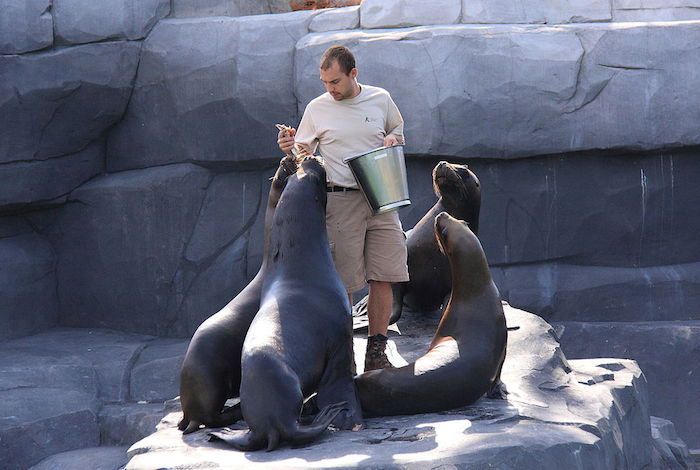
Zoos at the Forefront of Species Preservation

emerged as pivotal institutions in the global effort to preserve biodiversity. Beyond their role as centers for education and recreation, zoos are increasingly recognized as conservation caretakers, playing a crucial role in species preservation. This article delves into the multifaceted strategies zoos employ to safeguard endangered species and the significant impact they have on conservation efforts worldwide.

The Evolution of Zoos: From Exhibition to Conservation

The concept of zoos has evolved dramatically over the centuries. Once places where animals were displayed for entertainment, modern zoos have transformed into conservation powerhouses. This shift reflects a growing awareness of the environmental crisis and the critical role humans play in the survival of many species. Today, zoos are at the forefront of species preservation, combining scientific research, breeding programs, and public education to combat extinction.

Breeding Programs: Saving Species from the Brink

One of the most visible conservation efforts undertaken by zoos is the establishment of breeding programs for endangered species. These programs, often coordinated internationally, aim to increase the genetic diversity and population numbers of species threatened by extinction. Success stories abound, from the Arabian oryx, once extinct in the wild but successfully reintroduced through zoo breeding programs, to the California condor, whose numbers have been steadily climbing thanks to captive breeding initiatives.

Scientific Research and Rehabilitation

Zoos also serve as vital centers for scientific research. By studying animals in controlled environments, researchers can gain insights into their behavior, physiology, and reproductive habits, information that is crucial for conservation efforts in the wild. Additionally, zoos play a key role in the rehabilitation of injured or orphaned wildlife, preparing them for reintroduction into their natural habitats.

Public Engagement and Education

Perhaps one of the most significant contributions zoos make to conservation is their role in public engagement and education. By providing opportunities for people to see and learn about animals they might never encounter otherwise, zoos foster a connection to the natural world that is essential for conservation. Educational programs, interactive exhibits, and conservation campaigns empower visitors to become advocates for wildlife and the environment.

Challenges and Criticisms

Despite their contributions, zoos face challenges and criticisms. Ethical concerns regarding animal welfare and the limitations of captive environments are ongoing debates. Moreover, the success of conservation efforts often depends on addressing the root causes of species decline, such as habitat destruction and climate change, issues that require broader environmental policies and public support.

The Future of Zoo Conservation

Looking ahead, the role of zoos in conservation is likely to expand. Innovations in technology and animal care, combined with a growing emphasis on habitat preservation and rewilding projects, offer new avenues for zoos to contribute to species preservation. As guardians of biodiversity, zoos will continue to play a critical role in ensuring that future generations can experience the wonder of a diverse and thriving natural world.

In conclusion, zoos stand as beacons of hope in the fight against species extinction. Through their commitment to breeding programs, scientific research, public education, and conservation advocacy, zoos are proving to be indispensable caretakers in the global effort to preserve our planet’s precious biodiversity. As we face the challenges of the 21st century, the work of zoos in conservation will be more important than ever.