L’Artisan Parfumeur Dzongkha: Scented Landscapes of Bhutan

postphx.com – L’Artisan Parfumeur has long been renowned for its ability to capture the essence of exotic and rare places, infusing the spirit of these locations into unique and evocative fragrances. One of the most intriguing perfumes in their collection is Dzongkha, a scent that draws its inspiration from the remote and spiritual kingdom of Bhutan. Released in 2005, Dzongkha is an olfactory journey through the mountains, temples, and mystical landscapes of this tiny Himalayan nation.

Named after the official language of Bhutan, Dzongkha is a fragrance that seeks to embody the peaceful yet vibrant spirit of the country. It is both an invitation and a reflection—a scent that takes the wearer through the rugged landscapes of Bhutan, from the towering peaks to the tranquil temples, and even the mystical incense smoke that fills the air. This perfume is a rare treasure that reflects the deep connection between scent, culture, and nature.

The Inspiration Behind Dzongkha

The name Dzongkha refers to the language of Bhutan, a tongue spoken by the majority of the population. However, it also symbolizes the spiritual and cultural heart of the country. Bhutan is a land known for its majestic mountains, its rich Buddhist heritage, and its pristine natural beauty. The perfume, created by renowned perfumer Bertrand Duchaufour, is designed to evoke the soul of Bhutan, a place where nature, religion, and tradition are woven together in a harmonious blend.

Bhutan is a land of serenity and profound spirituality, where the fragrance of incense and the scent of lush, green forests fill the air. Dzongkha aims to reflect this environment, with its earthy, woody, and smoky notes that create an atmosphere of peace and introspection. It is not just a perfume; it is an experience—one that transports the wearer to the heart of the Himalayan kingdom, capturing the spirit of Bhutan through scent.

Notes and Composition

The composition of Dzongkha is both intricate and harmonious, designed to capture the unique and diverse scents of Bhutan’s landscapes. The fragrance is built around a central theme of smoky incense, which plays a pivotal role in Bhutanese culture, as well as the earthy, woody notes that reflect the country’s mountainous terrain. It is a fragrance that is grounded in nature but also elevated by the spiritual and cultural influences that shape Bhutanese life.

  • Top Notes: The fragrance opens with a soft and refreshing burst of cardamom, ginger, and pepper, which provide an immediate sense of warmth and spice. These notes reflect the vibrant and welcoming nature of Bhutan’s people, as well as the rich, aromatic spices that are commonly found in Bhutanese cooking. The cardamom and ginger create a warm, zesty introduction that sets the stage for the deeper, more meditative elements of the perfume.
  • Heart Notes: At the heart of Dzongkha lies a blend of incense and rose, which represents the spiritual and sacred side of Bhutanese culture. Incense is a significant part of Bhutanese life, used in temples and rituals to create a sacred atmosphere. In this fragrance, the incense is smoky and resinous, imbuing the scent with a meditative and calming quality. The rose adds a touch of elegance and depth to the composition, softening the incense and giving the fragrance a more floral, feminine dimension.
  • Base Notes: The base of Dzongkha is where the fragrance takes on its full, earthy character, with leather, sandalwood, cedarwood, and amber. The leather note brings a raw, animalistic edge to the perfume, while the sandalwood and cedarwood provide a woody, grounding quality that mirrors the rugged mountains of Bhutan. The amber adds a touch of warmth and sweetness, rounding out the composition and giving it a soft, enveloping finish. These base notes create a lasting impression that lingers on the skin, evoking the timeless beauty of the Bhutanese landscape.

A Fragrance of Harmony and Spirituality

What sets Dzongkha apart from other perfumes is its ability to combine earthy, woody, and smoky elements with a touch of floral elegance. The fragrance is deeply rooted in the natural world, yet it also has a spiritual and ethereal quality that makes it feel transcendent. The incense at the heart of the perfume gives it a mystical and meditative character, while the woody base notes evoke the sense of standing on the edge of a great mountain range, surrounded by the purity of nature.

Dzongkha is a fragrance that tells a story of balance—between the rawness of nature and the refinement of culture. The combination of spicy top notes, smoky incense, and earthy base notes creates a scent that feels both grounded and elevated. It captures the essence of Bhutan—a country that values harmony between humanity, nature, and the divine.

The fragrance’s complexity lies in its balance of strength and softness. The incense, which could easily overpower a fragrance, is tempered by the softness of the rose and the smoothness of the woody notes. The result is a scent that is rich and enveloping but never overwhelming. It feels like a meditative experience, one that invites contemplation and introspection.

Who is Dzongkha For?

Dzongkha is a fragrance for those who appreciate perfumes with depth, complexity, and a sense of narrative. It is perfect for individuals who love incense and woody fragrances but are looking for something more refined and elegant. The scent is unisex, though it has a certain warmth and depth that may appeal particularly to those who enjoy fragrances with earthy, smoky, and leathery notes.

This perfume is ideal for those who are drawn to natural, spiritual, and cultural themes in their fragrances. Dzongkha evokes a sense of connection to the earth and to ancient traditions, making it a great choice for those who want a scent that feels grounded in history and culture. It is also a wonderful choice for anyone who enjoys wearing perfumes that transport them to distant places and allow them to experience something beyond the ordinary.

Given its rich, smoky character and complex composition, Dzongkha is best suited for cooler weather and evening wear. It is a fragrance that feels intimate and contemplative, making it perfect for quiet moments of reflection or for occasions where you want to make a lasting impression.

Performance and Longevity

Dzongkha is a fragrance with impressive performance. It has a moderate sillage, meaning it projects well without being overpowering. The smoky incense and woody notes create a scent that lingers in the air, creating an atmosphere of peace and tranquility. While it is not an aggressively loud fragrance, it has a presence that will be noticed by those in close proximity.

The longevity of Dzongkha is also noteworthy. The fragrance lasts on the skin for 6-8 hours, with the incense and woody base notes becoming more pronounced as the fragrance settles into its drydown. The perfume evolves over time, with the spice and incense giving way to the deeper, earthy notes of leather and wood, creating a lasting and memorable impression.

Cultural and Artistic Significance

Dzongkha is more than just a perfume—it is an exploration of culture, spirituality, and nature. L’Artisan Parfumeur, known for its commitment to storytelling through scent, has created a fragrance that transports the wearer to the heart of Bhutan, a country where the natural world and spiritual life are deeply intertwined. The fragrance is a reflection of Bhutan’s commitment to preserving its cultural heritage and the natural beauty of its land.

The perfume’s use of incense, leather, and woody notes is deeply symbolic, reflecting the sacred rituals, the rugged landscape, and the timeless spirit of Bhutan. It is a fragrance that invites the wearer to connect with the world around them, to find peace in the simple beauty of nature, and to reflect on the profound spirituality that shapes the people and culture of Bhutan.

Final Thoughts: A Journey Into the Heart of Bhutan

L’Artisan Parfumeur Dzongkha is a fragrance that captures the soul of Bhutan—a land of rugged beauty, spiritual depth, and timeless traditions. With its complex blend of incense, rose, wood, and leather, Dzongkha offers an olfactory journey that is both grounding and transcendent. It is a fragrance that invites the wearer to explore the landscapes and cultures of Bhutan, to connect with the earth, and to reflect on the spiritual beauty that exists in the natural world.

For those who appreciate perfumes with a deep narrative, a strong connection to nature, and a sense of spirituality, Dzongkha is a must-try. It’s a fragrance that will transport you to another place and time, offering a sensory experience that is as powerful as it is evocative. Whether worn as a signature scent or as a special occasion fragrance, Dzongkha is a perfume that leaves a lasting impression, one that speaks to the soul and the senses alike.
Meghan, Duchess of Sussex: A Journey of Activism, Royal Life

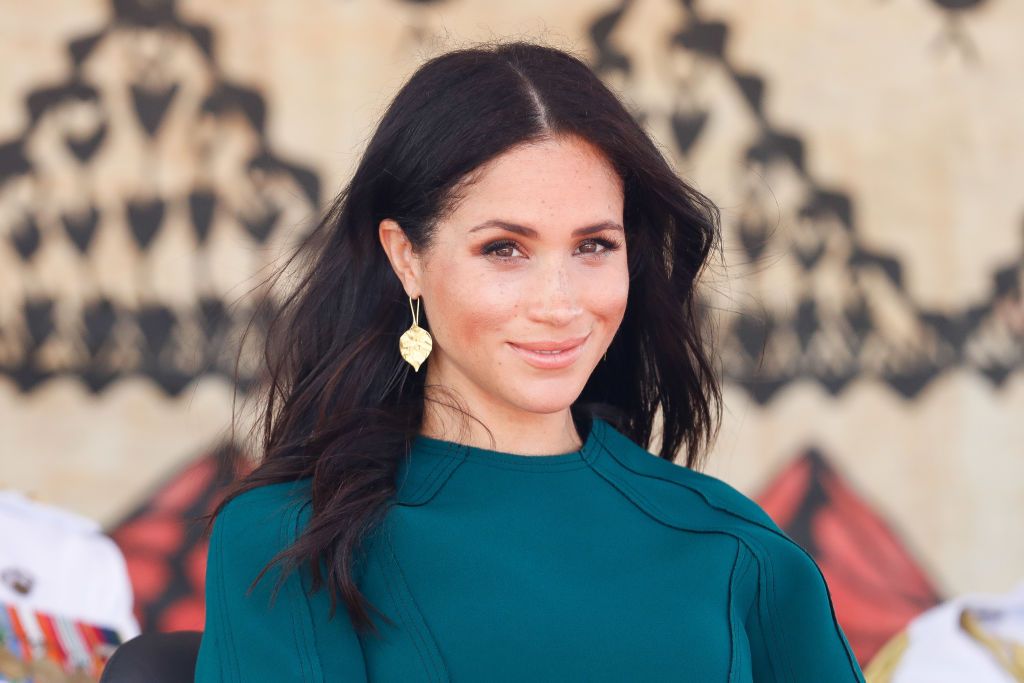
postphx.com – Meghan Markle, known as the Duchess of Sussex, was born Rachel Meghan Markle on August 4, 1981, in Los Angeles, California. Before joining the British royal family, Meghan was already a well-known actress, best recognized for her role in the legal drama Suits. However, her life took a dramatic turn when she married Prince Harry, Duke of Sussex, in 2018. Since then, Meghan has become one of the most prominent and influential figures in the world, known for her advocacy on issues such as gender equality, racial justice, mental health, and environmental sustainability.

Early Life and Career

Meghan was raised in Los Angeles by her mother, Doria Ragland, a social worker, and her father, Thomas Markle Sr., a lighting director for television. Growing up in a mixed-race family, Meghan became aware of the complexities of race and identity from an early age. She attended Northwestern University, where she earned a degree in theatre and international studies, and it was during her time at university that she developed a deep passion for activism and social justice.

Before joining the royal family, Meghan had a successful acting career. She is best known for her role as Rachel Zane on the popular legal drama Suits, a role that helped establish her as a household name. In addition to her acting career, Meghan was also involved in various philanthropic efforts. She worked with several humanitarian organizations, including World Vision and the United Nations Women, advocating for women’s rights and gender equality.

Meeting Prince Harry and Entering Royal Life

Meghan’s life changed forever when she met Prince Harry in 2016. The two were introduced by a mutual friend and quickly developed a close bond. Their relationship grew publicly, culminating in a whirlwind romance that captured the attention of the media and royal fans. The couple announced their engagement in November 2017, and they were married in a spectacular ceremony at St. George’s Chapel at Windsor Castle on May 19, 2018.

Meghan’s marriage to Prince Harry brought her into the spotlight of the British royal family. As the Duchess of Sussex, she became one of the most visible and talked-about members of the royal household. The couple’s marriage was seen as a modern and progressive moment for the royal family, as Meghan, a biracial American actress, brought a fresh perspective to the centuries-old institution. The wedding itself was a symbolic blending of cultures, with nods to Meghan’s African-American heritage, as well as the traditions of the British monarchy.

Advocacy and Charitable Work

As a member of the royal family, Meghan quickly used her platform to champion a wide range of causes. She became an outspoken advocate for women’s rights, gender equality, and mental health, aligning herself with organizations and campaigns that promoted positive change.

One of Meghan’s first major initiatives as a royal was her involvement with the charity Smart Works, which helps women who are unemployed or struggling to get back into the workforce by providing them with clothing, coaching, and professional advice. She has also been a vocal supporter of The Royal Foundation, which she co-founded with Prince Harry, focused on causes like mental health, the empowerment of young people, and conservation efforts.

Meghan’s work on mental health advocacy has been particularly significant. In 2019, she and Prince Harry launched the Heads Together campaign, which aims to reduce the stigma around mental health issues. Meghan’s own experiences with mental health, including her struggles with anxiety and depression, led her to become an advocate for open conversations about mental health.

She has also used her platform to address issues of racial inequality, particularly in the wake of her own experiences with racism within the royal family and the British media. Meghan’s openness about her struggles with racism and her work to support the Black Lives Matter movement have sparked important conversations about race in the UK and beyond.

Stepping Back from Royal Duties

In 2020, Meghan and Prince Harry made the historic decision to step back from their senior royal duties. The couple announced their desire to live a more independent life, balancing their roles as public figures with their commitment to their personal and family life. The decision was controversial, and it led to a series of intense media reports and public scrutiny.

Following their move to North America, Meghan and Harry settled in California, where they focused on building their own foundation, Archewell. The organization is dedicated to advancing social change through a variety of initiatives, including education, health and wellness, and humanitarian work. In addition to their philanthropic efforts, Meghan and Harry signed lucrative deals with media companies like Netflix and Spotify, where they have worked on projects that align with their values of positivity, social justice, and equality.

Meghan has also ventured into other areas, including writing. In 2021, she released her first children’s book, The Bench, which explores the bond between fathers and sons. The book, inspired by her relationship with Harry and their son, Archie, received a warm reception and further solidified Meghan’s status as an influential voice in both the literary and entertainment worlds.

Family Life and Parenting

Meghan and Prince Harry’s decision to step back from royal duties was also motivated by their desire to provide a more private and normal life for their children, Archie Harrison and Lilibet Diana. The couple has worked to create a loving and supportive family environment, one that values privacy and prioritizes their children’s well-being.

Meghan has spoken openly about the joys and challenges of motherhood, as well as the pressures of raising children in the public eye. She has also shared her experiences with miscarriage and her hopes for a more inclusive and compassionate society, particularly when it comes to supporting women and families.

A Legacy of Change and Empowerment

Meghan, Duchess of Sussex, has undeniably left a significant mark on both the royal family and the world. From her advocacy on mental health, women’s rights, and racial equality to her efforts to modernize the monarchy, Meghan’s influence extends far beyond her royal title. She has consistently used her voice and platform to promote causes that matter, even when faced with public criticism and intense media scrutiny.

Her journey from Hollywood actress to royal family member, to independent advocate and philanthropist, has been one of resilience, courage, and determination. Meghan’s impact continues to grow as she focuses on the causes close to her heart, working toward a future where social justice, equality, and empowerment are accessible to all. As the Duchess of Sussex, Meghan has redefined what it means to be a modern royal, and her legacy will continue to inspire generations to come.

Soto: A Delicious Journey into Indonesia’s Traditional Soup

postphx.com – Soto, a beloved traditional Indonesian soup, is a culinary treasure that reflects the rich diversity and cultural heritage of Indonesia. Known for its flavorful broth and variety of ingredients, Soto is a staple in many Indonesian households and can be found in different regional variations across the archipelago. This article explores the origins, ingredients, and cultural significance of this hearty dish.

Origins and History

Soto has a long history in Indonesia, believed to have originated from the Javanese word “sroto” or “coto,” which means soup. The dish has been influenced by various cultures, including Chinese, Indian, and Middle Eastern, resulting in a unique fusion of flavors and ingredients. Each region in Indonesia has developed its own version of Soto, incorporating local ingredients and cooking techniques.

Ingredients

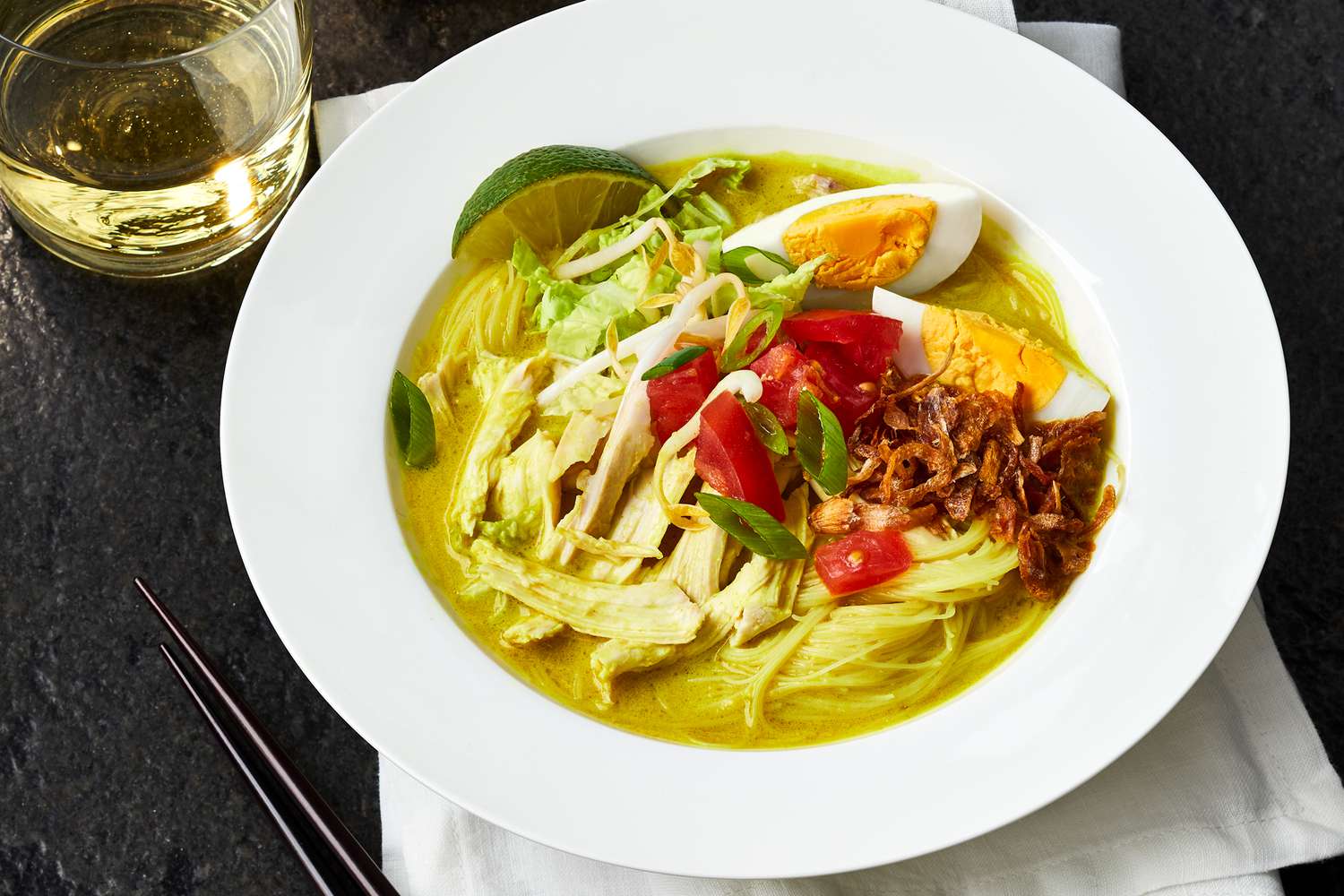
The beauty of Soto lies in its versatility and the wide array of ingredients that can be used. The basic components of Soto include a flavorful broth, typically made from chicken, beef, or goat, and infused with aromatic spices such as lemongrass, turmeric, ginger, and garlic. Common additions to the soup include rice or rice noodles, boiled eggs, shredded chicken or beef, bean sprouts, fried shallots, and lime wedges. The dish is often garnished with fresh herbs like cilantro or scallions, adding a burst of freshness to every bite.

Variations Across Indonesia

Soto comes in many regional variations, each with its own distinct taste and presentation:

  • Soto Ayam: This is the most popular version of Soto, made with chicken broth and served with boiled eggs, vermicelli noodles, and a sprinkle of fried shallots. It is often enjoyed with a side of rice and sambal (chili paste) for added heat.
  • Soto Betawi: Originating from Jakarta, Soto Betawi is characterized by its creamy, coconut milk-based broth, making it rich and indulgent. It typically contains beef or offal, potatoes, and tomatoes.
  • Soto Madura: Hailing from Madura Island, this version is known for its clear, spicy broth and generous use of turmeric, giving it a vibrant yellow color. It usually includes beef and offal, served with rice cakes or lontong.
  • Coto Makassar: A specialty of South Sulawesi, Coto Makassar is made with beef and innards, simmered in a broth seasoned with peanuts, spices, and fermented soybeans. It is traditionally served with ketupat (rice cakes).

Cultural Significance

Soto is more than just a dish in Indonesia; it is a symbol of comfort and community. It is often served at family gatherings, celebrations, and even street food stalls, bringing people together over a shared love of good food. The regional variations of Soto reflect the diverse cultural landscape of Indonesia, with each version offering a unique taste of local traditions and flavors.

Conclusion

Soto is a testament to the rich culinary heritage of Indonesia, showcasing the country’s ability to blend diverse influences and ingredients into a harmonious and delicious dish. Whether enjoyed in a bustling street market or a cozy home kitchen, Soto continues to be a cherished part of Indonesian culture, warming the hearts and stomachs of those who savor it.

The Rise and Influence of 2 Chainz: A Rap Icon’s Journey

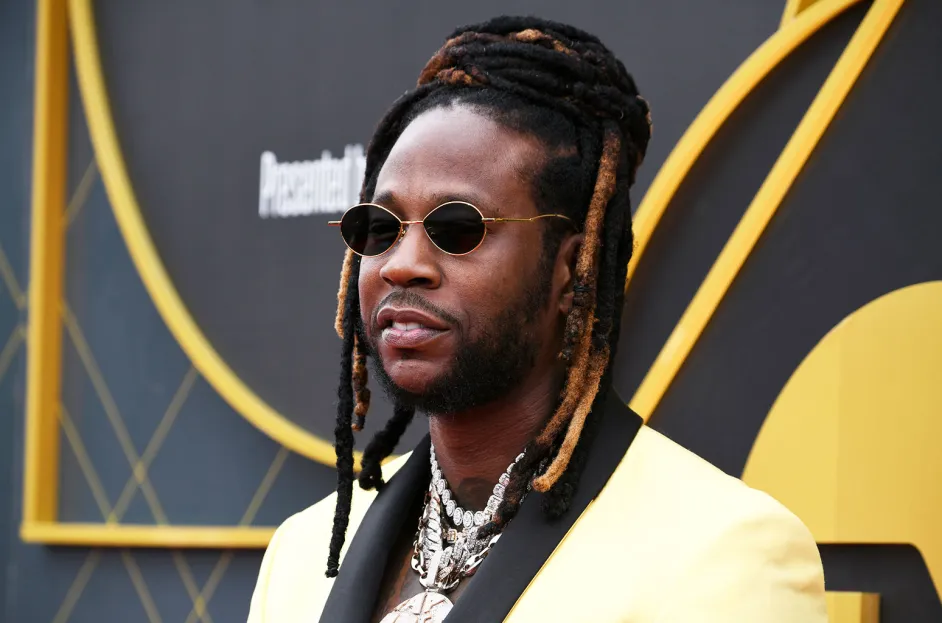
postphx.com – 2 Chainz, born Tauheed Epps, has emerged as one of the most influential figures in the hip-hop industry. With his unique style, charismatic persona, and entrepreneurial spirit, 2 Chainz has left an indelible mark on both music and culture. This article explores his journey from his early beginnings to becoming a rap icon, highlighting his contributions and influence.

Early Life and Career Beginnings

Born on September 12, 1977, in College Park, Georgia, 2 Chainz developed an early interest in music. Initially performing under the moniker “Tity Boi,” he was part of the Southern hip-hop duo Playaz Circle. Their breakthrough came with the single “Duffle Bag Boy,” featuring Lil Wayne, which garnered significant attention and laid the foundation for 2 Chainz’s solo career.

Rebranding and Solo Success

In 2011, Tauheed Epps rebranded himself as 2 Chainz, a move that marked a significant turning point in his career. His debut studio album, “Based on a T.R.U. Story,” released in 2012, debuted at number one on the Billboard 200. The album produced hit singles like “No Lie” featuring Drake and “Birthday Song” featuring Kanye West, establishing 2 Chainz as a force in the rap world.

Musical Style and Influences

2 Chainz’s music is characterized by its catchy hooks, clever wordplay, and a blend of Southern hip-hop and trap elements. His lyrical prowess and ability to craft memorable verses have earned him respect from both fans and peers. Influenced by artists like Outkast and UGK, 2 Chainz has managed to carve out a niche that is distinctly his own.

Entrepreneurial Ventures

Beyond music, 2 Chainz has demonstrated a keen business acumen. He has ventured into various entrepreneurial pursuits, including his own line of merchandise and a popular web series, “Most Expensivest,” where he explores extravagant and luxurious products. These ventures have solidified his status as a multifaceted entertainer and businessman.

Cultural Impact and Legacy

2 Chainz’s influence extends beyond music. He is known for his philanthropic efforts, including supporting educational initiatives and community development projects. His ability to connect with diverse audiences and his commitment to using his platform for positive change have further cemented his legacy.

Conclusion

2 Chainz’s journey from his early days in Georgia to becoming a rap icon is a testament to his talent, perseverance, and vision. As he continues to evolve and innovate, his impact on the music industry and culture remains profound. With a career that spans over two decades, 2 Chainz has undoubtedly earned his place among hip-hop’s elite, inspiring a new generation of artists and entrepreneurs.

The Flavorful Journey of Moroccan Street Food

postphx.com – Morocco’s street food scene is a vibrant tapestry of flavors, colors, and aromas that reflect the country’s rich history and diverse cultural influences. From the bustling streets of Marrakech to the coastal avenues of Casablanca, street food in Morocco is more than just a culinary experience; it’s a journey through the heart of the nation’s traditions and social fabric.

The Essence of Moroccan Street Food

Moroccan street food is characterized by its use of fresh, local ingredients and bold spices such as cumin, coriander, saffron, and paprika. Vendors often prepare dishes using traditional methods, ensuring that each bite is a taste of authenticity. The food is typically served in small portions, making it easy to sample a variety of dishes as you wander through the markets and souks.

Must-Try Moroccan Street Food Dishes

  1. Tagine – A slow-cooked stew named after the conical clay pot in which it’s prepared, featuring a variety of meats, vegetables, and spices.
  2. Harira – A hearty soup made with lentils, chickpeas, tomatoes, and a blend of spices, often served with a sprinkle of cilantro and a squeeze of lemon.
  3. Bastilla – A sweet and savory pie made with layers of filo pastry, filled with pigeon or chicken, almonds, cinnamon, and sugar.
  4. Msemen – A Moroccan version of a stuffed pancake, typically filled with butter, sugar, and sometimes cheese, then folded and cooked on a griddle.
  5. Kefta – Skewered meatballs or minced meat, often seasoned with cumin, parsley, and paprika, grilled and served with bread or couscous.

The Social Aspect of Street Food in Morocco

Street food in Morocco is deeply embedded in the social life of its people. It brings communities together, with vendors and customers engaging in friendly banter and sharing stories. Eating street food is also a communal activity, with friends and family gathering to enjoy a meal, making it a perfect way to experience the warmth of Moroccan hospitality.

The Future of Moroccan Street Food

As Morocco continues to embrace modernity, the future of its street food scene remains promising. While traditional dishes remain popular, there is also a growing trend of fusion cuisine, where Moroccan flavors are combined with international influences. Food festivals and pop-up events are becoming more common, showcasing the creativity and innovation within the street food culture.

Conclusion

Moroccan street food is a treasure trove of culinary delights that encapsulate the essence of the country’s culture and history. Whether you’re savoring a spicy tagine or indulging in a sweet bastilla, each bite tells a story of Morocco’s past while hinting at the exciting possibilities of its future. For food enthusiasts and travelers alike, exploring Moroccan street food is an adventure that promises to tantalize the taste buds and warm the soul.

Journey Through the Wild: Unveiling the Amazon’s Hidden Realms

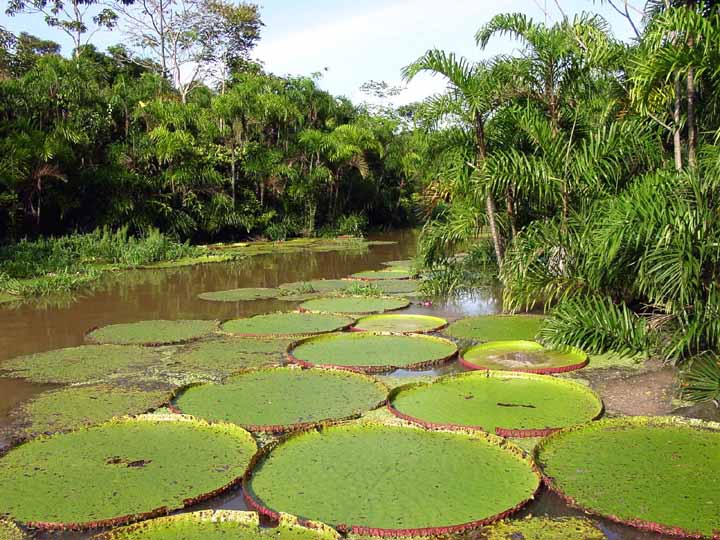
postphx.com – Nestled within the heart of South America lies the Amazon rainforest, a sprawling wilderness that stretches across nine countries and is home to an unparalleled diversity of life. Known as the “lungs of the Earth,” the Amazon is a place of mystery, beauty, and untold stories. “The Amazon’s Hidden Realms: A Journey Through the Wild” is an exploration of this enigmatic ecosystem, a voyage that takes us deep into the heart of the jungle to uncover its secrets and marvel at its wonders.

Biodiversity Exploration

The Amazon rainforest is a treasure trove of biodiversity, harboring over half of the world’s species. From the towering kapok trees that reach for the sky to the delicate orchids that cling to their trunks, the flora of the Amazon is as diverse as it is vital. The forest floor teems with life, where insects, amphibians, and reptiles go about their daily existence in the dim light that filters through the canopy.

Venturing into the Amazon’s hidden realms, one encounters a menagerie of wildlife. The jaguar, the apex predator of the rainforest, moves stealthily through the underbrush. Colorful birds, like the macaw and the hummingbird, dart between the trees, their vibrant plumage a stark contrast to the lush greenery. The rivers and streams are alive with piranhas, electric eels, and the gentle giant of the Amazon, the manatee.

Indigenous Cultures

The Amazon is not just a natural wonder; it is also home to numerous indigenous communities who have lived in harmony with the forest for centuries. These groups, such as the Yanomami and the Kayapo, possess a wealth of knowledge about the plants, animals, and ecosystems that surround them. Their cultures, traditions, and languages are as diverse as the rainforest itself, and they serve as the custodians of this precious environment.

River Expeditions

The Amazon River, the mightiest on Earth, is the lifeline of the rainforest. Its waters, along with those of its countless tributaries, support a complex web of life. A journey through the Amazon’s waterways reveals the river’s importance as a highway for both people and wildlife. Pink river dolphins, known locally as boto, glide through the water, while river turtles bask on the banks. For the local communities, the river provides sustenance, transportation, and a way of life that has remained largely unchanged for generations.

Conservation Efforts

The Amazon faces numerous threats, including deforestation, climate change, and pollution. These challenges endanger not only the rainforest’s ecosystems but also the indigenous cultures that depend on them. Conservationists and scientists are working tirelessly to protect the Amazon, establishing reserves, conducting research, and advocating for sustainable practices. “The Amazon’s Hidden Realms” highlights these efforts, showcasing the resilience and dedication of those who fight to preserve this natural wonder for future generations.

Scientific Research

The Amazon is a laboratory for scientific discovery. Researchers from around the world come to study its complex ecosystems, hoping to unlock the secrets of its biodiversity. Their work is crucial for understanding the interconnectedness of life on Earth and for developing strategies to combat environmental challenges. Through their eyes, “The Amazon’s Hidden Realms” reveals the Amazon’s role in global ecology and the urgent need to safeguard its future.

Adventure and Survival

To venture into the Amazon is to embark on an adventure. The rainforest is a place of extremes, where the heat and humidity can be oppressive, and the terrain is often impenetrable. Yet, for those who are prepared to face its challenges, the Amazon offers unparalleled experiences. Surviving in the wild, navigating by the stars, and living off the land are all part of the journey, teaching us about our own resilience and our connection to the natural world.

Cultural and Historical Insights

The Amazon’s history is as rich and varied as its biodiversity. From the ancient civilizations that once thrived along its banks to the modern-day battles over land rights and environmental protection, the rainforest has been at the center of human endeavors. “The Amazon’s Hidden Realms” delves into this history, providing a context for the struggles and triumphs of those who have called the Amazon home.

“The Amazon’s Hidden Realms: A Journey Through the Wild” is more than just a travelogue; it is a celebration of life in all its forms. It is a reminder of the beauty and complexity of the natural world and the importance of preserving it for future generations. As we explore the Amazon’s hidden realms, we are reminded of our place within the web of life and the responsibility we bear to protect it.

A Multifaceted Star’s Journey: Selena Gomez

Selena Gomez, a name that resonates with a generation, is not just a singer or an actress but a multifaceted star whose journey from a child prodigy to a global icon is nothing short of inspiring. Born on July 22, 1992, in Grand Prairie, Texas, Gomez’s rise to fame began at a young age, but her impact on music, acting, and advocacy has made her a role model for millions around the world.

Early Beginnings and Disney Fame

Gomez’s career took off when she was cast in the Disney Channel series “Barney & Friends” at the tender age of seven. However, it was her role as Alex Russo in the hit Disney show “Wizards of Waverly Place” that catapulted her to stardom. The show’s success made Gomez a household name and a teen idol, opening doors for her in both the music and film industries.

Music Career

Venturing into music, Gomez formed the band Selena Gomez & the Scene in 2009. The band released three studio albums, each achieving significant commercial success and showcasing Gomez’s pop sensibilities. Her solo career took off with the release of her debut album “Stars Dance” in 2013, which debuted at number one on the Billboard 200 chart. Gomez’s subsequent albums, “Revival” (2015), “Rare” (2020), and her latest, “Revelación” (2021), have continued to explore her musical evolution, blending pop with Latin influences and earning critical acclaim.

Acting and Producing

Beyond her music career, Gomez has made significant strides in acting. Her roles in films like “Spring Breakers” (2012) and “The Dead Don’t Die” (2019) have shown her versatility as an actress. Gomez has also ventured into producing, with her production company, July Moon Productions, focusing on projects that highlight diverse voices and stories.

Philanthropy and Advocacy

Gomez’s influence extends beyond entertainment. She is a vocal advocate for mental health awareness, having taken time away from the spotlight to prioritize her well-being. Through her philanthropic efforts, including the launch of the Rare Beauty brand and its corresponding Rare Impact Fund, Gomez aims to destigmatize mental health issues and provide access to services for those in need.

Legacy

Selena Gomez’s journey is a testament to her talent, resilience, and dedication. From her early days on Disney Channel to becoming a global pop star and advocate, Gomez has shown that she is more than just a product of the entertainment industry. She is a force that uses her platform for positive change, inspiring her fans and peers alike.

As Gomez continues to evolve, her legacy is not just in the music she creates or the roles she takes on but in the impact she has made on her fans and the world. Selena Gomez is not just a star; she is a symbol of strength, authenticity, and the power of using one’s voice for good.

The Domestication Journey of Felines: From Alleycats to Lapcats

The journey from alleycats to lapcats is a fascinating tale of evolution, human interaction, and the development of a unique bond between two species. The domestication of felines is a process that has unfolded over thousands of years, transforming wild cats into the beloved companions we know today. This journey is not just a story of physical changes but also of behavioral adaptations and the deepening of a relationship that has enriched human lives in countless ways.

The Wild Origins

The domestication of cats is believed to have begun in the Near East, around 9,000 years ago, during the Neolithic Revolution when humans started transitioning from nomadic lifestyles to settled agricultural communities. This shift in human lifestyle inadvertently created an environment conducive to the presence of wild cats. The granaries and food stores attracted rodents, which in turn attracted wild cats seeking an easy meal.

A Mutually Beneficial Relationship

The presence of cats in and around human settlements was initially tolerated because they controlled the rodent population, protecting food stores from destruction. This mutualistic relationship was the foundation of feline domestication. Unlike dogs, which were domesticated through selective breeding for specific traits, cats essentially domesticated themselves by adapting to human environments.

The Evolution of the Feline-Human Bond

As generations passed, cats that were less wary of humans and more inclined to live in close proximity to them thrived. This gradual process of acclimatization to human environments and humans themselves led to the development of the domestic cat. Over time, humans began to appreciate cats not just for their pest control abilities but also for their companionship. The ancient Egyptians were among the first to elevate cats to a status of reverence, depicting them in art and mythology and mourning them in elaborate funerals.

Physical and Behavioral Changes

The domestication process has led to physical and behavioral changes in cats. Domestic cats have smaller skulls and brains, shorter jaws, and smaller teeth compared to their wild ancestors. These changes are partly due to the reduced need for hunting prowess in a human-provided environment. Behaviorally, domestic cats have become more social and less aggressive, traits that make them more suitable as pets.

The Variety of Domestic Cats

Today, the domestic cat comes in a bewildering variety of breeds, each with its unique characteristics and history. From the sleek Siamese to the fluffy Persian, the athletic Abyssinian to the laid-back Ragdoll, each breed is a testament to the diverse paths the domestication journey has taken. Cat shows, breeding programs, and the popularity of cats as pets have all contributed to the development and preservation of these breeds.

The Modern Lapcat

The modern domestic cat is as much a part of the family as any other pet. They are companions, stress relievers, and even have roles in therapy and support. The journey from alleycats to lapcats is a story of adaptation, evolution, and the enduring bond between humans and animals. It’s a reminder of the profound impact our interactions with other species can have on the world around us.

In conclusion, the domestication of felines is a remarkable journey that highlights the complex relationship between humans and animals. From wild predators to cherished companions, cats have come a long way, enriching our lives and becoming an integral part of human culture and society. As we continue to learn from and about our feline friends, the story of their domestication serves as a fascinating glimpse into the past, present, and future of human-animal interactions.