postphx.com – The Caucasus region, nestled between Eastern Europe and Western Asia, is a tapestry of diverse cultures, breathtaking landscapes, and rich histories. Among the countries that make up this region, Georgia stands out as a beacon for budget travelers seeking an authentic adventure. With its affordable prices, stunning scenery, and warm hospitality, Georgia offers an unparalleled experience for those looking to explore beyond the beaten path.
Affordable Accommodations
One of the first considerations for any budget traveler is finding affordable accommodations. Georgia excels in this area, offering a wide range of options from hostels to guesthouses and even luxury hotels at a fraction of the cost you’d find in more popular tourist destinations. Tbilisi, the capital city, is a melting pot of cultures and architecture, and it’s here you’ll find some of the best deals. Hostels in Tbilisi start at just a few dollars a night, providing a comfortable stay with amenities like free Wi-Fi and breakfast included. For those seeking more privacy, guesthouses and Airbnb rentals offer excellent value, often including home-cooked meals that give you a taste of Georgian cuisine.
Delicious and Affordable Cuisine
Speaking of cuisine, Georgia’s food is not only delicious but also very affordable. The country is famous for its hearty stews, fresh bread, and khachapuri, a cheese-filled bread that’s a must-try. Street food is also a budget-friendly option, with kiosks selling mouth-watering mtsvadi (grilled meat kebabs) and khinkali (dumplings filled with meat or cheese). A meal at a local restaurant can cost as little as $3-$5, making it easy to indulge in the local flavors without breaking the bank.
Exploring Georgia’s Natural Beauty
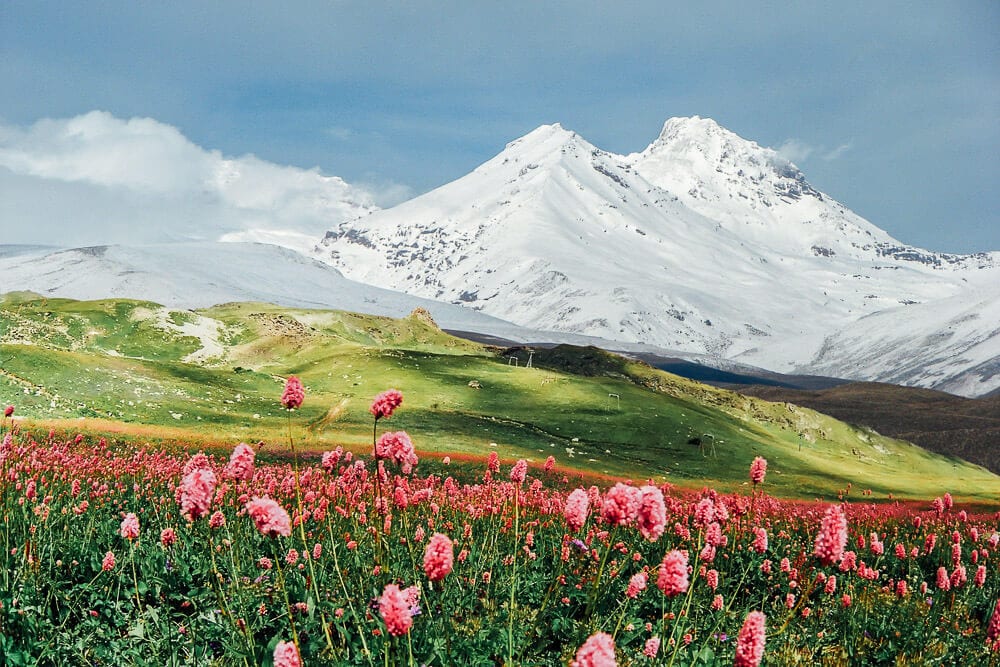
Georgia’s landscapes are as diverse as they are beautiful, and exploring them won’t cost you much. The country is home to the Caucasus Mountains, where you can hike, ski, or simply enjoy the fresh air and stunning views. The Kazbegi region, with its snow-capped mountains and traditional Svan towers, is a must-visit. The cost of a day trip from Tbilisi is around $30, including transportation and a guide.
The Black Sea coast offers a different kind of beauty, with beaches, resorts, and the charming town of Batumi. Here, you can relax on the sand, explore the botanical gardens, or take a boat trip to nearby islands. Accommodations along the coast are more expensive than inland, but still very reasonable compared to other seaside destinations.
Cultural Experiences on a Budget
Georgia is rich in history and culture, and there are plenty of opportunities to immerse yourself in both without spending a lot. Museums and historical sites like the ancient city of Mtskheta, a UNESCO World Heritage site, offer discounted entry fees for students and often have free days. Attending a traditional Georgian feast, or supra, is a must-do experience. While not free, the cost is split among the guests, making it an affordable way to enjoy a night of food, wine, and toasts.
Beyond Georgia: Exploring the Caucasus
While Georgia is a treasure trove for budget travelers, the rest of the Caucasus region also offers unique experiences. Armenia, with its somber history, vibrant culture, and the stunning Geghard Monastery, is accessible by a short and affordable flight or bus ride from Georgia. Azerbaijan, with its futuristic capital Baku, the fiery landscapes of the Gobustan National Park, and the ancient city of Shaki, is another fascinating destination. While slightly more expensive than Georgia, both Armenia and Azerbaijan offer excellent value for those looking to explore further.
Conclusion
The Caucasus region, with Georgia at its heart, is a paradise for budget travelers. Its blend of natural beauty, cultural richness, and affordability makes it an ideal destination for those looking to explore beyond the usual tourist paths. Whether you’re hiking in the mountains, feasting on Georgian cuisine, or exploring ancient ruins, the Caucasus offers an unforgettable experience that won’t break the bank. So pack your bags, and get ready to discover the wonders of this enchanting region.