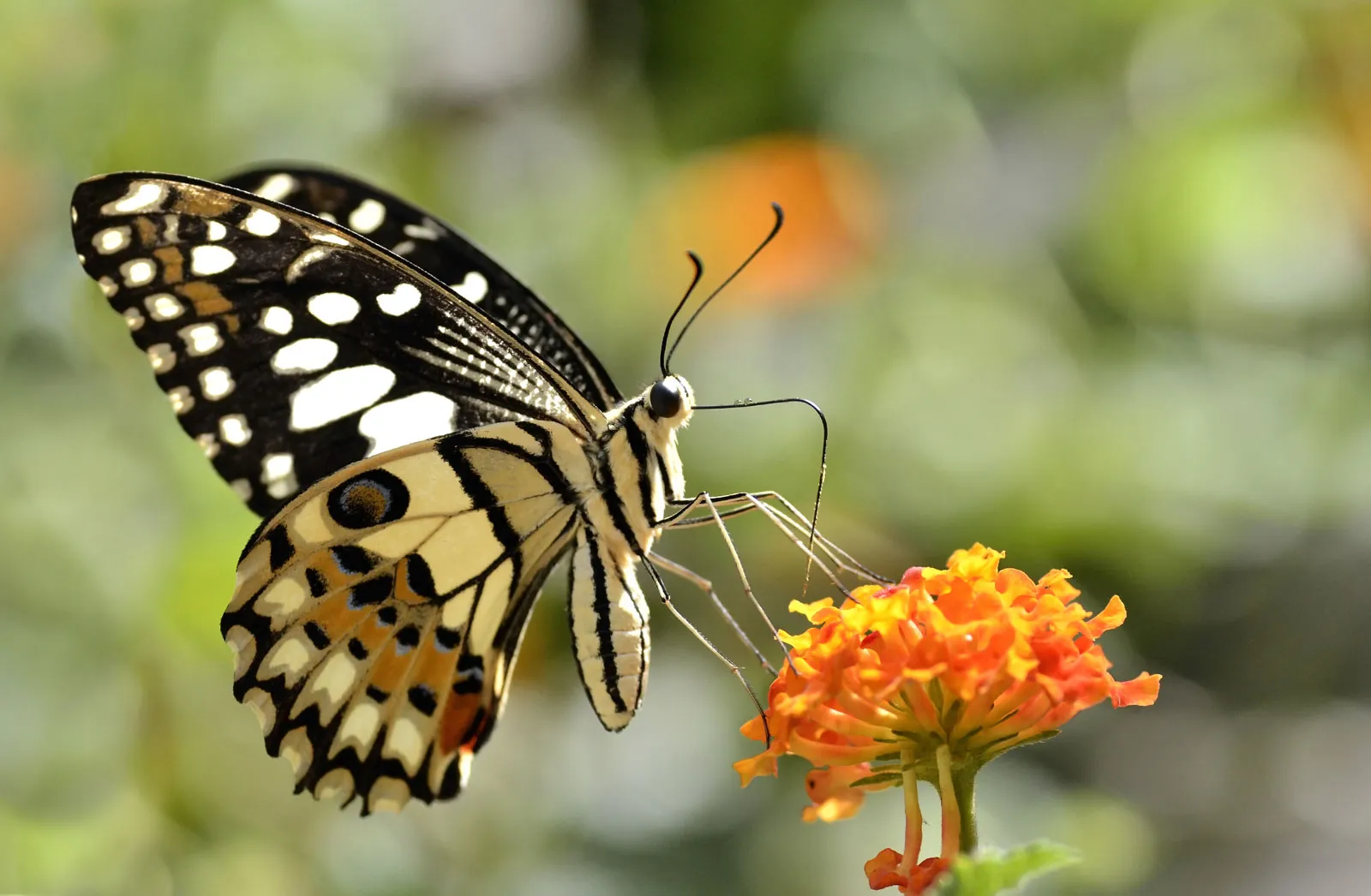
postphx.com – Butterflies, with their vibrant colors and graceful flight, are among the most beloved insects. But they are far more than just beautiful creatures; they play important roles in ecosystems and undergo a fascinating transformation called metamorphosis. This article explores the captivating world of butterflies, from their life cycle to their ecological significance and the challenges they face.
Life Cycle: A Metamorphosis Marvel
Butterflies undergo complete metamorphosis, meaning they have four distinct life stages:
- Egg: The butterfly life cycle begins with a tiny egg, often laid on a specific host plant.
- Larva (Caterpillar): The egg hatches into a larva, commonly known as a caterpillar. This is the growth stage, where the caterpillar consumes vast amounts of foliage to fuel its development. Caterpillars molt their skin several times as they grow.
- Pupa (Chrysalis): Once the caterpillar reaches its full size, it forms a pupa, also known as a chrysalis. Inside the chrysalis, the caterpillar undergoes a remarkable transformation, reorganizing its body into that of a butterfly.
- Adult (Butterfly): Finally, the chrysalis opens, and a beautiful butterfly emerges. The butterfly’s wings are initially crumpled but quickly expand and dry.
Anatomy and Physiology: Designed for Flight and Feeding
Butterflies have several unique anatomical features that enable them to thrive:
- Wings: Butterfly wings are covered in tiny scales, which give them their vibrant colors and patterns. These scales also help with insulation and flight.
- Proboscis: Butterflies have a long, straw-like tongue called a proboscis, which they use to sip nectar from flowers. When not in use, the proboscis is coiled up.
- Antennae: Butterflies use their antennae to sense their environment, including smells, air currents, and vibrations.
- Eyes: Butterflies have compound eyes, which provide them with a wide field of vision and the ability to detect movement.
Diversity of Butterflies: A Kaleidoscope of Colors and Forms
The world is home to an estimated 20,000 species of butterflies, exhibiting an incredible diversity of colors, patterns, and sizes.
- Swallowtails (Papilionidae): Known for their distinctive tails on their hindwings.
- Whites and Sulphurs (Pieridae): Often white, yellow, or orange in color.
- Blues, Coppers, and Hairstreaks (Lycaenidae): Small butterflies with often vibrant metallic colors.
- Brush-footed Butterflies (Nymphalidae): A large and diverse family, including monarchs, admirals, and fritillaries.
Ecological Roles: Pollinators and Food Source
Butterflies play important roles in ecosystems:
- Pollination: Like bees, butterflies are important pollinators, transferring pollen between flowers as they feed on nectar.
- Food Source: Butterflies and their caterpillars serve as a food source for various animals, including birds, spiders, and other insects.
Butterfly Behavior: Migration and Mimicry
Butterflies exhibit a range of fascinating behaviors:
- Migration: Some butterfly species, such as the monarch, undertake long-distance migrations, traveling thousands of miles to overwintering grounds.
- Mimicry: Some butterflies mimic the appearance of other species, either to avoid predation (Batesian mimicry) or to reinforce a warning signal (Müllerian mimicry).
- Basking: Butterflies often bask in the sun to warm their bodies and become active.
Threats to Butterfly Populations: Habitat Loss and Climate Change
Butterfly populations face several threats:
- Habitat Loss: The destruction of natural habitats due to urbanization, agriculture, and deforestation is a major threat.
- Pesticide Use: Pesticides can directly kill butterflies or harm their food sources.
- Climate Change: Changes in temperature and precipitation patterns can disrupt butterfly life cycles and migrations.
Conservation Efforts: Protecting These Delicate Creatures
Protecting butterfly populations requires a multi-faceted approach:
- Habitat Conservation: Protecting and restoring natural habitats is crucial.
- Creating Butterfly Gardens: Planting native wildflowers and providing host plants can attract butterflies to gardens and urban areas.
- Reducing Pesticide Use: Using integrated pest management strategies and avoiding harmful pesticides can protect butterflies.
- Citizen Science: Participating in butterfly monitoring programs can help track populations and identify threats.
Conclusion: Appreciating the Beauty and Importance of Butterflies
Butterflies are not only beautiful to behold but also play vital roles in our ecosystems. By understanding their life cycle, behavior, and the threats they face, we can take action to protect these fascinating creatures for generations to come. Their delicate beauty and intricate life histories make them a true wonder of the natural world.