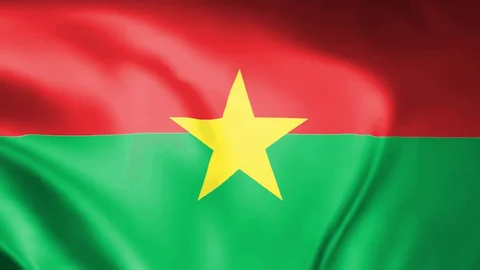
Burkina Faso’s Relations with Neighboring Countries

postphx.com – Burkina Faso, a landlocked country in West Africa, maintains a complex web of diplomatic and cooperative relations with its neighboring countries. These relationships are crucial for regional stability, economic development, and addressing common challenges such as security threats and climate change.

Diplomatic Relations

  1. Mali and Niger: Burkina Faso shares significant security concerns with Mali and Niger, particularly regarding the fight against Islamist militants and armed groups. The countries have established joint military operations and intelligence sharing mechanisms to address these threats.
  2. Ghana and Ivory Coast: Relations with Ghana and Ivory Coast are primarily focused on economic cooperation and trade. These countries are key partners in Burkina Faso’s efforts to diversify its economy and improve regional infrastructure, particularly through projects like the Trans-West African Coastal Highway.
  3. Benin and Togo: Burkina Faso collaborates with Benin and Togo on various regional initiatives, including the Economic Community of West African States (ECOWAS), which promotes economic integration and political stability in the region.

Cooperation Initiatives

  1. Security Cooperation: One of the most critical areas of cooperation is security. Burkina Faso participates in regional security initiatives such as the G5 Sahel, which aims to combat terrorism and organized crime in the Sahel region.
  2. Economic Integration: Economic cooperation is another significant aspect of Burkina Faso’s relations with its neighbors. The country is an active member of ECOWAS and the West African Economic and Monetary Union (WAEMU), both of which aim to promote trade, investment, and economic integration.
  3. Infrastructure Development: Burkina Faso collaborates with neighboring countries on infrastructure projects, such as the construction of roads, railways, and energy facilities. These projects are essential for improving regional connectivity and facilitating trade.
  4. Cultural and Social Exchanges: Cultural and social exchanges play a vital role in strengthening ties between Burkina Faso and its neighbors. These exchanges promote mutual understanding and cooperation, contributing to regional peace and stability.

Challenges and Opportunities

  1. Security Challenges: The most significant challenge facing Burkina Faso and its neighbors is the ongoing security crisis. The proliferation of armed groups and terrorist activities requires a coordinated regional response.
  2. Economic Development: While economic cooperation is growing, there is still a need for increased investment and trade to foster economic development and reduce poverty in the region.
  3. Political Instability: Political instability in some neighboring countries can spill over into Burkina Faso, affecting regional security and cooperation.
  4. Climate Change: Climate change poses a significant threat to the region, affecting agriculture, water resources, and food security. Collaborative efforts are essential to address these challenges.

Conclusion

Burkina Faso’s relations with its neighboring countries are characterized by a mix of diplomatic engagements and cooperative initiatives aimed at addressing common challenges and promoting regional stability and development. While there are significant obstacles to overcome, such as security threats and economic disparities, the foundation for stronger regional cooperation is in place. Continued collaboration and mutual support are essential for achieving sustainable peace, security, and prosperity in the region.

The Unstable Underbelly: The World’s Most Dangerous Countries

postphx.com – In a world that is increasingly interconnected, the concept of safety and security has become a paramount concern for travelers, expatriates, and even those living in their home countries. While many nations strive to maintain peace and stability, others are plagued by violence, crime, and political unrest. This article delves into the unstable underbelly of the globe, examining the countries that are often considered the most dangerous in the world. It is important to note that the situation in these countries can change rapidly, and the assessment of danger is subjective and can vary based on the source.

The Criteria for Danger:
The determination of a country’s danger level is typically based on several factors, including but not limited to:

  1. Crime Rates: Countries with high levels of violent crime, such as murder, kidnapping, and armed robbery, are often deemed dangerous.
  2. Political Instability: Nations experiencing civil unrest, coups, or ongoing conflicts are considered unstable and potentially dangerous.
  3. Terrorism: The presence of terrorist activities or organizations within a country can significantly impact its safety rating.
  4. Health Risks: The prevalence of diseases, inadequate healthcare facilities, and high rates of infectious diseases can pose significant health risks to visitors and residents alike.
  5. Natural Disasters: Countries prone to natural disasters such as earthquakes, hurricanes, or floods may also be considered dangerous due to the unpredictable nature of these events.

The World’s Most Dangerous Countries:
While the list of dangerous countries can vary depending on the source, several nations consistently appear due to their challenging conditions:

  1. Afghanistan: Riddled with conflict, Afghanistan is one of the most dangerous countries due to ongoing war, terrorism, and a high level of violence.
  2. Syria: The Syrian Civil War has devastated the country, leading to widespread destruction, displacement, and a humanitarian crisis.
  3. Somalia: Known for piracy, terrorism, and clan-based conflicts, Somalia has struggled with stability for decades.
  4. Iraq: Despite progress in some areas, Iraq continues to face sectarian violence, terrorism, and political instability.
  5. Yemen: The Yemeni Civil War, along with a blockade and economic collapse, has created a dire humanitarian situation.
  6. South Sudan: Since gaining independence, South Sudan has been embroiled in a civil war, leading to famine and massive displacement.
  7. Venezuela: Economic collapse, political turmoil, and high crime rates have made Venezuela a dangerous place for both locals and foreigners.
  8. North Korea: The reclusive regime, human rights abuses, and nuclear ambitions make North Korea a country to be wary of.
  9. Libya: Following the fall of Gaddafi, Libya has been fractured by militias and ongoing conflict.
  10. Central African Republic: Religious and ethnic violence has torn the Central African Republic apart, leading to a high level of insecurity.

Conclusion:
The countries listed above face a myriad of challenges that make them dangerous for various reasons. It is crucial to approach the topic with sensitivity, as the conditions in these nations often result from complex historical, political, and social factors. For those considering travel or relocation to such areas, thorough research and consideration of travel advisories are essential. Moreover, the international community plays a role in supporting these nations through diplomacy, aid, and cooperation to help alleviate the conditions that contribute to their instability and danger. As the global landscape evolves, it is hoped that peace and stability can be restored, allowing these countries to rebuild and offer their citizens and visitors a safer environment.