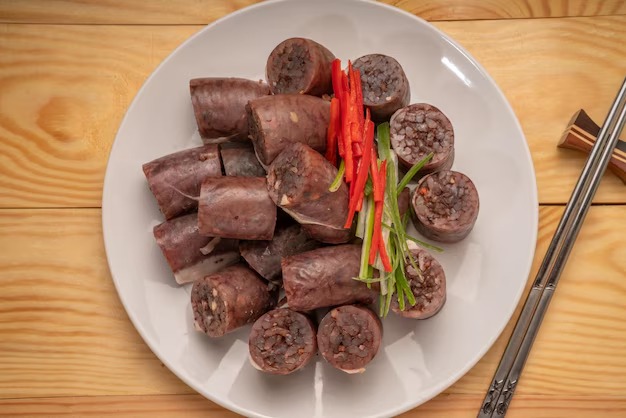
Sundae: Exploring the Rich Flavors of Korean Blood Sausage

postphx.com – Sundae, a traditional Korean blood sausage, is a unique and flavorful delicacy that has been enjoyed for centuries. Known for its distinctive taste and texture, sundae is a beloved street food in Korea, often found in bustling markets and food stalls. This dish offers a fascinating glimpse into Korean culinary traditions, combining simple ingredients to create a rich and satisfying experience.

The Making of Sundae

Sundae is made by stuffing pig or cow intestines with a mixture of ingredients, most commonly including sweet potato noodles (dangmyeon), glutinous rice, and a variety of seasonings. One of the key ingredients is pig’s blood, which gives sundae its characteristic dark color and rich flavor. The sausage is then steamed or boiled until fully cooked, resulting in a savory and hearty dish.

The exact recipe for sundae can vary by region and personal preference. Some variations include additional ingredients like barley, perilla leaves, or vegetables to enhance the flavor and texture. In some cases, the blood is omitted entirely, resulting in a milder version of the dish.

A Street Food Favorite

Sundae is a popular street food in Korea, often enjoyed as a quick snack or meal on the go. It is typically served with a side of salt or a dipping sauce made from fermented shrimp paste, which complements the rich flavors of the sausage. Accompaniments like tteokbokki (spicy rice cakes) or kimchi are also common, adding a spicy and tangy contrast to the savory sundae.

The dish is often sliced into bite-sized pieces, making it easy to share and enjoy with friends. Its chewy texture and bold flavors make it a satisfying option for those looking to explore traditional Korean foods.

Cultural Significance

Sundae holds a special place in Korean culinary culture, reflecting the resourcefulness and creativity of Korean cuisine. Historically, it was a way to make use of every part of the animal, turning what might otherwise be considered scraps into a delicious and nourishing dish. This practice of minimizing waste and maximizing flavor is a hallmark of Korean cooking.

Sundae is also associated with various cultural rituals and celebrations, often served at special occasions and gatherings. Its presence in both everyday meals and festive events highlights its versatility and enduring popularity.

Conclusion

Sundae is more than just a sausage; it’s a testament to the ingenuity and tradition of Korean cuisine. Its rich flavors and unique texture offer a memorable culinary experience for those willing to venture beyond the familiar. Whether enjoyed from a street vendor in Seoul or prepared at home, sundae invites food enthusiasts to explore the diverse and delicious world of Korean food.
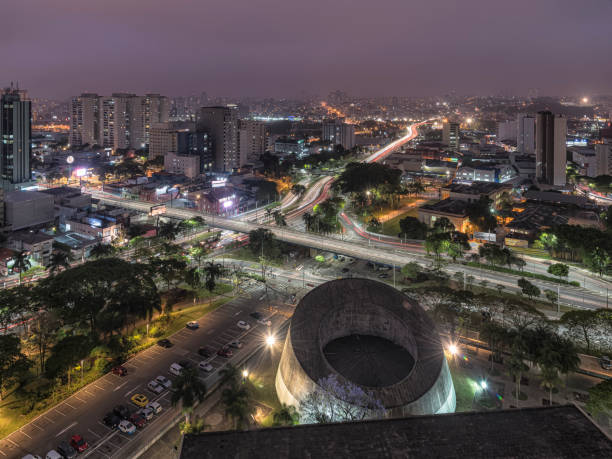
Exploring Santo André: A Vibrant City in São Paulo

postphx.com – Santo André is a bustling city located in the state of São Paulo, Brazil. Known for its rich history, cultural diversity, and economic significance, Santo André is an integral part of the São Paulo metropolitan area. This article explores the city’s history, culture, economy, and attractions, offering a glimpse into what makes Santo André a unique and vibrant place to visit or reside.

Historical Background

Santo André has a rich historical background dating back to the 16th century. Originally founded as a small settlement, the city has grown significantly over the years. It played a crucial role during the industrialization period in Brazil, becoming a hub for manufacturing and trade. The city’s history is reflected in its architecture and cultural heritage, with several historical sites and museums that offer insights into its past.

Cultural Diversity

The city is known for its cultural diversity, with a population that includes descendants of Italian, Portuguese, Japanese, and other immigrant groups. This diversity is celebrated through various cultural festivals and events held throughout the year. Santo André’s cultural scene is vibrant, with numerous theaters, galleries, and music venues showcasing a wide range of artistic expressions.

Economic Significance

Santo André is an important economic center in the São Paulo metropolitan area. The city’s economy is diverse, with key industries including manufacturing, commerce, and services. It is home to several industrial parks and business districts that contribute significantly to the region’s economic growth. The presence of various educational institutions and research centers also highlights the city’s commitment to innovation and development.

Attractions and Recreation

Santo André offers a variety of attractions for both residents and visitors. The city boasts several parks and green spaces, providing opportunities for outdoor recreation and relaxation. The Parque Central, for example, is a popular spot for families and nature enthusiasts. Additionally, the city has a rich culinary scene, with restaurants offering a range of local and international cuisines.

Conclusion

Santo André is a dynamic city that combines a rich historical heritage with modern urban development. Its cultural diversity, economic vitality, and array of attractions make it a noteworthy destination in the state of São Paulo. Whether you’re interested in exploring its history, enjoying its cultural offerings, or engaging in business, Santo André offers something for everyone.

Exploring Georgia and Beyond: The Caucasus on a Budget

postphx.com – The Caucasus region, nestled between Eastern Europe and Western Asia, is a tapestry of diverse cultures, breathtaking landscapes, and rich histories. Among the countries that make up this region, Georgia stands out as a beacon for budget travelers seeking an authentic adventure. With its affordable prices, stunning scenery, and warm hospitality, Georgia offers an unparalleled experience for those looking to explore beyond the beaten path.

Affordable Accommodations

One of the first considerations for any budget traveler is finding affordable accommodations. Georgia excels in this area, offering a wide range of options from hostels to guesthouses and even luxury hotels at a fraction of the cost you’d find in more popular tourist destinations. Tbilisi, the capital city, is a melting pot of cultures and architecture, and it’s here you’ll find some of the best deals. Hostels in Tbilisi start at just a few dollars a night, providing a comfortable stay with amenities like free Wi-Fi and breakfast included. For those seeking more privacy, guesthouses and Airbnb rentals offer excellent value, often including home-cooked meals that give you a taste of Georgian cuisine.

Delicious and Affordable Cuisine

Speaking of cuisine, Georgia’s food is not only delicious but also very affordable. The country is famous for its hearty stews, fresh bread, and khachapuri, a cheese-filled bread that’s a must-try. Street food is also a budget-friendly option, with kiosks selling mouth-watering mtsvadi (grilled meat kebabs) and khinkali (dumplings filled with meat or cheese). A meal at a local restaurant can cost as little as $3-$5, making it easy to indulge in the local flavors without breaking the bank.

Exploring Georgia’s Natural Beauty

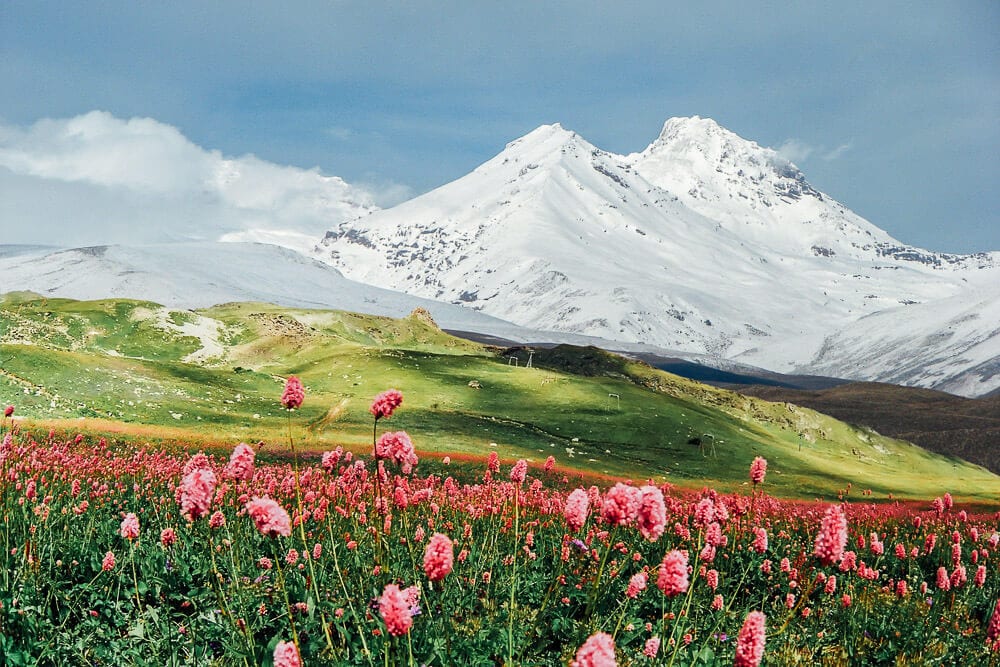
Georgia’s landscapes are as diverse as they are beautiful, and exploring them won’t cost you much. The country is home to the Caucasus Mountains, where you can hike, ski, or simply enjoy the fresh air and stunning views. The Kazbegi region, with its snow-capped mountains and traditional Svan towers, is a must-visit. The cost of a day trip from Tbilisi is around $30, including transportation and a guide.

The Black Sea coast offers a different kind of beauty, with beaches, resorts, and the charming town of Batumi. Here, you can relax on the sand, explore the botanical gardens, or take a boat trip to nearby islands. Accommodations along the coast are more expensive than inland, but still very reasonable compared to other seaside destinations.

Cultural Experiences on a Budget

Georgia is rich in history and culture, and there are plenty of opportunities to immerse yourself in both without spending a lot. Museums and historical sites like the ancient city of Mtskheta, a UNESCO World Heritage site, offer discounted entry fees for students and often have free days. Attending a traditional Georgian feast, or supra, is a must-do experience. While not free, the cost is split among the guests, making it an affordable way to enjoy a night of food, wine, and toasts.

Beyond Georgia: Exploring the Caucasus

While Georgia is a treasure trove for budget travelers, the rest of the Caucasus region also offers unique experiences. Armenia, with its somber history, vibrant culture, and the stunning Geghard Monastery, is accessible by a short and affordable flight or bus ride from Georgia. Azerbaijan, with its futuristic capital Baku, the fiery landscapes of the Gobustan National Park, and the ancient city of Shaki, is another fascinating destination. While slightly more expensive than Georgia, both Armenia and Azerbaijan offer excellent value for those looking to explore further.

Conclusion

The Caucasus region, with Georgia at its heart, is a paradise for budget travelers. Its blend of natural beauty, cultural richness, and affordability makes it an ideal destination for those looking to explore beyond the usual tourist paths. Whether you’re hiking in the mountains, feasting on Georgian cuisine, or exploring ancient ruins, the Caucasus offers an unforgettable experience that won’t break the bank. So pack your bags, and get ready to discover the wonders of this enchanting region.

The Unstable Underbelly: The World’s Most Dangerous Countries

postphx.com – In a world that is increasingly interconnected, the concept of safety and security has become a paramount concern for travelers, expatriates, and even those living in their home countries. While many nations strive to maintain peace and stability, others are plagued by violence, crime, and political unrest. This article delves into the unstable underbelly of the globe, examining the countries that are often considered the most dangerous in the world. It is important to note that the situation in these countries can change rapidly, and the assessment of danger is subjective and can vary based on the source.

The Criteria for Danger:
The determination of a country’s danger level is typically based on several factors, including but not limited to:

  1. Crime Rates: Countries with high levels of violent crime, such as murder, kidnapping, and armed robbery, are often deemed dangerous.
  2. Political Instability: Nations experiencing civil unrest, coups, or ongoing conflicts are considered unstable and potentially dangerous.
  3. Terrorism: The presence of terrorist activities or organizations within a country can significantly impact its safety rating.
  4. Health Risks: The prevalence of diseases, inadequate healthcare facilities, and high rates of infectious diseases can pose significant health risks to visitors and residents alike.
  5. Natural Disasters: Countries prone to natural disasters such as earthquakes, hurricanes, or floods may also be considered dangerous due to the unpredictable nature of these events.

The World’s Most Dangerous Countries:
While the list of dangerous countries can vary depending on the source, several nations consistently appear due to their challenging conditions:

  1. Afghanistan: Riddled with conflict, Afghanistan is one of the most dangerous countries due to ongoing war, terrorism, and a high level of violence.
  2. Syria: The Syrian Civil War has devastated the country, leading to widespread destruction, displacement, and a humanitarian crisis.
  3. Somalia: Known for piracy, terrorism, and clan-based conflicts, Somalia has struggled with stability for decades.
  4. Iraq: Despite progress in some areas, Iraq continues to face sectarian violence, terrorism, and political instability.
  5. Yemen: The Yemeni Civil War, along with a blockade and economic collapse, has created a dire humanitarian situation.
  6. South Sudan: Since gaining independence, South Sudan has been embroiled in a civil war, leading to famine and massive displacement.
  7. Venezuela: Economic collapse, political turmoil, and high crime rates have made Venezuela a dangerous place for both locals and foreigners.
  8. North Korea: The reclusive regime, human rights abuses, and nuclear ambitions make North Korea a country to be wary of.
  9. Libya: Following the fall of Gaddafi, Libya has been fractured by militias and ongoing conflict.
  10. Central African Republic: Religious and ethnic violence has torn the Central African Republic apart, leading to a high level of insecurity.

Conclusion:
The countries listed above face a myriad of challenges that make them dangerous for various reasons. It is crucial to approach the topic with sensitivity, as the conditions in these nations often result from complex historical, political, and social factors. For those considering travel or relocation to such areas, thorough research and consideration of travel advisories are essential. Moreover, the international community plays a role in supporting these nations through diplomacy, aid, and cooperation to help alleviate the conditions that contribute to their instability and danger. As the global landscape evolves, it is hoped that peace and stability can be restored, allowing these countries to rebuild and offer their citizens and visitors a safer environment.