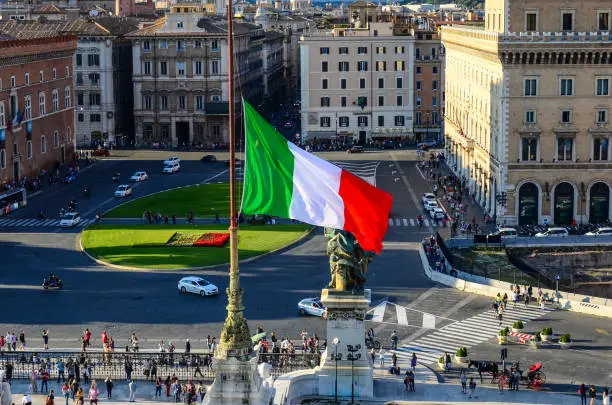
Italy: A Beacon of Culture and Economic Might

postphx.com – Nestled in the heart of the Mediterranean, Italy stands as a testament to the enduring allure of history, art, and gastronomy. Beyond its cultural richness, Italy is also a significant player on the global economic stage, boasting a robust economy that is the third-largest in the Eurozone. This article delves into the multifaceted nature of Italy, exploring its cultural heritage and its position as an economic powerhouse.

Cultural Heritage: A Legacy of Art and History

Italy’s cultural heritage is unparalleled, with a landscape dotted with ancient ruins, Renaissance art, and architectural marvels. From the Colosseum in Rome to the canals of Venice and the Leaning Tower of Pisa, Italy’s landmarks are icons of human achievement and creativity.

Art and Architecture

The country is home to some of the world’s most renowned artists, including Leonardo da Vinci, Michelangelo, and Raphael. Their masterpieces, such as the Mona Lisa, the Sistine Chapel ceiling, and the School of Athens, continue to draw millions of visitors each year. Italian architecture, with its emphasis on symmetry, proportion, and harmony, has influenced building design worldwide.

Fashion and Design

Italy’s influence extends to fashion and design, with Milan and Florence leading the way in haute couture and prêt-à-porter. Brands like Gucci, Prada, and Armani are synonymous with luxury and style, while the country’s design sector, from furniture to automobiles, is celebrated for its innovation and aesthetic appeal.

Economic Power: A Diverse and Dynamic Economy

Italy’s economy is characterized by a diverse range of industries, from manufacturing and tourism to fashion and agriculture. Despite challenges, such as regional disparities and political instability, the country has maintained a strong economic presence.

Manufacturing and Exports

The backbone of Italy’s economy is its manufacturing sector, particularly in the production of machinery, vehicles, pharmaceuticals, and food. Italy is one of the world’s largest exporters of wine and olive oil, and its automotive industry, led by companies like Ferrari and Lamborghini, is a symbol of Italian engineering excellence.

Tourism: A Vital Economic Driver

Tourism is another significant contributor to Italy’s economy, with the country attracting over 60 million international visitors annually. The appeal of Italy’s cultural sites, picturesque landscapes, and culinary traditions makes it one of the most visited countries in the world.

Innovation and Entrepreneurship

In recent years, Italy has focused on innovation and entrepreneurship to drive economic growth. The country has invested in research and development, particularly in the fields of renewable energy, biotechnology, and digital technology, to foster a new generation of startups and maintain its competitive edge.

Conclusion

Italy’s enduring legacy as a cultural beacon and its status as an economic powerhouse are intertwined. The country’s rich cultural heritage not only attracts tourists and investors but also inspires innovation and creativity in its industries. As Italy continues to navigate the complexities of the modern world, its blend of tradition and dynamism ensures that it will remain a significant force on the global stage.
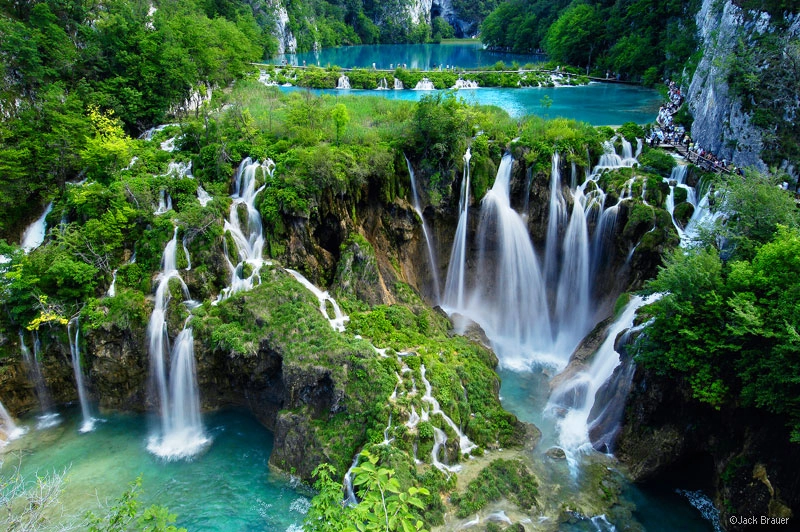
Natural Resources and Croatia’s Economic Growth

postphx.com – Croatia, a country situated on the eastern coast of the Adriatic Sea, has been experiencing significant economic growth in recent years. This growth is attributed to a combination of factors, including the country’s rich natural resources, strategic investments, and a burgeoning tourism industry. In this article, we will explore the key drivers of Croatia’s economic expansion and the role that its natural resources play in this development.

Croatia’s Economic Growth

Croatia’s economy has shown resilience and growth potential, particularly since joining the European Union in 2013. The country has been focusing on diversifying its economic base, reducing its reliance on tourism, and investing in infrastructure and technology. The government’s efforts to improve the business environment and attract foreign investment have also contributed to economic growth.

Tourism Industry

Tourism remains a cornerstone of Croatia’s economy, with millions of visitors drawn to its stunning coastline, historic cities, and cultural heritage each year. The sector has seen continuous growth, with the government investing in sustainable tourism practices to ensure long-term benefits.

Infrastructure Development

Investments in infrastructure, including transportation, energy, and digital networks, have been crucial in supporting economic growth. These developments have improved connectivity within the country and to international markets, facilitating trade and attracting investment.

Technological Advancements

Croatia has been making strides in technology and innovation, with a focus on sectors such as information technology, biotechnology, and renewable energy. The government’s support for research and development has helped to foster a growing tech industry.

Natural Resources

Croatia’s natural resources play a vital role in its economy, providing raw materials for various industries and contributing to the country’s energy security.

Agriculture

Agriculture is an important sector, with Croatia producing a variety of crops such as grains, fruits, and vegetables. The country’s fertile land and favorable climate make it suitable for a diverse range of agricultural activities.

Forestry

Forests cover a significant portion of Croatia’s land, providing timber and other forest products. Sustainable forestry practices are employed to ensure the long-term viability of this resource.

Energy Resources

Croatia has been investing in renewable energy sources, such as wind and solar power, to reduce its dependence on imported fossil fuels. The country also has modest reserves of oil and natural gas, which are exploited to support domestic energy needs.

Mineral Resources

Croatia is rich in mineral resources, including construction materials like limestone and marble. The mining industry contributes to the economy by supplying materials for both domestic use and export.

Conclusion

Croatia’s economic growth is a testament to its strategic investments in key sectors and the effective utilization of its natural resources. The country’s commitment to sustainable development, diversification, and innovation is paving the way for continued prosperity. As Croatia looks to the future, it will be important to balance economic expansion with environmental protection to ensure that its natural resources are preserved for generations to come.

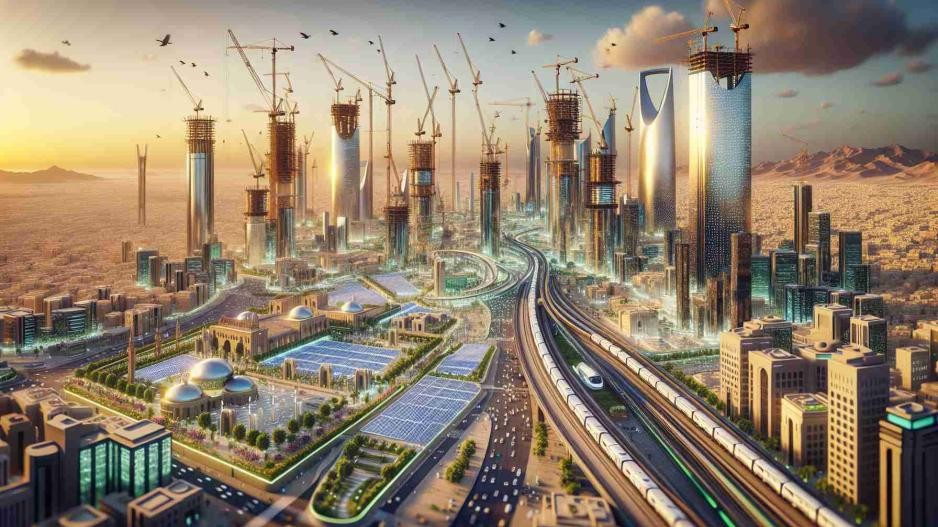
Progress and Challenges: Saudi Arabia’s Economic Transformation

postphx.com – Saudi Arabia’s economic transformation, driven by the ambitious Vision 2030, represents a significant shift from its traditional oil-dependent economy to a more diversified and sustainable growth model. This vision, launched in 2016, aims to reduce the kingdom’s reliance on oil, enhance its economic diversification, and improve its global competitiveness.

Progress

  1. Economic Diversification: The Saudi economy has shown signs of diversification, with non-oil sectors contributing significantly to growth. The non-oil sector’s growth has accelerated since 2021, averaging 4.8% in 2022 and expected to remain close to 5% in 2023, driven by strong domestic demand.
  2. Regulatory and Business Environment Improvements: The Saudi government has introduced new laws to promote entrepreneurship, protect investors’ rights, and reduce the costs of doing business. These reforms have led to a significant increase in new investment deals and licenses, which grew by 95% and 267% respectively in 2022.
  3. Public Investment Fund (PIF): The PIF has been instrumental in stimulating private sector investment and has invested in various sectors, including green hydrogen, catalyst manufacturing, and tech-innovation facilities. It has also supported large-scale projects like the Red Sea global tourism, Qiddiya entertainment city, and the Diriyah Gate heritage development.
  4. Global and Regional Partnerships: Saudi Arabia has expanded its global and regional partnerships, particularly in the areas of technology, manufacturing, and trade, to enhance its economic diversification and sustainabilityo

Challenges

  1. Oil Price Volatility: The Saudi economy remains vulnerable to fluctuations in oil prices, which can impact its fiscal stability and economic growth.
  2. Project Returns and Productivity: Ensuring that large-scale projects generate returns and boost productivity is crucial for sustained economic growth and further diversification. This requires effective project management and a conducive business environment.
  3. Innovation and Workforce Skills: There is a need to foster a more conducive environment for innovation and invest in workforce skills that complement the diversification agenda. This includes streamlining fees and taxes faced by businesses to further boost private sector development.
  4. External and Internal Challenges: The kingdom faces external challenges such as geopolitical tensions and internal challenges like the need for continued reforms to sustain the momentum of Vision 2030.

Conclusion

Saudi Arabia’s economic transformation under Vision 2030 is a multifaceted journey that has seen significant progress but also faces substantial challenges. The kingdom’s commitment to diversification and sustainability is evident in its reforms and investments. However, managing oil price volatility, ensuring project returns, fostering innovation, and addressing external and internal challenges will be key to achieving the long-term goals of Vision 2030. The success of this vision will not only transform the Saudi economy but also have a profound impact on the global economic landscape.