
The Education System in Montenegro: Challenges and Progress

postphx.com – The education system in Montenegro has undergone significant transformations in recent years, aiming to align with European standards and meet the challenges of the 21st century. This article provides an analysis of Montenegro’s educational system, highlighting the progress made and the challenges that remain in providing quality education.

Overview of the Education System

Montenegro’s education system is structured into pre-primary, primary, secondary, and tertiary levels. The Ministry of Education, Science, Culture, and Sports oversees the education system, with a focus on improving quality, accessibility, and relevance.

Challenges

  1. Quality and Relevance of Education: One of the main challenges facing Montenegro’s education system is ensuring that the curriculum is up-to-date and relevant to the needs of the modern workforce. There is a need for greater emphasis on critical thinking, digital literacy, and vocational training to prepare students for the future job market .
  2. Infrastructure and Resources: Many schools in Montenegro, particularly in rural areas, lack adequate infrastructure and resources. This includes outdated facilities, insufficient teaching materials, and limited access to technology, which hampers the quality of education .
  3. Teacher Training and Development: The quality of teaching is crucial for student success. However, there are challenges related to the training and professional development of teachers. There is a need for more comprehensive teacher education programs and continuous professional development opportunities to ensure that teachers are equipped with the latest pedagogical methods and skills .
  4. Equity and Access: Ensuring equitable access to quality education for all children, regardless of their socio-economic background, is a significant challenge. Disparities in educational opportunities between urban and rural areas, as well as among different socio-economic groups, persist .

Progress

  1. Curriculum Reform: Montenegro has made progress in reforming its education curriculum to make it more relevant and aligned with European standards. This includes the introduction of new subjects and the integration of digital tools and resources into teaching and learning .
  2. Investment in Infrastructure: The government has invested in upgrading school infrastructure, particularly in rural areas. This includes the construction of new schools, the renovation of existing facilities, and the provision of digital resources and equipment .
  3. Teacher Training Programs: Efforts have been made to improve teacher training and professional development. This includes the introduction of new teacher education programs, the establishment of professional development centers, and the provision of scholarships for teachers to pursue further education .
  4. Increased Access to Education: There has been a focus on increasing access to education for all children, including those from disadvantaged backgrounds. This includes the introduction of scholarships, the provision of free textbooks, and the implementation of inclusive education policies .

Conclusion

The education system in Montenegro faces several challenges, including ensuring the quality and relevance of education, improving infrastructure and resources, enhancing teacher training and development, and promoting equity and access. However, significant progress has been made in addressing these challenges. Continued efforts and investment are needed to build on this progress and ensure that Montenegro’s education system can meet the needs of its students in the 21st century.
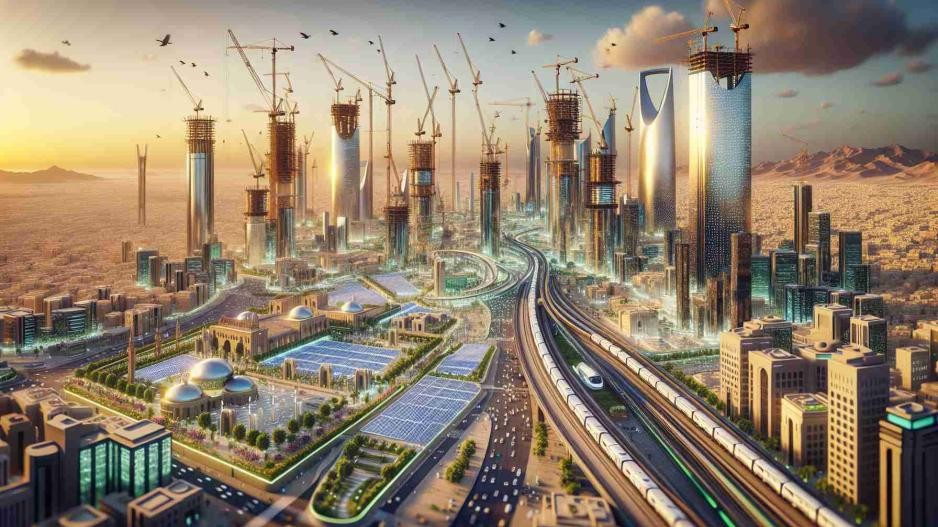

Progress and Challenges: Saudi Arabia’s Economic Transformation

postphx.com – Saudi Arabia’s economic transformation, driven by the ambitious Vision 2030, represents a significant shift from its traditional oil-dependent economy to a more diversified and sustainable growth model. This vision, launched in 2016, aims to reduce the kingdom’s reliance on oil, enhance its economic diversification, and improve its global competitiveness.

Progress

  1. Economic Diversification: The Saudi economy has shown signs of diversification, with non-oil sectors contributing significantly to growth. The non-oil sector’s growth has accelerated since 2021, averaging 4.8% in 2022 and expected to remain close to 5% in 2023, driven by strong domestic demand.
  2. Regulatory and Business Environment Improvements: The Saudi government has introduced new laws to promote entrepreneurship, protect investors’ rights, and reduce the costs of doing business. These reforms have led to a significant increase in new investment deals and licenses, which grew by 95% and 267% respectively in 2022.
  3. Public Investment Fund (PIF): The PIF has been instrumental in stimulating private sector investment and has invested in various sectors, including green hydrogen, catalyst manufacturing, and tech-innovation facilities. It has also supported large-scale projects like the Red Sea global tourism, Qiddiya entertainment city, and the Diriyah Gate heritage development.
  4. Global and Regional Partnerships: Saudi Arabia has expanded its global and regional partnerships, particularly in the areas of technology, manufacturing, and trade, to enhance its economic diversification and sustainabilityo

Challenges

  1. Oil Price Volatility: The Saudi economy remains vulnerable to fluctuations in oil prices, which can impact its fiscal stability and economic growth.
  2. Project Returns and Productivity: Ensuring that large-scale projects generate returns and boost productivity is crucial for sustained economic growth and further diversification. This requires effective project management and a conducive business environment.
  3. Innovation and Workforce Skills: There is a need to foster a more conducive environment for innovation and invest in workforce skills that complement the diversification agenda. This includes streamlining fees and taxes faced by businesses to further boost private sector development.
  4. External and Internal Challenges: The kingdom faces external challenges such as geopolitical tensions and internal challenges like the need for continued reforms to sustain the momentum of Vision 2030.

Conclusion

Saudi Arabia’s economic transformation under Vision 2030 is a multifaceted journey that has seen significant progress but also faces substantial challenges. The kingdom’s commitment to diversification and sustainability is evident in its reforms and investments. However, managing oil price volatility, ensuring project returns, fostering innovation, and addressing external and internal challenges will be key to achieving the long-term goals of Vision 2030. The success of this vision will not only transform the Saudi economy but also have a profound impact on the global economic landscape.

Benefits and Challenges: Wildlife Tourism

postphx.com – Wildlife tourism, a form of ecotourism that focuses on the observation and conservation of wildlife, has gained significant popularity in recent years. It offers travelers the opportunity to experience the natural world up close, while also providing economic benefits to local communities and conservation efforts. However, this growing industry also faces a number of challenges that must be addressed to ensure its sustainability.

Economic Benefits of Wildlife Tourism

One of the primary benefits of wildlife tourism is the economic boost it provides to local economies. Tourism dollars can create jobs, improve infrastructure, and generate revenue for conservation projects. For example, national parks and wildlife reserves often rely on entrance fees and tourism-related taxes to fund their operations and conservation initiatives.

Conservation Impact

Wildlife tourism can also have a positive impact on conservation efforts. By creating a financial incentive for the protection of wildlife and their habitats, it can help to prevent habitat destruction and poaching. Additionally, the presence of tourists can act as a deterrent to illegal activities within protected areas.

Educational Value

Another benefit of wildlife tourism is the educational value it provides to visitors. By witnessing wildlife in their natural habitats, tourists gain a deeper appreciation for the importance of conservation and the delicate balance of ecosystems. This can lead to increased public support for conservation measures and a greater awareness of environmental issues.

Challenges in Wildlife Tourism

Despite its benefits, wildlife tourism is not without its challenges. One of the main concerns is the potential for negative impacts on wildlife. Overcrowding, disturbance, and the spread of diseases can all pose threats to animal populations. Additionally, the construction of tourist facilities and infrastructure can lead to habitat destruction and fragmentation.

Ethical Considerations

Ethical considerations are also a significant challenge in wildlife tourism. The treatment of animals, particularly in captive settings or where close encounters are promoted, can raise concerns about animal welfare. It is crucial that wildlife tourism operators adhere to strict ethical standards to ensure the well-being of animals.

Sustainable Practices

To address these challenges, sustainable practices must be implemented. This includes limiting the number of visitors to sensitive areas, providing educational materials and guides to ensure responsible behavior, and investing in research to better understand the impacts of tourism on wildlife.

Conclusion

Wildlife tourism has the potential to be a powerful tool for conservation and economic development. However, it is essential that the industry is managed responsibly to minimize negative impacts on wildlife and their habitats. By promoting sustainable practices and ethical tourism, we can ensure that wildlife tourism continues to benefit both people and the planet.