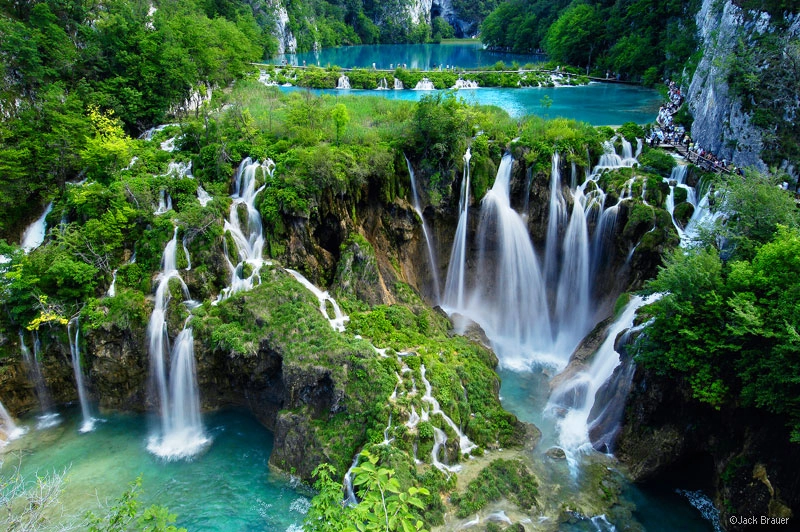
postphx.com – Croatia, a country situated on the eastern coast of the Adriatic Sea, has been experiencing significant economic growth in recent years. This growth is attributed to a combination of factors, including the country’s rich natural resources, strategic investments, and a burgeoning tourism industry. In this article, we will explore the key drivers of Croatia’s economic expansion and the role that its natural resources play in this development.
Croatia’s Economic Growth
Croatia’s economy has shown resilience and growth potential, particularly since joining the European Union in 2013. The country has been focusing on diversifying its economic base, reducing its reliance on tourism, and investing in infrastructure and technology. The government’s efforts to improve the business environment and attract foreign investment have also contributed to economic growth.
Tourism Industry
Tourism remains a cornerstone of Croatia’s economy, with millions of visitors drawn to its stunning coastline, historic cities, and cultural heritage each year. The sector has seen continuous growth, with the government investing in sustainable tourism practices to ensure long-term benefits.
Infrastructure Development
Investments in infrastructure, including transportation, energy, and digital networks, have been crucial in supporting economic growth. These developments have improved connectivity within the country and to international markets, facilitating trade and attracting investment.
Technological Advancements
Croatia has been making strides in technology and innovation, with a focus on sectors such as information technology, biotechnology, and renewable energy. The government’s support for research and development has helped to foster a growing tech industry.
Natural Resources
Croatia’s natural resources play a vital role in its economy, providing raw materials for various industries and contributing to the country’s energy security.
Agriculture
Agriculture is an important sector, with Croatia producing a variety of crops such as grains, fruits, and vegetables. The country’s fertile land and favorable climate make it suitable for a diverse range of agricultural activities.
Forestry
Forests cover a significant portion of Croatia’s land, providing timber and other forest products. Sustainable forestry practices are employed to ensure the long-term viability of this resource.
Energy Resources
Croatia has been investing in renewable energy sources, such as wind and solar power, to reduce its dependence on imported fossil fuels. The country also has modest reserves of oil and natural gas, which are exploited to support domestic energy needs.
Mineral Resources
Croatia is rich in mineral resources, including construction materials like limestone and marble. The mining industry contributes to the economy by supplying materials for both domestic use and export.
Conclusion
Croatia’s economic growth is a testament to its strategic investments in key sectors and the effective utilization of its natural resources. The country’s commitment to sustainable development, diversification, and innovation is paving the way for continued prosperity. As Croatia looks to the future, it will be important to balance economic expansion with environmental protection to ensure that its natural resources are preserved for generations to come.