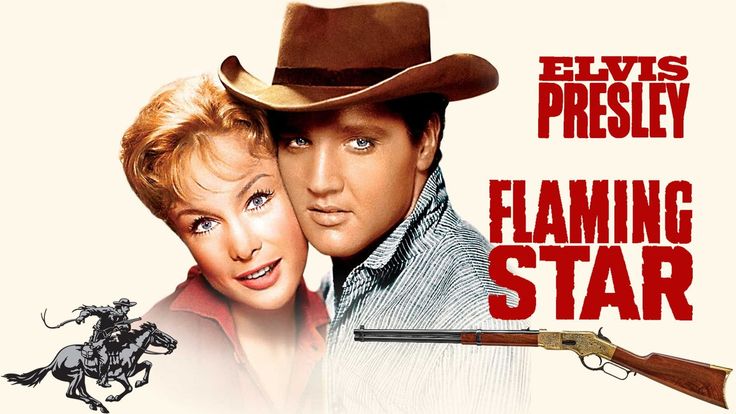
Flaming Star (1960): Elvis Presley’s Western Drama

postphx.com – “Flaming Star,” released in 1960, is an American Western film directed by Don Siegel. The film stars Elvis Presley in one of his most dramatic roles, showcasing his acting abilities beyond his musical persona. Based on the novel “Flaming Lance” by Clair Huffaker, the movie explores themes of identity, cultural conflict, and the challenges of living between two worlds.

Plot Overview

Set in the post-Civil War era, “Flaming Star” tells the story of Pacer Burton (Elvis Presley), a young man of mixed heritage—his father is white, and his mother is Kiowa. The Burtons live peacefully on the Texas frontier until tensions escalate between the local settlers and the Kiowa tribe. As conflict arises, Pacer finds himself torn between his loyalty to his family and his connection to his mother’s people. The film follows his struggle to navigate these conflicting identities while seeking peace and understanding in a world divided by prejudice and violence.

Themes and Style

“Flaming Star” delves into themes of racial identity, belonging, and the cultural divides that existed in the American West. The film presents a nuanced portrayal of the challenges faced by individuals caught between different worlds. Don Siegel’s direction emphasizes the stark realities of frontier life, using the Western landscape as a backdrop for the film’s dramatic tension. The movie departs from the typical musical format associated with Elvis Presley, instead focusing on narrative depth and character development.

Cast and Performances

Elvis Presley delivers a compelling performance as Pacer Burton, demonstrating his range as an actor. His portrayal captures the internal conflict and emotional turmoil of a man caught between two cultures. Supporting performances by Barbara Eden, Steve Forrest, and Dolores del Río add depth to the film, creating a rich tapestry of characters that enhance the story’s emotional impact.

Cultural Impact

“Flaming Star” marked a significant departure from Elvis Presley’s usual musical films, showcasing his potential as a dramatic actor. The film received critical acclaim for its serious tone and Presley’s performance, contributing to his legacy as a versatile entertainer. While not a commercial success compared to his musical films, “Flaming Star” remains an important part of Elvis’s filmography, demonstrating his ability to tackle complex roles.

Conclusion

“Flaming Star” stands out as a unique entry in the Western genre, offering a thoughtful exploration of identity and cultural conflict. With Elvis Presley at the helm, the film transcends its initial expectations, delivering a powerful narrative that resonates with audiences. Its themes of belonging and understanding continue to be relevant, making “Flaming Star” a noteworthy film in the history of American cinema.

Dark Victory: A Poignant 1976 Drama

postphx.com – “Dark Victory” is a poignant 1976 television drama that tells the heart-wrenching story of a woman facing her mortality. Starring Elizabeth Montgomery in a powerful role, the film is a remake of the classic 1939 movie that originally starred Bette Davis. Directed by Robert Butler, this adaptation explores themes of love, courage, and acceptance in the face of a terminal illness, capturing the emotional journey of a woman confronting the end of her life.

Plot Overview

The film follows the life of Katherine Merrill, a vibrant and successful woman whose world is turned upside down when she is diagnosed with a terminal brain tumor. As she grapples with her prognosis, Katherine embarks on a journey of self-discovery, reevaluating her relationships and priorities. The narrative delves into her struggles with fear and denial, ultimately leading to acceptance and a determination to live her remaining days to the fullest. Katherine’s relationships with those around her, including her doctor and close friends, become central to her story of resilience and grace.

Elizabeth Montgomery’s Performance

Elizabeth Montgomery delivers a deeply moving performance as Katherine Merrill, showcasing her ability to convey a wide range of emotions with authenticity and sensitivity. Known for her work in lighter roles, Montgomery demonstrates her dramatic prowess in this role, bringing depth and nuance to Katherine’s character. Her portrayal captures the emotional complexity of a woman facing an uncertain future, making the audience feel every moment of her journey.

Themes and Impact

“Dark Victory” explores profound themes of mortality, love, and personal growth. The film emphasizes the importance of cherishing life’s moments and the relationships that give life meaning. It challenges viewers to reflect on their own lives and consider how they might respond when faced with similar challenges. The film’s exploration of these universal themes resonates with audiences, offering both a touching story and a message of hope.

Conclusion

“Dark Victory” is a memorable drama that highlights Elizabeth Montgomery’s exceptional talent in a dramatic role. Through its heartfelt story and compelling performances, the film offers a moving portrayal of a woman’s journey towards acceptance and inner peace. It remains a testament to the enduring power of love and the human spirit, reminding us of the strength we can find within ourselves even in the darkest of times.

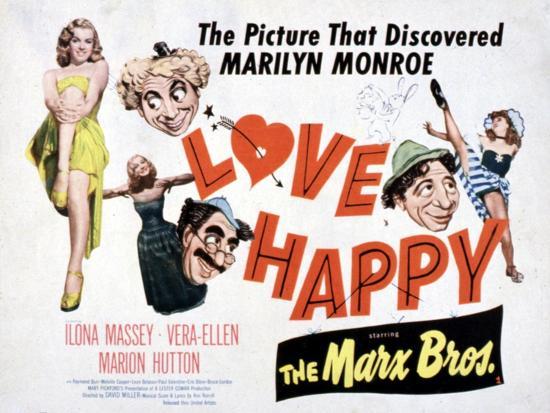
The Enduring Charm of “Love Happy” (1949)

postphx.com – Released in 1949, “Love Happy” holds a unique place in cinematic history as the final film starring the legendary Marx Brothers. Directed by David Miller, this comedy caper is renowned for its slapstick humor, musical numbers, and a notable cameo by a then-unknown Marilyn Monroe. The film is a testament to the enduring appeal of the Marx Brothers’ comedic style, blending chaos with cleverness.

Plot Overview

“Love Happy” follows the Marx Brothers as they embark on a zany adventure filled with mischief and hilarity. The plot centers around Harpo Marx’s character, who becomes entangled in a jewel heist while trying to help a struggling theater troupe. Alongside his brothers, Chico and Groucho, Harpo navigates a series of comedic escapades to outwit the villains and save the day.

Significance and Impact

While “Love Happy” may not have enjoyed the same level of critical acclaim as earlier Marx Brothers films, it remains an important piece of their filmography. The movie is particularly significant for its introduction of Marilyn Monroe in a brief but memorable role, foreshadowing her rise to stardom. Additionally, the film’s blend of comedy and music showcases the Marx Brothers’ versatility and ability to adapt their vaudeville roots to the silver screen.

Conclusion

“Love Happy” serves as a delightful swan song for the Marx Brothers, capturing the essence of their comedic genius. Despite being overshadowed by their previous works, the film continues to entertain audiences with its timeless humor and showcases the early talent of a future Hollywood icon.

The Chilling Mastery of The Silence of the Lambs

postphx.com – “The Silence of the Lambs,” directed by Jonathan Demme and based on Thomas Harris’s novel, is a psychological thriller that has captivated audiences since its release in 1991. Known for its chilling atmosphere and unforgettable characters, the film has earned a place in cinematic history as one of the greatest thrillers ever made. This article delves into the elements that contribute to its enduring impact and explores the themes that continue to intrigue viewers.

Plot and Cinematic Brilliance

At the heart of “The Silence of the Lambs” is the gripping story of FBI trainee Clarice Starling, played by Jodie Foster, as she seeks the help of the enigmatic and imprisoned Dr. Hannibal Lecter, portrayed by Anthony Hopkins, to catch a serial killer known as “Buffalo Bill.” The film’s tightly woven plot and suspenseful pacing keep viewers on edge, while its masterful direction and cinematography create an unsettling yet captivating atmosphere.

Iconic Characters and Performances

The film’s success is largely attributed to its compelling characters and the exceptional performances of its lead actors. Jodie Foster’s portrayal of Clarice Starling is both strong and vulnerable, embodying a determined woman navigating a male-dominated field. Anthony Hopkins delivers a mesmerizing performance as Hannibal Lecter, whose calm demeanor and chilling intelligence make him one of cinema’s most memorable antagonists. The chemistry between Foster and Hopkins adds depth to their interactions, elevating the film’s tension.

Exploration of Psychological Themes

“The Silence of the Lambs” delves into complex psychological themes, examining the nature of evil, the human psyche, and the interplay between predator and prey. The film explores the idea of manipulation and control, particularly through the interactions between Clarice and Lecter. It also highlights themes of identity and transformation, as seen in both Clarice’s personal journey and Buffalo Bill’s twisted motivations.

Cultural Impact and Legacy

The film’s impact on popular culture is undeniable, with its iconic lines and scenes becoming etched in the collective memory of audiences. “The Silence of the Lambs” achieved critical acclaim, winning five major Academy Awards, including Best Picture, Best Director, Best Actor, and Best Actress. Its influence extends beyond cinema, inspiring numerous adaptations and references in various media.

Conclusion

“The Silence of the Lambs” remains a masterpiece of psychological horror, combining a gripping narrative with powerful performances and thought-provoking themes. Its ability to evoke fear and fascination continues to captivate audiences, ensuring its place in the annals of film history. As viewers revisit this chilling classic, they are reminded of the enduring power of storytelling and the complex nature of the human mind.