
Dark Victory: A Poignant 1976 Drama

postphx.com – “Dark Victory” is a poignant 1976 television drama that tells the heart-wrenching story of a woman facing her mortality. Starring Elizabeth Montgomery in a powerful role, the film is a remake of the classic 1939 movie that originally starred Bette Davis. Directed by Robert Butler, this adaptation explores themes of love, courage, and acceptance in the face of a terminal illness, capturing the emotional journey of a woman confronting the end of her life.

Plot Overview

The film follows the life of Katherine Merrill, a vibrant and successful woman whose world is turned upside down when she is diagnosed with a terminal brain tumor. As she grapples with her prognosis, Katherine embarks on a journey of self-discovery, reevaluating her relationships and priorities. The narrative delves into her struggles with fear and denial, ultimately leading to acceptance and a determination to live her remaining days to the fullest. Katherine’s relationships with those around her, including her doctor and close friends, become central to her story of resilience and grace.

Elizabeth Montgomery’s Performance

Elizabeth Montgomery delivers a deeply moving performance as Katherine Merrill, showcasing her ability to convey a wide range of emotions with authenticity and sensitivity. Known for her work in lighter roles, Montgomery demonstrates her dramatic prowess in this role, bringing depth and nuance to Katherine’s character. Her portrayal captures the emotional complexity of a woman facing an uncertain future, making the audience feel every moment of her journey.

Themes and Impact

“Dark Victory” explores profound themes of mortality, love, and personal growth. The film emphasizes the importance of cherishing life’s moments and the relationships that give life meaning. It challenges viewers to reflect on their own lives and consider how they might respond when faced with similar challenges. The film’s exploration of these universal themes resonates with audiences, offering both a touching story and a message of hope.

Conclusion

“Dark Victory” is a memorable drama that highlights Elizabeth Montgomery’s exceptional talent in a dramatic role. Through its heartfelt story and compelling performances, the film offers a moving portrayal of a woman’s journey towards acceptance and inner peace. It remains a testament to the enduring power of love and the human spirit, reminding us of the strength we can find within ourselves even in the darkest of times.
The Blue Kite (1993): China’s Turbulent History

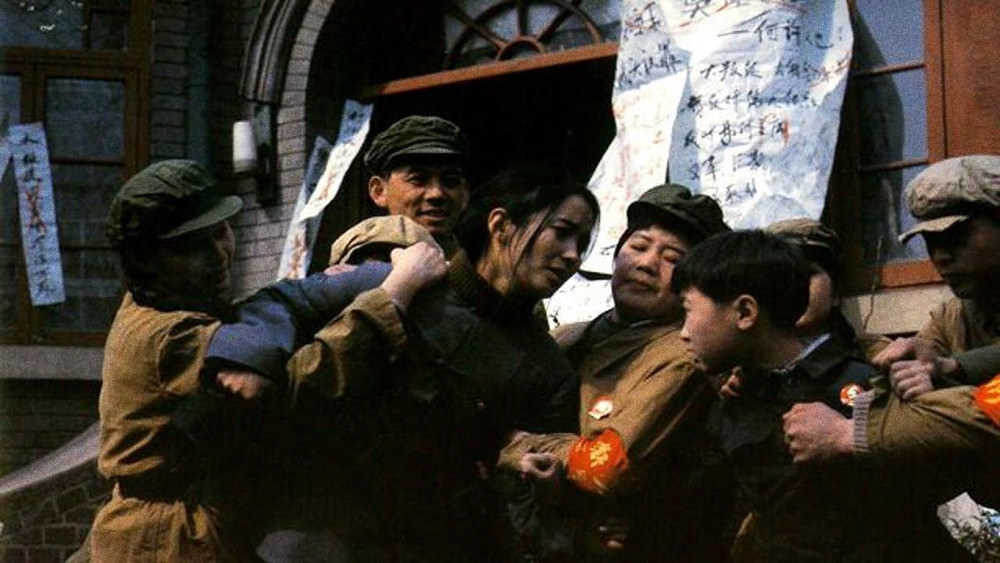
postphx.com – “The Blue Kite,” directed by Tian Zhuangzhuang, is a 1993 Chinese drama that offers a compelling and intimate portrayal of life during some of China’s most tumultuous periods. The film, known for its sensitive depiction of personal and political struggles, provides a window into the impact of historical events on ordinary families, capturing the essence of resilience amidst adversity.

Plot Overview and Historical Context

Set in Beijing from the 1950s to the 1970s, “The Blue Kite” follows the life of Tietou, a young boy, and his family as they navigate the political upheavals of the Anti-Rightist Campaign, the Great Leap Forward, and the Cultural Revolution. Through Tietou’s eyes, the film explores the effects of these events on his family, highlighting the personal costs of political ideologies and the struggle to maintain hope and love in an oppressive environment.

Character Development and Performances

The film’s narrative is deeply rooted in the experiences of Tietou’s family, particularly his mother, Chen Shujuan, portrayed with emotional depth by Lü Liping. The characters are crafted with care, each representing different facets of the social spectrum during this era. Tietou’s journey from childhood to adolescence reflects the loss of innocence and the harsh realities faced by many during these turbulent times. The performances are understated yet powerful, emphasizing the resilience and quiet dignity of individuals in the face of systemic challenges.

Themes and Cinematic Style

“The Blue Kite” addresses themes of survival, familial bonds, and the enduring human spirit in the face of political oppression. Tian Zhuangzhuang’s direction employs a subtle and realistic style, with attention to detail that brings authenticity to the film’s historical setting. The use of the blue kite as a motif symbolizes both the fragility and endurance of hope, serving as a poignant reminder of the human capacity for resilience.

Conclusion

“The Blue Kite” is a significant work that not only offers a glimpse into a critical period of Chinese history but also resonates universally with its themes of love, sacrifice, and perseverance. Despite facing censorship and controversy, the film stands as a testament to the power of cinema to illuminate personal stories within the broader context of historical change. It remains an important cultural artifact that continues to inspire reflection and discussion on the impact of political ideology on individual lives.