postphx.com – Television game shows have always been a staple of daytime programming, offering viewers a mix of entertainment, suspense, and the thrill of potential winnings. Among these, “Let’s Make a Deal” stands out as a classic that has managed to maintain its popularity over decades. This article delves into the history, format, and enduring appeal of this iconic game show.
A Brief History
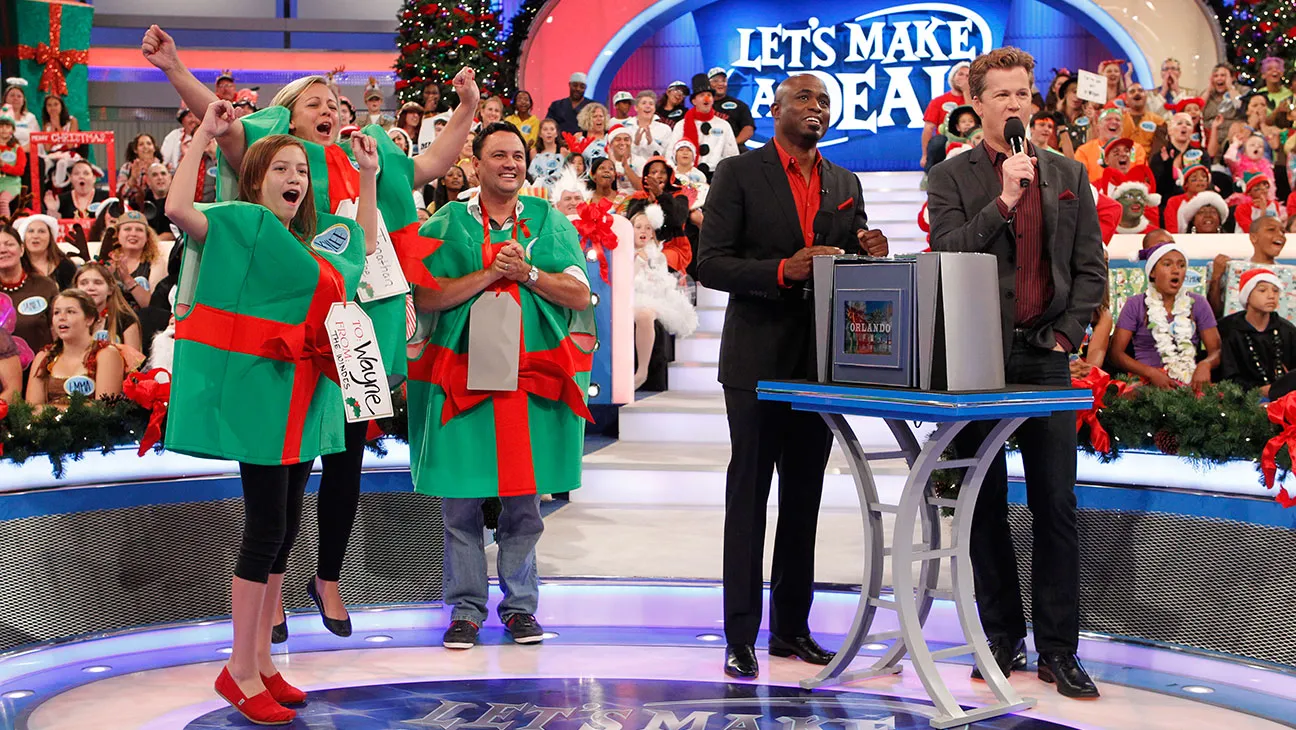
“Let’s Make a Deal” first aired in 1963, created by Monty Hall and Stefan Hatos. The show was an instant hit, thanks to its unique format and the charismatic hosting of Monty Hall. Over the years, it has seen various iterations and hosts, but the core concept has remained the same. The show has been revived multiple times, with the latest version airing since 2009, hosted by Wayne Brady.
The Format
The essence of “Let’s Make a Deal” is simple yet ingenious. Contestants are selected from the audience based on their costumes, adding a layer of fun and spontaneity to the show. Once on stage, contestants are presented with a series of deals by the host. These deals can range from straightforward cash offers to the chance to win a car or other valuable prizes. However, the catch is that many of these deals come with a twist, often requiring contestants to give up guaranteed cash or prizes for the chance at something potentially better (or worse).
The most famous segment of the show is the “Big Deal,” where the top contestants of the day can win the biggest prizes. This segment often involves a choice between three numbered doors, a scenario that has become synonymous with the show and has even inspired a famous probability puzzle known as the Monty Hall problem.
The Enduring Appeal
So, what is it about “Let’s Make a Deal” that has kept audiences tuning in for over half a century? The answer lies in several key elements that the show masterfully combines.
1. Suspense and Surprise
The show’s format is inherently suspenseful. Every deal comes with the potential for a big win or a disappointing outcome, keeping viewers on the edge of their seats. The element of surprise is also a key factor, with unexpected twists and turns that can change a contestant’s fortunes in an instant.
2. Engagement and Participation
“Let’s Make a Deal” is one of the few game shows where the audience plays an active role. The costumes, the interaction with the host, and the possibility of being called on stage make the show a participatory experience, even for those watching at home.
3. Positive Energy
The show is known for its upbeat atmosphere, with hosts like Wayne Brady bringing energy and humor to every episode. The positive vibe of the show, combined with the genuine excitement of the contestants, creates a feel-good experience that is hard to resist.
4. Nostalgia and Tradition
For many viewers, “Let’s Make a Deal” is a link to their past, evoking memories of watching the show with family or friends. The show’s longevity and its ability to adapt while retaining its core elements make it a cherished part of television history.
Conclusion
“Let’s Make a Deal” is more than just a game show; it’s a cultural phenomenon that has stood the test of time. Its unique blend of suspense, participation, and positive energy, combined with a nostalgic charm, continues to captivate audiences of all ages. As long as people enjoy the thrill of the deal and the joy of the game, “Let’s Make a Deal” will undoubtedly remain a beloved fixture in the world of television entertainment.