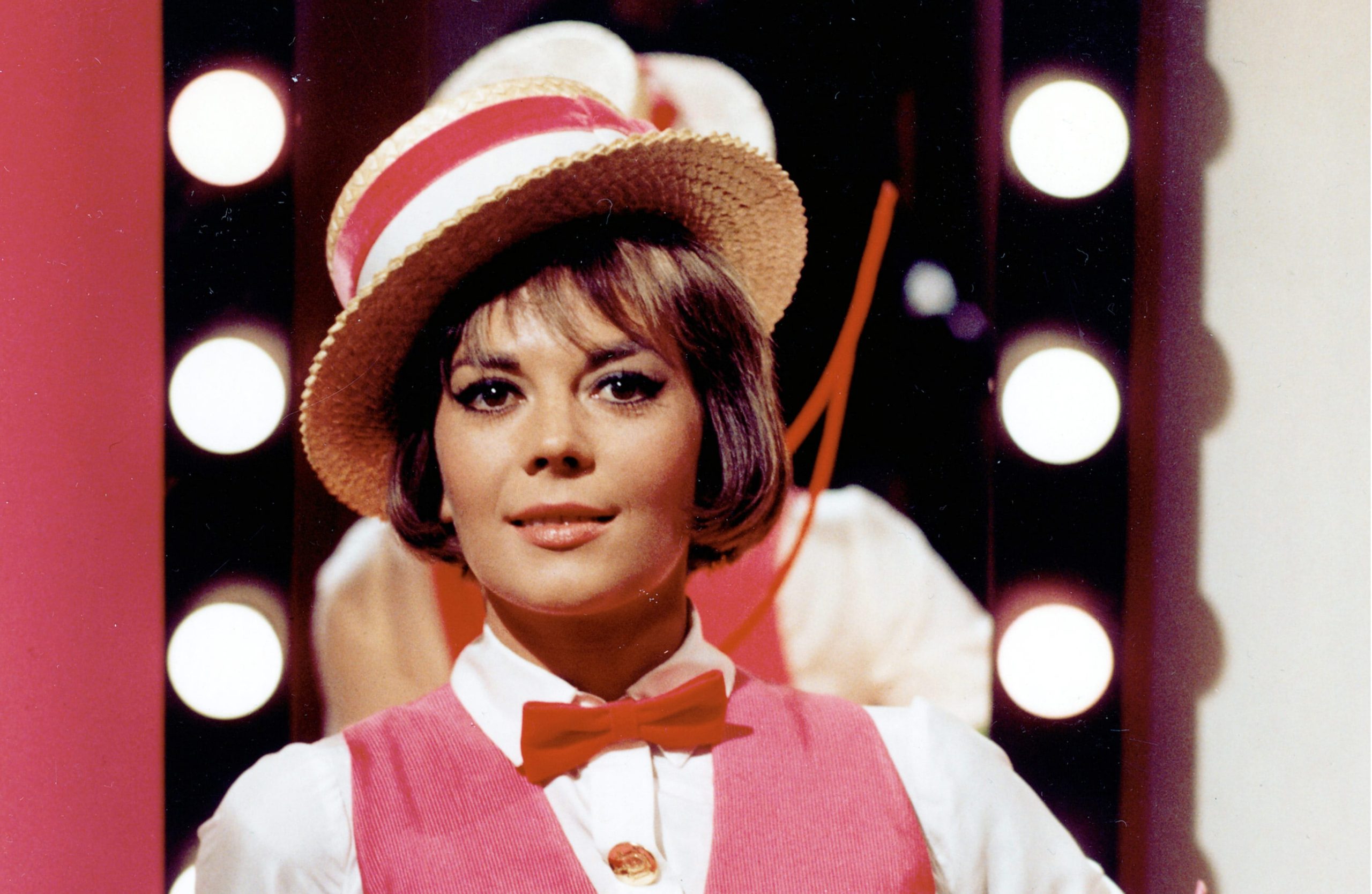
postphx.com – “Inside Daisy Clover,” directed by Robert Mulligan and starring Natalie Wood, Robert Redford, and Christopher Plummer, offers a compelling look at the darker side of Hollywood’s golden age. This 1965 film delves into the personal and professional struggles of a young starlet caught in the whirlwind of fame and the entertainment industry’s demands. Here’s an exploration of the film’s themes, performances, and its reflection on Hollywood.
The Rise and Fall of a Young Star
“Inside Daisy Clover” tells the story of Daisy Clover, a 15-year-old tomboy living in a trailer park who dreams of becoming a Hollywood star. Her life takes a dramatic turn when she is discovered by a powerful movie producer, Raymond Swan, played by Christopher Plummer. As Daisy rises to stardom, she finds herself entangled in the complexities of fame, dealing with personal turmoil, and navigating the manipulative world of Hollywood.
Natalie Wood’s Captivating Performance
Natalie Wood delivers a powerful performance as Daisy Clover, capturing the innocence and vulnerability of a young girl thrust into the spotlight. Wood’s portrayal highlights Daisy’s transformation from a hopeful dreamer to a disillusioned star, showcasing her range as an actress. Her ability to convey the emotional depth of her character adds a layer of authenticity to the film, making Daisy’s journey both relatable and poignant.
Robert Redford and the Supporting Cast
Robert Redford stars as Wade Lewis, a charismatic but troubled actor who becomes romantically involved with Daisy. His performance adds complexity to the narrative, as Wade’s charm masks deeper issues that affect his relationships. Christopher Plummer’s portrayal of the controlling producer Raymond Swan further enriches the story, illustrating the power dynamics within the film industry. The supporting cast, including Ruth Gordon as Daisy’s eccentric mother, contributes to the film’s exploration of personal and professional conflicts.
Themes of Fame and Exploitation
At its core, “Inside Daisy Clover” explores the theme of exploitation in the pursuit of fame. The film critiques the Hollywood system, revealing the pressures and sacrifices demanded of young stars. Daisy’s journey highlights the loss of personal identity and the emotional toll of maintaining a public image. The film’s narrative serves as a commentary on the often harsh realities behind the glamour of Hollywood, resonating with audiences who seek to understand the industry’s impact on individuals.
A Reflective Piece on Hollywood
“Inside Daisy Clover” offers a reflective and sometimes critical view of Hollywood during its golden age. Its portrayal of the entertainment industry’s inner workings provides insight into the struggles faced by those who seek fame and success. While the film is set in the 1930s, its themes remain relevant, offering a timeless perspective on the challenges of navigating the world of show business.
In conclusion, “Inside Daisy Clover” is a thought-provoking film that delves into the complexities of stardom and the personal sacrifices made in the name of fame. With standout performances and a compelling narrative, it remains a poignant exploration of the darker side of Hollywood.