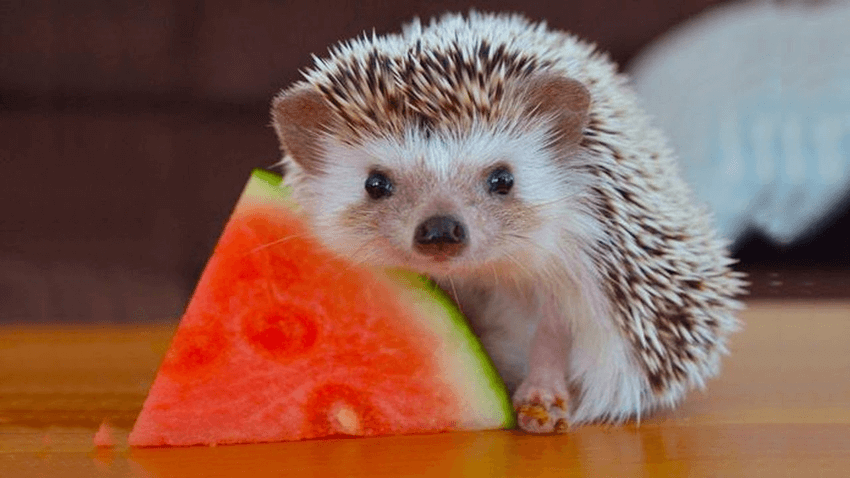
postphx.com – Hedgehogs are unique, insectivorous mammals that require a specialized diet to stay healthy and active. Proper nutrition is key to their overall well-being, helping them maintain a healthy weight, support good digestion, and keep their immune system strong. In this article, we will explore everything you need to know about feeding your pet hedgehog, from their dietary needs to the best foods and treats.
1. Understanding Hedgehog Nutrition
Hedgehogs are insectivores, meaning their natural diet primarily consists of insects and other small invertebrates. However, as pets, they can also eat a variety of other foods to ensure they receive balanced nutrition. The key components of a hedgehog’s diet are:
- Protein: Hedgehogs need a diet high in animal-based protein, which supports muscle and tissue growth.
- Fat: They require moderate fat intake to provide energy, but too much fat can lead to obesity.
- Fiber: Some fiber is needed to support digestion, though hedgehogs primarily digest animal proteins.
- Low carbohydrates: Avoid high-carb foods like grains, as hedgehogs don’t process carbohydrates well.
Providing a diet that mimics their natural feeding habits is essential for their health and well-being.
2. Commercial Hedgehog Food: What to Look For
Commercial hedgehog food is widely available and designed to meet their nutritional needs. Look for high-quality hedgehog food that is rich in protein and low in fat. When choosing a commercial hedgehog food, check for the following:
- Protein content: The food should contain at least 30-35% animal-based protein.
- Fat content: The fat content should be around 10-15%, which is sufficient for energy without causing weight gain.
- No fillers: Avoid foods with unnecessary fillers like corn, wheat, or soy, which are not easily digestible by hedgehogs.
Some hedgehog owners also choose high-quality cat food as an alternative, as it can provide similar nutritional benefits. If you choose cat food, ensure that it is grain-free, rich in protein, and low in fat.
3. Insects: A Natural and Essential Part of Their Diet
Insects are a natural part of a hedgehog’s diet, providing both protein and fat. Live or dried insects are often used as a food source or a treat. Safe insects for hedgehogs include:
- Mealworms: A favorite among hedgehogs, but should be fed in moderation due to their fat content.
- Crickets: A great source of protein and a fun way to provide mental stimulation.
- Dubia roaches: High in protein and easier to digest.
- Waxworms: These are very fatty and should only be given occasionally as a treat.
Insects should be gut-loaded (fed a nutritious diet) before feeding to your hedgehog, ensuring they provide maximum nutritional value. You can offer insects a few times per week, but they should not make up the bulk of your hedgehog’s diet.
4. Fruits and Vegetables: A Supplemental Addition
While hedgehogs are primarily insectivores, small amounts of fruits and vegetables can be included in their diet as a supplement. Offer these in moderation, as too much can lead to digestive issues. Some safe fruits and vegetables include:
- Fruits: Apples, blueberries, bananas, and strawberries (in small quantities due to sugar content)
- Vegetables: Peas, carrots, green beans, and cucumbers (in small amounts)
Always introduce new fruits and vegetables gradually to prevent digestive upset, and avoid overfeeding them, as they should only make up a small part of your hedgehog’s diet.
5. Treats for Hedgehogs: What’s Safe and What to Avoid
Hedgehogs enjoy the occasional treat, but treats should be given sparingly to avoid weight gain or an unbalanced diet. Some healthy treat options include:
- Cooked, unseasoned meats: Small pieces of chicken, turkey, or lean beef.
- Hard-boiled eggs: A great source of protein, but only offer occasionally.
- Cottage cheese: In small amounts, it can be a tasty treat, but hedgehogs can be lactose intolerant, so observe for any digestive issues.
Avoid giving your hedgehog sugary, processed, or high-fat treats, as well as:
- Nuts and seeds: These can be choking hazards and are high in fat.
- Chocolate or candy: Toxic to hedgehogs.
- Dairy products: Hedgehogs are lactose intolerant and can suffer from digestive upset after consuming dairy.
- Raw meat: It can carry bacteria that are harmful to hedgehogs.
6. Hydration: Fresh Water at All Times
Hedgehogs need constant access to fresh, clean water to stay hydrated. Use a shallow dish or a water bottle with a sipper tube, ensuring it is always clean and full. Hedgehogs should never be given sugary drinks, milk, or any liquids other than water.
7. Feeding Schedule and Portion Control
Hedgehogs are nocturnal, so they are most active and likely to eat during the evening or night. Here’s a typical feeding schedule:
- Dry food: Provide 1-2 tablespoons of commercial hedgehog food or high-quality cat food daily.
- Insects and treats: Offer small amounts of insects or treats a few times per week.
Monitor your hedgehog’s weight and adjust portion sizes if they seem to be gaining too much weight or losing it. Overfeeding, especially fatty foods or treats, can lead to obesity and health problems.
8. Foods to Avoid
Certain foods are dangerous for hedgehogs and should be avoided completely. These include:
- Grapes and raisins: Toxic to hedgehogs.
- Onions, garlic, and chives: Harmful to their health.
- Avocado: Toxic to hedgehogs.
- Citrus fruits: Can cause stomach upset.
- Raw meat or fish: Carries a risk of bacterial contamination.
Feeding your hedgehog inappropriate foods can lead to serious health problems, so stick to a balanced, hedgehog-friendly diet.
9. Conclusion
A well-balanced diet is key to keeping your hedgehog healthy and happy. Providing high-quality commercial food, a variety of insects, and occasional fruits, vegetables, and treats will ensure that your hedgehog gets the nutrition they need. Always ensure fresh water is available, avoid harmful foods, and monitor portion sizes to prevent obesity. With proper care and nutrition, your hedgehog will thrive and enjoy a long, healthy life.