The Diverse Culture of Houston: From Rodeo to Rockets

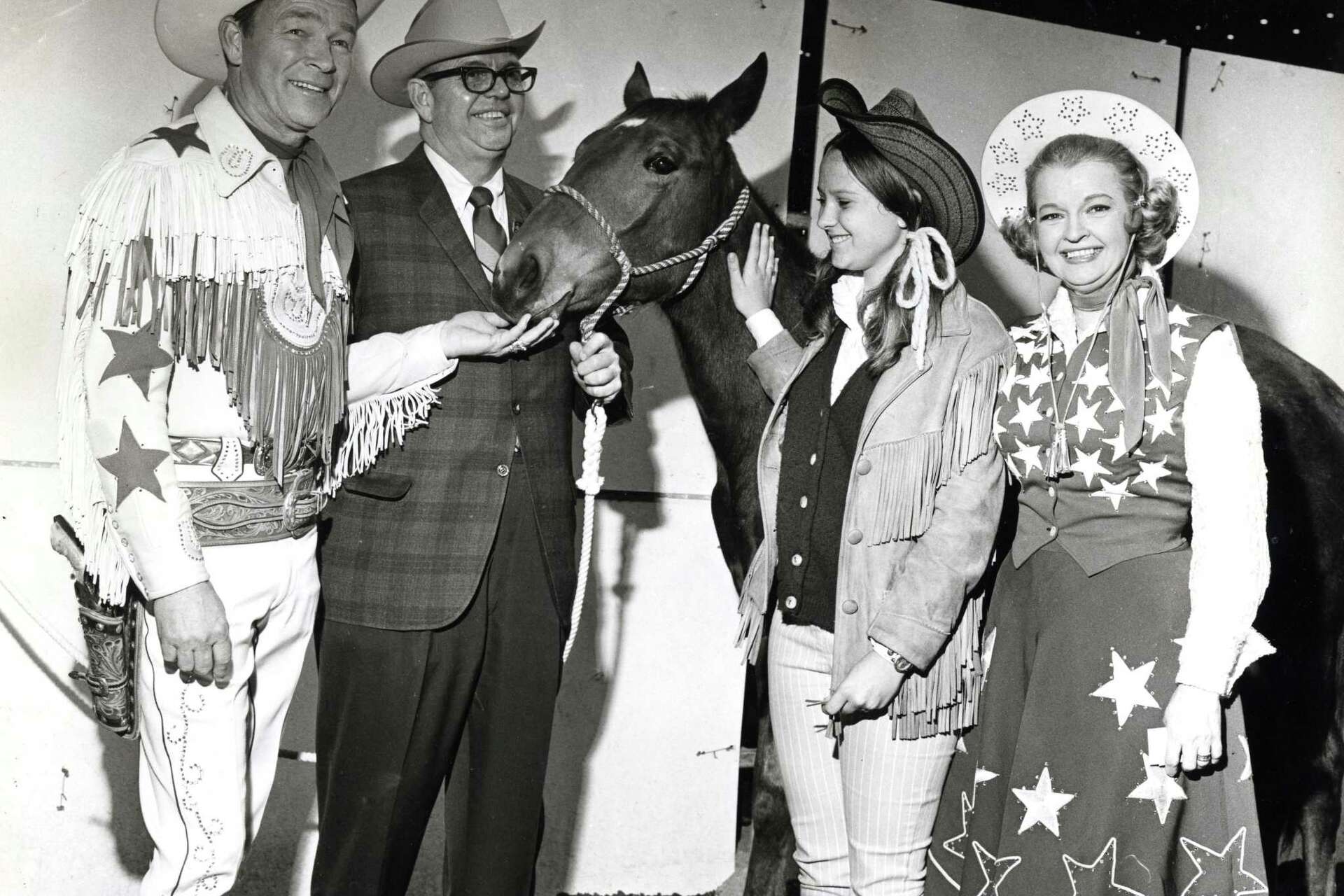
postphx.com – Houston, the largest city in Texas, is a vibrant melting pot of cultures and industries that make it unique in the United States. Known for its world-famous Houston Livestock Show and Rodeo and its pivotal role in space exploration, Houston offers a diverse cultural landscape that reflects its rich history and dynamic future.

The Rodeo: A Cultural Staple

The Houston Livestock Show and Rodeo is one of the most significant events in the city, drawing millions of visitors each year. Established in 1931, it has grown to become a cornerstone of Houston’s identity. While traditionally associated with cowboy culture, the Rodeo has evolved to celebrate Houston’s diversity through various events and performances. Special days are dedicated to different cultural groups, such as Black Heritage Day and Go Tejano Day, showcasing the multicultural fabric of the city.

A Hub of Space Exploration

Beyond its cowboy roots, Houston is synonymous with space exploration. Home to NASA’s Johnson Space Center, Houston has been at the forefront of human spaceflight since the 1960s. The city’s nickname, “Space City,” reflects its ongoing commitment to aerospace innovation. The space center not only contributes to scientific advancement but also enhances Houston’s cultural landscape with educational programs and public exhibits.

Culinary Diversity

Houston’s diversity is also evident in its culinary scene, which offers a rich array of flavors from around the globe. From traditional Tex-Mex and barbecue to Vietnamese pho and Nigerian jollof rice, the city’s restaurants reflect its multicultural population. This culinary variety is a testament to the city’s role as a welcoming home for immigrants from all over the world.

Arts and Education

The city is a cultural powerhouse with a thriving arts scene. The Houston Museum District is home to world-class institutions such as the Museum of Fine Arts, the Houston Museum of Natural Science, and the Contemporary Arts Museum. Furthermore, the city’s diverse educational institutions contribute to its cultural richness, attracting students from around the globe.

Conclusion

Houston’s culture is a unique blend of traditional Texan roots and a forward-looking vision. From its iconic rodeo to its contributions to space exploration, the city’s diverse cultural offerings create a vibrant and inclusive environment. Whether you’re here for the food, the arts, or the science, Houston’s varied culture ensures there’s something for everyone to enjoy.
Tanzania: A Diverse Nation with Deep Poverty Issues

postphx.com – Tanzania, officially known as the United Republic of Tanzania, is a country located in East Africa, bordered by Kenya and Uganda to the north, Rwanda, Burundi, and the Democratic Republic of the Congo to the west, and Zambia, Malawi, and Mozambique to the south. The country is renowned for its vast wilderness areas, including the Serengeti National Park, a globally famous wildlife preserve, and Mount Kilimanjaro, Africa’s highest peak. Despite its natural beauty and rich cultural heritage, Tanzania faces significant challenges, particularly in the realm of poverty.

The Landscape of Poverty in Tanzania

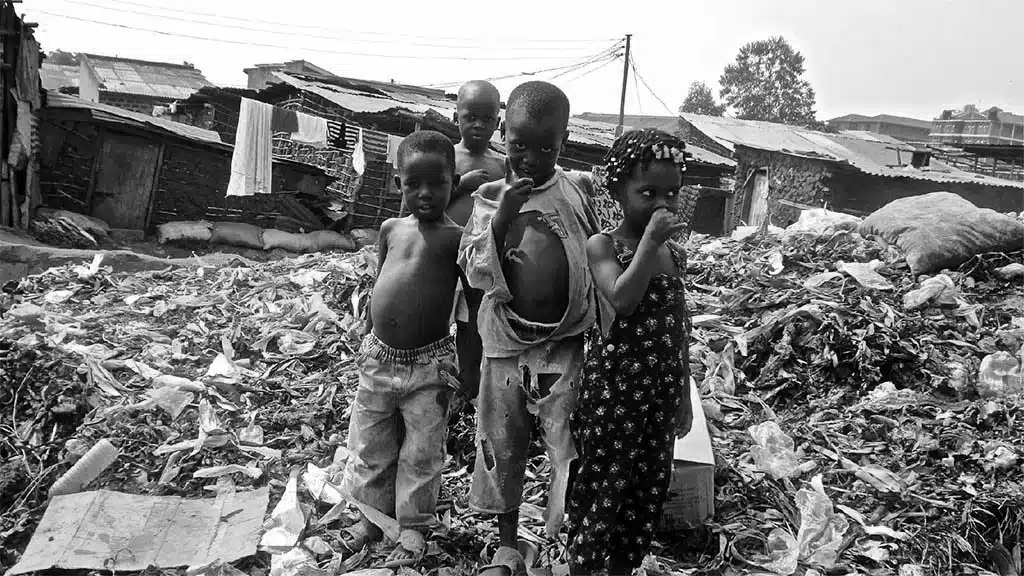
Poverty in Tanzania is a multifaceted issue that affects a large portion of the population. According to recent statistics, a significant percentage of Tanzanians live below the national poverty line, with rural areas being disproportionately affected. The poverty situation is exacerbated by factors such as limited access to quality education, healthcare, and economic opportunities.

Economic Challenges

The Tanzanian economy is largely based on agriculture, which employs the majority of the workforce and contributes significantly to the country’s GDP. However, the sector is characterized by low productivity, largely due to the use of traditional farming methods and limited access to modern agricultural technologies. This has hindered the country’s ability to achieve food security and improve the livelihoods of its rural population.

Social Inequalities

Social inequalities further compound the poverty situation in Tanzania. There are disparities in access to essential services such as education and healthcare, with children from poor families and those living in rural areas being the most disadvantaged. These disparities perpetuate a cycle of poverty, making it difficult for affected individuals to break free from its grip.

Government Initiatives and International Support

The Tanzanian government has implemented various initiatives aimed at alleviating poverty. These include programs focused on improving agricultural productivity, expanding access to education and healthcare, and promoting economic diversification. Additionally, Tanzania has received support from international organizations and donor countries, which has been instrumental in funding development projects and providing humanitarian aid.

The Path Forward

Addressing the deep-rooted poverty issues in Tanzania requires a comprehensive approach that involves both the government and the international community. Investments in education and healthcare are crucial for empowering individuals and communities to lift themselves out of poverty. Moreover, promoting economic diversification and supporting small-scale farmers with modern agricultural technologies can enhance food security and create sustainable livelihoods.

In conclusion, while Tanzania is a nation of great beauty and potential, the challenges of poverty are significant and require concerted efforts to overcome. By focusing on education, healthcare, and economic empowerment, Tanzania can pave the way for a brighter future for all its citizens.