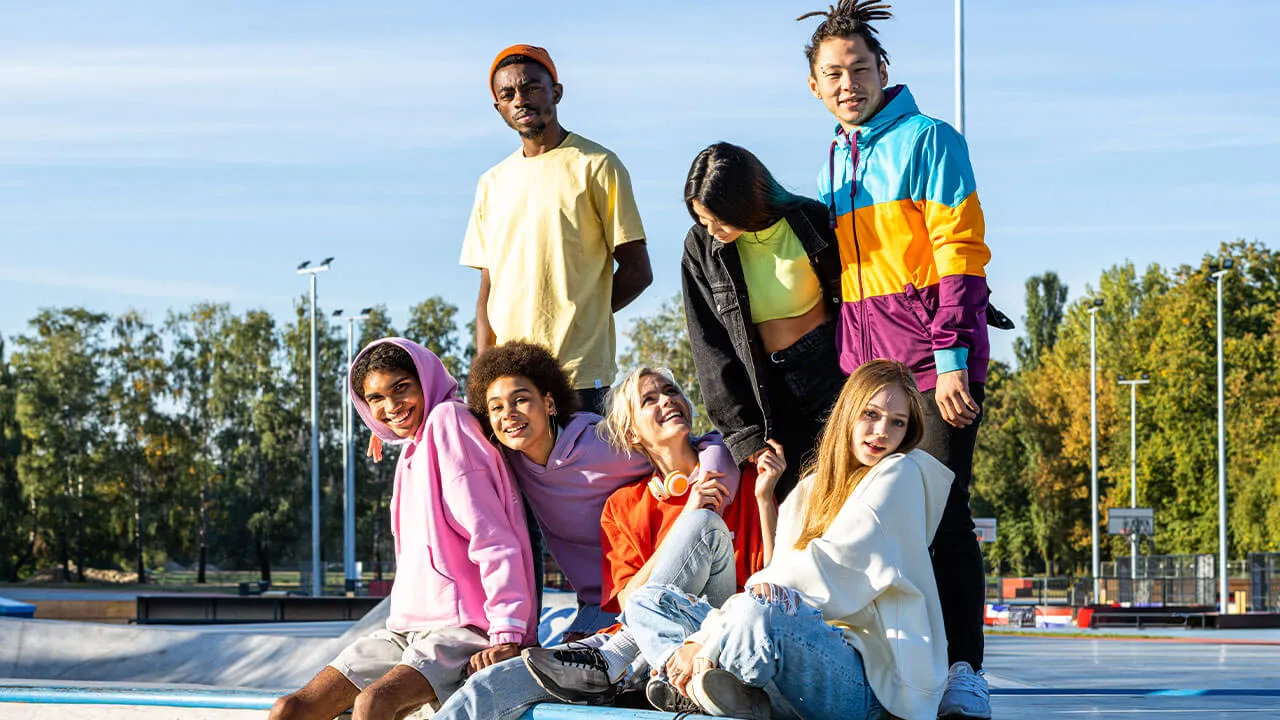
Gen Z’s Impact on Fashion: From Trends to Sustainability

postphx.com – As the world continues to evolve, each generation brings its unique influence to various industries. Generation Z, born roughly between 1997 and 2012, is no exception. This tech-savvy, socially conscious cohort is reshaping the fashion industry in remarkable ways, driving trends and advocating for sustainability like never before.

Redefining Fashion Trends

Gen Z is known for its boldness in expressing individuality through fashion. Unlike previous generations that followed set trends, Gen Z is all about personal style. They mix and match vintage with modern, designer with thrift, and prioritize comfort and authenticity over conventional beauty standards. Social media platforms like TikTok and Instagram have become key arenas where these trends are born and disseminated rapidly, with influencers and everyday users alike sharing their unique looks.

The Rise of Digital Fashion

In an era dominated by digital experiences, Gen Z is pioneering the rise of digital fashion. Virtual clothing, augmented reality (AR) dressing rooms, and digital fashion shows are becoming mainstream. These innovations not only cater to a generation familiar with digital technology but also present a sustainable alternative to traditional fashion, reducing the need for physical production and minimizing waste.

Championing Sustainability

Sustainability is at the forefront of Gen Z’s fashion priorities. Growing up in a world facing significant environmental challenges, this generation is acutely aware of the impact of fast fashion on the planet. As a result, they demand more from brands, pushing for transparency, ethical sourcing, and sustainable practices. Thrift shopping, clothing swaps, and upcycling have gained immense popularity as Gen Z seeks to reduce waste and promote a circular fashion economy.

The Influence of Social Movements

Gen Z is deeply engaged with social and environmental issues, and this is reflected in their fashion choices. They support brands that align with their values, such as inclusivity, diversity, and sustainability. This generation’s commitment to social justice has led to increased demand for gender-neutral clothing, adaptive fashion for people with disabilities, and representation of diverse body types in advertising and media.

The Role of Technology

Technology plays a crucial role in Gen Z’s fashion impact. From online shopping to virtual influencers, technology is seamlessly integrated into their shopping habits. Fashion technology startups are booming, offering solutions like AI-driven personalization, blockchain for supply chain transparency, and virtual fitting rooms, making fashion more accessible and sustainable.

Conclusion

Gen Z’s impact on fashion is profound and multifaceted. By prioritizing authenticity, leveraging technology, and advocating for sustainability, they are challenging traditional norms and reshaping the industry. As this generation continues to grow and influence the market, the fashion world will likely see even more innovative and sustainable practices emerge, paving the way for a more conscious and inclusive future.
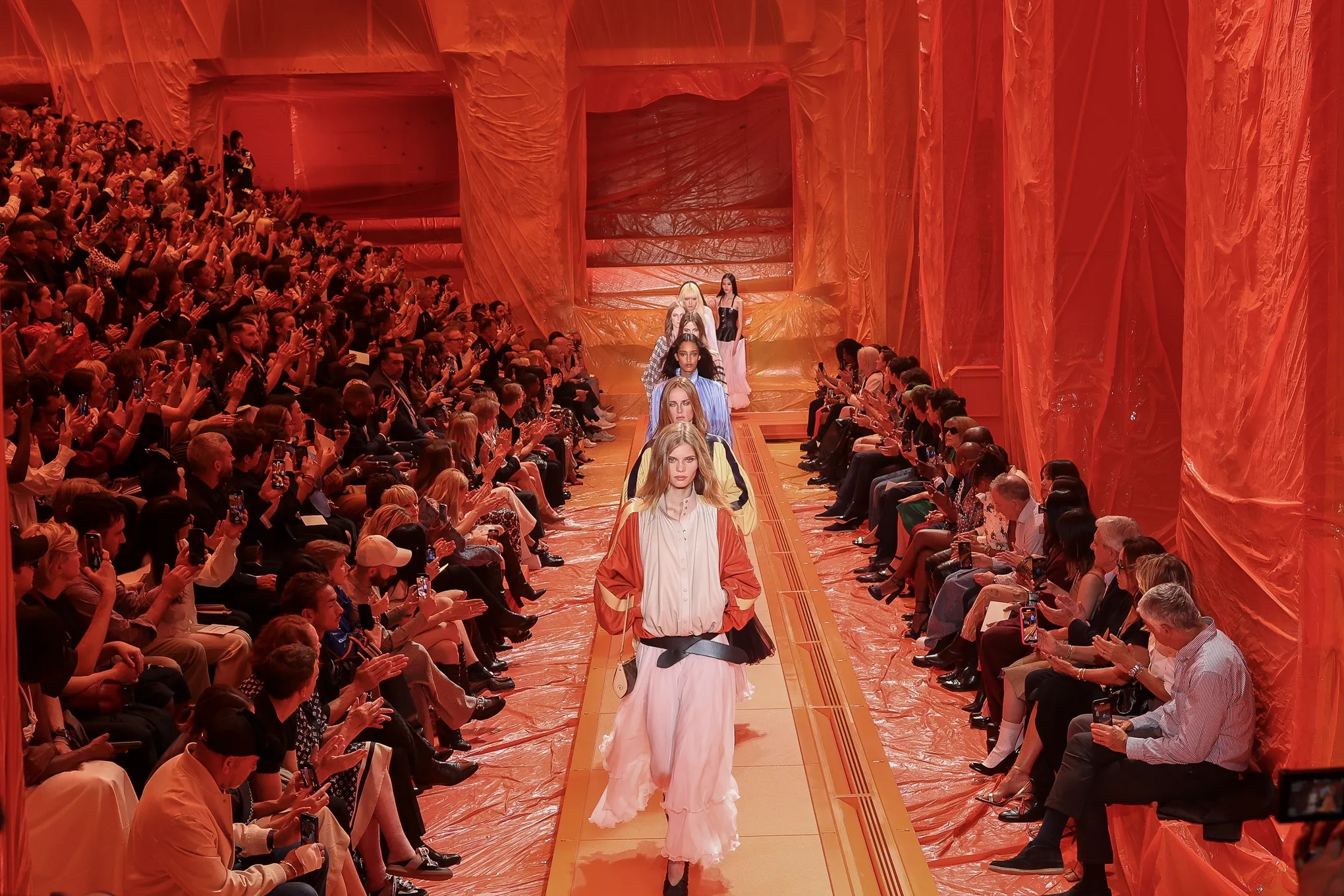
The Art of the Fashion Show: Sartorial Spectacle

postphx.com – In the world of fashion, the art of the fashion show has evolved from a mere presentation of garments into a sartorial spectacle that captivates audiences worldwide. These events are not just about the clothes; they are about the experience, the storytelling, and the theatricality that surrounds the latest creations from the world’s most renowned designers. The fashion show has become a platform for artistic expression, where designers can showcase their vision, creativity, and craftsmanship.

The Evolution of Fashion Shows

The concept of the fashion show dates back to the late 19th century, but it was in the 20th century that it became a significant cultural phenomenon. Initially, fashion shows were private events held in salons or showrooms, where designers presented their collections to a select audience of clients and buyers. However, as fashion became more accessible and media coverage expanded, fashion shows grew in scale and spectacle.

Today, fashion weeks in cities like Paris, Milan, New York, and London are the epicenters of the fashion show spectacle. These events are covered extensively by the media and are watched by millions around the globe through various platforms.

The Elements of a Fashion Show

A fashion show is a carefully orchestrated event that involves numerous elements, all working together to create a cohesive and impactful presentation.

The Venue

The choice of venue is crucial as it sets the tone for the entire show. Designers often select unique and unexpected locations to enhance the narrative of their collection. From grand historical buildings to industrial warehouses, the venue is an essential part of the show’s atmosphere.

The Theme and Concept

Each fashion show is built around a theme or concept that reflects the designer’s inspiration and the essence of the collection. This theme is woven into every aspect of the show, from the set design to the music and the models’ styling.

The Set Design

The set design is a critical component of the fashion show. It can range from simple runways to elaborate installations that immerse the audience in the designer’s world. The set is often a work of art in itself, designed to complement and elevate the collection.

The Music and Lighting

Music and lighting play a significant role in setting the mood and pace of the show. The right soundtrack can evoke emotions and enhance the overall experience, while lighting can highlight the details of the garments and create a dramatic atmosphere.

The Models

Models are the living canvases for the designer’s work. They bring the garments to life, showcasing them in motion and providing a human element to the show. The casting of models is strategic, with designers often selecting individuals whose personas align with the collection’s theme.

The Collection

At the heart of every fashion show is the collection itself. The garments are the culmination of months of design, fabric selection, and meticulous craftsmanship. The presentation order is carefully planned to build up to the finale, often leaving the audience with a lasting impression.

The Impact of Fashion Shows

Fashion shows are more than just a display of clothing; they are cultural events that influence trends, shape perceptions, and inspire creativity. They have the power to make a statement, challenge norms, and provoke thought. The art of the fashion show is a testament to the intersection of fashion, art, and entertainment, creating a spectacle that resonates far beyond the runway.

As fashion continues to evolve, so too will the art of the fashion show. Designers will continue to push boundaries, experiment with new formats, and leverage technology to create even more immersive and engaging experiences. The fashion show remains a vital and dynamic part of the fashion industry, a sartorial spectacle that captivates the world.

H&M: The Swedish Giant of Affordable Fashion

postphx.com – In the ever-evolving landscape of the fashion industry, one name has consistently stood out for its ability to blend style, affordability, and sustainability: H&M, the Swedish giant that has become a household name across the globe. With its roots dating back to 1947, H&M, or Hennes & Mauritz AB, has grown from a single women’s clothing store in Västerås, Sweden, to a global retail behemoth with thousands of stores in over 70 markets, including online sales in 48 markets.

The Birth of a Fashion Empire

The story of H&M begins with Erling Persson, a Swedish businessman who opened the first Hennes store, which means “hers” in Swedish, selling women’s clothing. It wasn’t until 1968 that Persson acquired Mauritz Widforss, a hunting and fishing equipment store, leading to the creation of Hennes & Mauritz. The name was later simplified to H&M, but the brand’s commitment to offering fashionable clothing at affordable prices remained unchanged.

The Rise of Fast Fashion

H&M is often credited as one of the pioneers of fast fashion, a business model that allows fashion brands to quickly design, manufacture, and market new clothing collections in response to the latest trends. This approach has enabled H&M to cater to a wide range of customers looking for the latest styles without breaking the bank. The brand’s ability to produce and distribute fashion at such a rapid pace has been a significant factor in its global success.

Sustainability and Corporate Responsibility

In recent years, H&M has faced scrutiny, like many fast fashion brands, for its environmental impact and labor practices. In response, the company has made strides to become more sustainable, setting ambitious goals to use only sustainable or recycled materials by 2030. H&M has also launched several initiatives, such as its Conscious Collection, which features clothing made from more sustainable materials, and its Garment Collecting program, which encourages customers to recycle their old clothing.

Innovation and Expansion

H&M’s success can also be attributed to its innovative approach to retail. The brand has embraced digital technology, offering online shopping, virtual fitting rooms, and mobile apps to enhance the customer experience. Additionally, H&M has expanded its brand portfolio to include a variety of fashion lines catering to different demographics, such as COS for modern essentials, & Other Stories for fashion-forward women, and ARKET for conscious living.

The Global Reach

Today, H&M’s global presence is a testament to its enduring appeal. The brand has stores in some of the world’s most prestigious shopping districts and continues to expand into new markets. H&M’s ability to adapt to local tastes while maintaining its brand identity has been key to its international success.

Challenges and the Future

Despite its achievements, H&M faces challenges, including increasing competition from other fast fashion brands and the growing demand for sustainable fashion. The brand must navigate these challenges while staying true to its mission of making fashion accessible to everyone.

As H&M looks to the future, it is clear that the Swedish giant will continue to evolve, embracing new technologies, fostering sustainability, and responding to the changing needs and desires of its customers around the world. With its rich history, innovative spirit, and commitment to fashion for all, H&M remains a formidable force in the global fashion industry.